
 EN
EN
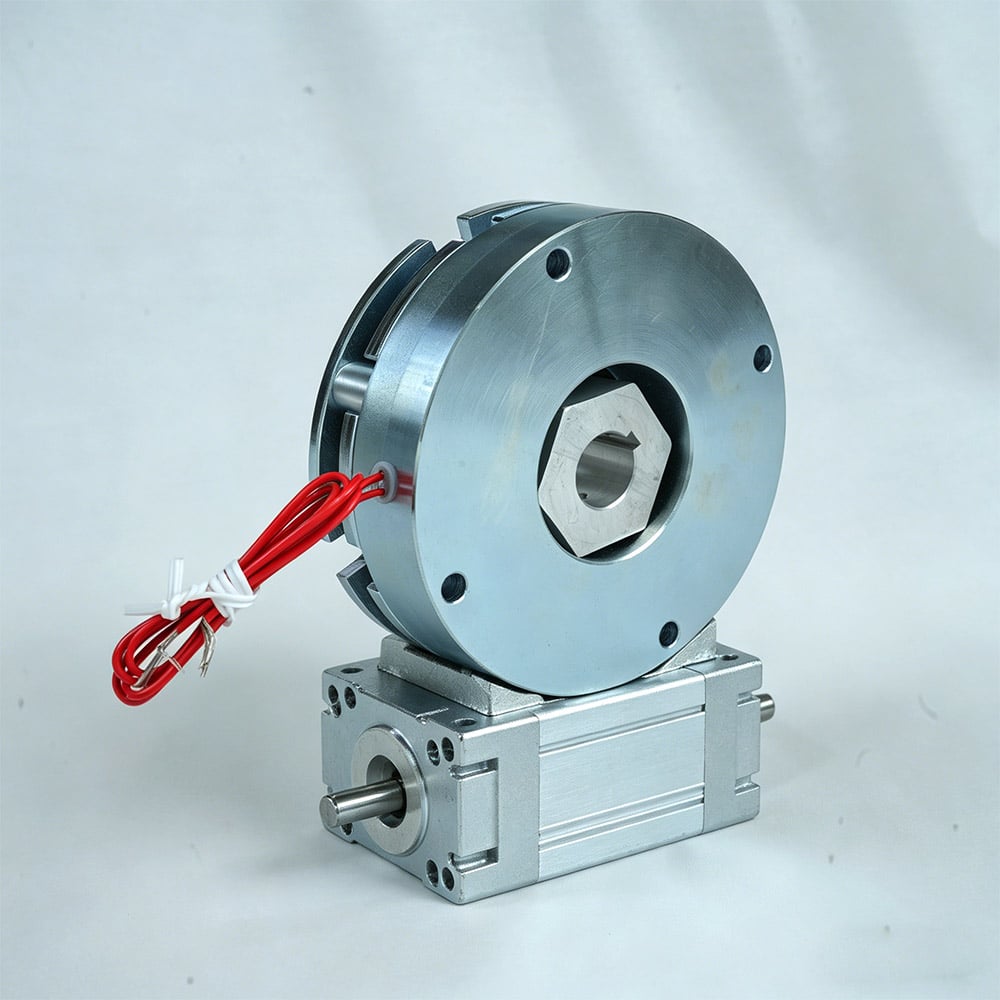
Understanding the response time characteristics of a power off brake is critical for engineers designing safety-critical systems in industrial automation, material handling, and transportation applications. The speed at which a power off brake engages after power loss directly affects system reliability, operator safety, and equipment protection. Response time analysis reveals how electromagnetic and permanent magnet designs perform under real-world conditions, helping decision-makers select appropriate braking solutions for their specific operational requirements.

A power off brake operates on a fundamental principle: when electrical power is removed, spring force or permanent magnet force automatically engages the brake, bringing rotation to a halt without operator intervention. This fail-safe behavior makes the power off brake indispensable in applications where unexpected motion could cause injury or damage. However, the time interval between power loss and full brake engagement—measured in milliseconds—determines whether the system meets safety standards and application performance thresholds.
Response Time Mechanics of Power Off Brakes
How Power Off Brake Response Works
The response time of a power off brake begins the moment electrical power is interrupted. In spring-applied designs, stored spring energy immediately pushes friction material against the rotor. In permanent magnet configurations, the magnetic force that was holding the brake in its open position is lost, allowing springs or mechanical linkages to engage the brake surfaces. The power off brake response depends on the release mechanism design, spring stiffness, inertial mass being stopped, and friction material characteristics. Each component contributes milliseconds to the total engagement cycle.
Measuring power off brake response time requires precision instrumentation. Engineers typically use high-speed sensors to detect the moment power loss occurs and accelerometers or rotational velocity sensors to measure when braking force becomes effective. The power off brake response time is measured from power cutoff to the point where torque capacity reaches ninety percent of its rated value. This threshold ensures that the measurement reflects actual braking performance rather than initial marginal contact, making it actionable for system design calculations.
Factors Affecting Power Off Brake Response Speed
The power off brake response time is influenced by multiple design and operational variables. Spring preload directly affects engagement speed; higher preload enables faster power off brake response but requires more force to hold the brake open. Permanent magnet strength in designs using magnetic holding force impacts how quickly the power off brake can transition from holding mode to full braking engagement. Friction material composition, operating temperature, and rotor surface condition all shift power off brake response characteristics, sometimes by tens of milliseconds.
Rotational inertia of the load being stopped represents a critical external factor in power off brake response analysis. A power off brake designed for a specific inertial mass may exhibit different effective response times when applied to heavier or lighter loads. Environmental conditions such as dust accumulation, moisture, and temperature extremes can degrade the power off brake response performance over time. System designers must account for these variables during the selection process to ensure that the power off brake response time remains within acceptable limits throughout the equipment lifetime.
Power Off Brake Response Time Measurement Standards
Industry Testing Methods for Power Off Brakes
Standardized testing procedures for power off brake response time ensure consistent, comparable results across manufacturers. ISO and IEC standards define how the power off brake response measurement must be conducted, including power supply specifications, test load conditions, and data acquisition requirements. During a standard power off brake response test, power is interrupted from a stable operating state, and the response time is recorded as the interval from power loss detection to specified brake torque achievement. This methodology eliminates subjective interpretation and provides engineers with reliable data for system calculations.
Certified testing laboratories measure power off brake response time using calibrated load banks, rotational velocity sensors, and high-resolution data acquisition systems. The power off brake response is typically tested under multiple conditions: at minimum and maximum rated voltage, across operating temperature ranges, and with various load inertias. Multiple trials of power off brake response measurements are averaged to establish typical performance curves. These standardized approaches ensure that the power off brake response time specification provided by manufacturers accurately represents real-world behavior.
Documentation and Specification of Response Time
Manufacturers document power off brake response time in technical datasheets, typically expressing results in milliseconds or seconds depending on the brake size and type. The power off brake response specification includes nominal response time at rated conditions and tolerance ranges reflecting test variability. Many datasheets also provide power off brake response curves showing how response time varies across voltage, load, and temperature ranges. This detailed documentation allows engineers to verify that a candidate power off brake meets application requirements before selection.
Proper interpretation of power off brake response time specifications requires understanding the testing conditions under which measurements were performed. A power off brake response time measured under laboratory conditions may differ from field performance if operating parameters deviate from test assumptions. Engineers must compare application requirements to the specified power off brake response range and confirm that adequate safety margins exist. When critical safety depends on power off brake response characteristics, field validation testing is often warranted before full deployment.
Application Impact and Safety Implications
Safety Compliance and Response Time Requirements
Industrial safety standards specify maximum allowable response times for braking systems in many applications. Machinery safety directives and equipment classification standards often require that a power off brake response meet defined thresholds to prevent hazardous motion. The power off brake response time directly affects the stopping distance and final idle time following power loss, both critical parameters in safety assessments. Systems relying on power off brakes must demonstrate that response time compliance is maintained throughout equipment life and operating conditions.
In critical lifting and material handling applications, power off brake response time performance determines whether the system can safely arrest a suspended load without excessive drop distance. A power off brake with inadequate response characteristics may allow significant descent before engagement is complete, creating risk to personnel and cargo. Safety engineers select power off brake technologies specifically for their response time characteristics, ensuring that the power off brake response performance supports the required safety integrity level. This makes power off brake response time analysis a core component of hazard assessment.
Performance Optimization Across Operating Scenarios
System designers leverage power off brake response time data to optimize overall system performance in diverse scenarios. In variable-frequency drive systems, power off brake response time must be coordinated with drive ramp-down rates to ensure smooth, safe load management. The power off brake response behavior during emergency stops differs from normal shutdown conditions, requiring that response time analysis covers both scenarios. Equipment operating in extreme climates or harsh industrial environments must account for how power off brake response changes across temperature and contamination ranges.
Selecting a power off brake based on response time performance requires matching the brake's measured characteristics to the specific application profile. A power off brake with very fast response may consume excessive energy or generate high heat generation rates unsuitable for continuous-duty applications, while slower responding options may fail to meet safety requirements. The power off brake response time decision involves trade-offs between safety margins, operating costs, thermal management, and system reliability. Detailed analysis ensures that the selected power off brake response characteristics support both performance and safety objectives without unnecessary overdesign.
FAQ
What is considered a typical power off brake response time?
Typical power off brake response times range from 50 milliseconds to 500 milliseconds, depending on brake size, design type, and application class. Small electromagnetic power off brakes for control applications often respond in 50–150 milliseconds, while larger industrial power off brakes designed for heavy load handling may require 200–500 milliseconds. The specific power off brake response time appropriate for your application depends on safety requirements, load characteristics, and stopping distance tolerances. Always consult manufacturer datasheets to confirm that a candidate power off brake response meets your system requirements.
How does load inertia affect power off brake response performance?
Load inertia significantly influences how quickly a power off brake achieves its rated braking torque. Higher inertia loads require longer stopping time after engagement, which can appear to extend the effective power off brake response interval in total stopping calculations. However, the power off brake response time itself—measured from power loss to full engagement force—remains relatively constant regardless of load inertia. Engineers must distinguish between the power off brake response time and the total stopping time when evaluating application suitability. A power off brake with excellent response characteristics may still require adequate stopping distance when applied to very high-inertia loads.
Can power off brake response time change over equipment lifetime?
Yes, power off brake response time typically increases gradually over equipment lifetime due to friction material wear, spring relaxation, and accumulation of contaminants. Regular maintenance and condition monitoring help detect when a power off brake response time has degraded beyond acceptable limits. Many manufacturers recommend periodic inspection and replacement of friction pads to maintain original power off brake response characteristics. For safety-critical applications, establishing baseline response time measurements and performing periodic verification ensures that response performance remains compliant with specifications and safety requirements throughout the equipment service life.

