
 EN
EN
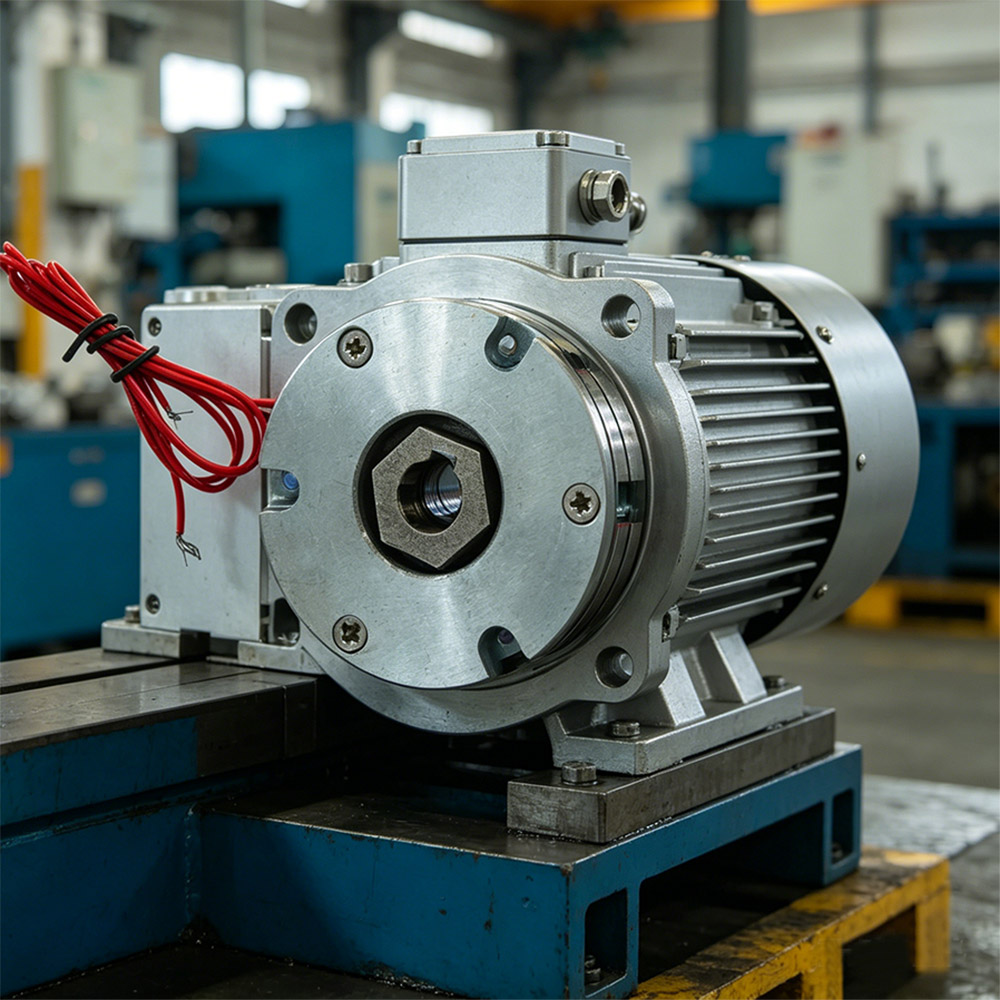
A power off brake represents one of the most critical safety components in modern servo motor systems. This specialized braking mechanism automatically engages when electrical power is lost or interrupted, preventing uncontrolled motion and potential equipment damage. In industrial automation, manufacturing environments, and precision positioning applications, a power off brake serves as a fail-safe system that protects both machinery and personnel by holding the motor shaft in a stationary position during power loss, emergency stops, or maintenance operations.
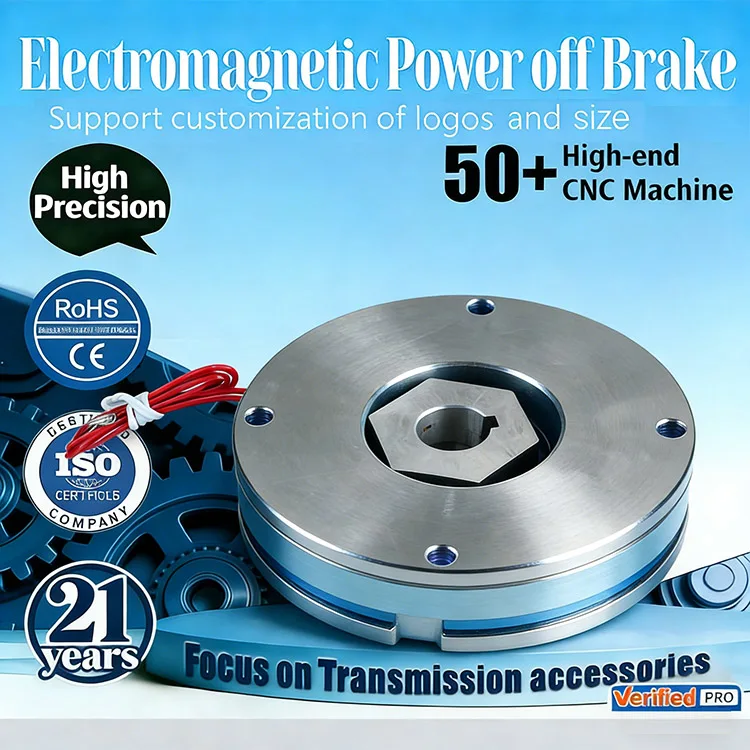
The implementation of a power off brake technology has become essential for industries requiring reliable motor control and safety compliance. Whether you operate conveyor systems, lifting equipment, robotic arms, or precision machinery, understanding how a power off brake functions and selecting the correct configuration directly impacts operational safety and system reliability. This guide explains the core principles, applications, and selection criteria for power off brake systems designed specifically for servo motor integration.
How Power Off Brake Technology Protects Servo Motors
The Operating Principle of Power Off Brakes
A power off brake operates through permanent magnet technology combined with electromagnetic engagement. When electrical power flows to the servo motor system, current energizes an electromagnet that pulls a brake armature plate away from the permanent magnet, disengaging the brake and allowing the motor to rotate freely. The moment power is interrupted or the system receives a stop command, the electromagnet loses its holding force and the permanent magnet immediately re-engages with the armature, creating a powerful mechanical lock. This instantaneous engagement ensures that a power off brake responds within milliseconds, providing immediate position holding without any delay or drift.
The permanent magnet design is what distinguishes a power off brake from conventional friction brakes. Permanent magnets require no continuous power supply to maintain holding force, meaning a power off brake remains engaged and effective even during complete electrical failure. This intrinsic safety feature makes a power off brake the preferred choice for critical applications where load holding cannot depend on active electronics or continuous electrical availability.
Safety Benefits in Industrial Applications
A power off brake eliminates catastrophic failure modes in servo motor systems. In vertical lift applications, a power off brake prevents load drop incidents by instantly locking the motor shaft position. For robotic arms and precision machinery, a power off brake ensures that tools, parts, or workpieces cannot shift unexpectedly during power loss, operator intervention, or emergency scenarios. The fail-safe nature of a power off brake means safety does not depend on monitoring systems, sensors, or active controls—the brake simply locks when power disappears.
Regulatory compliance in manufacturing also drives adoption of power off brake systems. Machine safety standards, industrial equipment directives, and occupational safety regulations increasingly mandate fail-safe braking in motor-driven systems. A power off brake demonstrates compliance with these standards by providing engineered protection that independent safety authorities recognize and validate. Organizations implementing a power off brake across their servo motor fleet reduce liability exposure and create documented safety infrastructure.
Selecting and Sizing the Right Power Off Brake for Your Servo Motor
Matching Torque and Motor Specifications
Correct sizing of a power off brake depends on matching the brake's holding torque to your servo motor's specifications and load requirements. A power off brake must generate holding torque that exceeds the maximum torque the motor can produce under full load conditions. Undersizing a power off brake creates a critical safety gap where the brake cannot adequately hold the motor shaft against load forces, defeating the purpose of the safety system. Oversizing a power off brake increases equipment cost and may introduce unnecessary holding force that complicates motor engagement and reduces system responsiveness.
When selecting a power off brake, technical specifications must include frame size compatibility with your servo motor. NEMA frame sizes, shaft diameter, mounting interfaces, and electrical connector standards all determine whether a power off brake will physically integrate with your existing equipment. A power off brake designed for NEMA 23 stepper motors will not fit NEMA 34 servo applications, for example. Verifying mechanical compatibility before purchase prevents costly installation delays and ensures a power off brake functions as intended within your automated system.
Electrical Specifications and Control Integration
The electrical specifications of a power off brake must match your control system voltage and current requirements. A power off brake typically operates at standard industrial voltages such as 24 volts DC, 48 volts DC, or higher depending on the application design. The brake coil resistance, current draw, and response time specifications must align with your motor controller and power supply capabilities. A power off brake requiring 5 amperes at 24 volts cannot function reliably on a control system designed to supply only 2 amperes, creating a system failure point.
Control logic for a power off brake must account for the brake's engagement sequence during power loss scenarios. Some systems implement a power off brake with a time-delay release mechanism that allows the motor to spin down gradually before full electromagnetic engagement, reducing mechanical shock. Other applications require immediate brake engagement regardless of motor speed, prioritizing instant position holding over smooth deceleration. Your process requirements determine which power off brake control strategy provides the optimal balance between safety, system lifespan, and operational performance.
Practical Applications and Industrial Benefits
Vertical Motion and Load Holding
Vertical lift systems represent one of the most demanding applications for a power off brake. Elevators, vertical conveyors, material handling systems, and aerial lift platforms all depend on a power off brake to prevent catastrophic load drop if motor power fails or disconnects. A power off brake in these systems must generate holding torque sufficient to support the maximum suspended load weight against gravity without slip or gradual descent. Industries including aerospace, automotive manufacturing, and warehouse automation rely on a power off brake as the primary safety mechanism preventing personnel injury and equipment destruction from unexpected descent.
The reliability of a power off brake in vertical applications justifies the additional equipment investment because the consequences of brake failure are life-threatening. Load drop incidents can cause death, severe injury, equipment damage, and facility shutdown. A power off brake converts the probability of catastrophic failure from a significant risk to a negligible one, making it an essential component rather than an optional upgrade.
Precision Positioning and Equipment Protection
Manufacturing equipment requiring precise position holding benefits significantly from a power off brake integrated with servo motors. Machine tools, automated assembly lines, test equipment, and measurement systems often require tools or workpieces to remain locked in position between operational cycles or during power loss. A power off brake ensures position stability that mechanical detents or friction alone cannot provide, maintaining tolerance and repeatability across production runs. For medical device manufacturing, aerospace component production, and semiconductor assembly, a power off brake integrated with servo motors delivers the reliability and consistency these industries demand.
The integration of a power off brake with servo motor technology also simplifies maintenance and troubleshooting. When equipment must be serviced, a power off brake holds the motor shaft stationary without requiring mechanical locking devices or manual holding fixtures, improving worker safety and reducing setup time. Technicians can confidently work on equipment knowing a power off brake provides positive position holding throughout the maintenance window.
FAQ
What happens to a power off brake when electrical power returns after an outage?
When electrical power is restored to your system, the servo motor controller energizes the power off brake electromagnet, which pulls the brake armature away from the permanent magnet and disengages the brake. The motor can then resume normal operation once the control system commands motion. A power off brake automatically resets without manual intervention, allowing systems to recover and restart after power loss without requiring technician assistance or specialized restart procedures. Some installations include a soft-start ramp to prevent sudden mechanical shock when the motor begins accelerating from rest.
How does a power off brake differ from a traditional friction brake?
A power off brake uses permanent magnet force combined with electromagnetics to hold position instantly upon power loss, while a traditional friction brake requires active power and pressure application to engage holding force. A power off brake fails safe—it locks automatically without electricity—whereas friction brakes must be energized to apply braking force. Additionally, a power off brake generates consistent holding torque independent of wear patterns, while friction brakes degrade over time as friction materials wear, reducing reliable holding capacity. A power off brake is therefore superior for safety-critical applications requiring decades of reliable fail-safe operation.
Can a power off brake be retrofitted onto existing servo motors?
Many servo motors accept a power off brake as a bolt-on accessory if the motor shaft and frame dimensions match the brake's specifications. NEMA-standard motors typically offer mounting compatibility with standard power off brake models, allowing retrofit installation without motor replacement. However, you must verify that your servo motor control system has adequate electrical capacity to power the brake electromagnet during operation. If retrofitting a power off brake to older equipment, consult the motor manufacturer and control system documentation to confirm compatibility before purchase and installation.

