
 EN
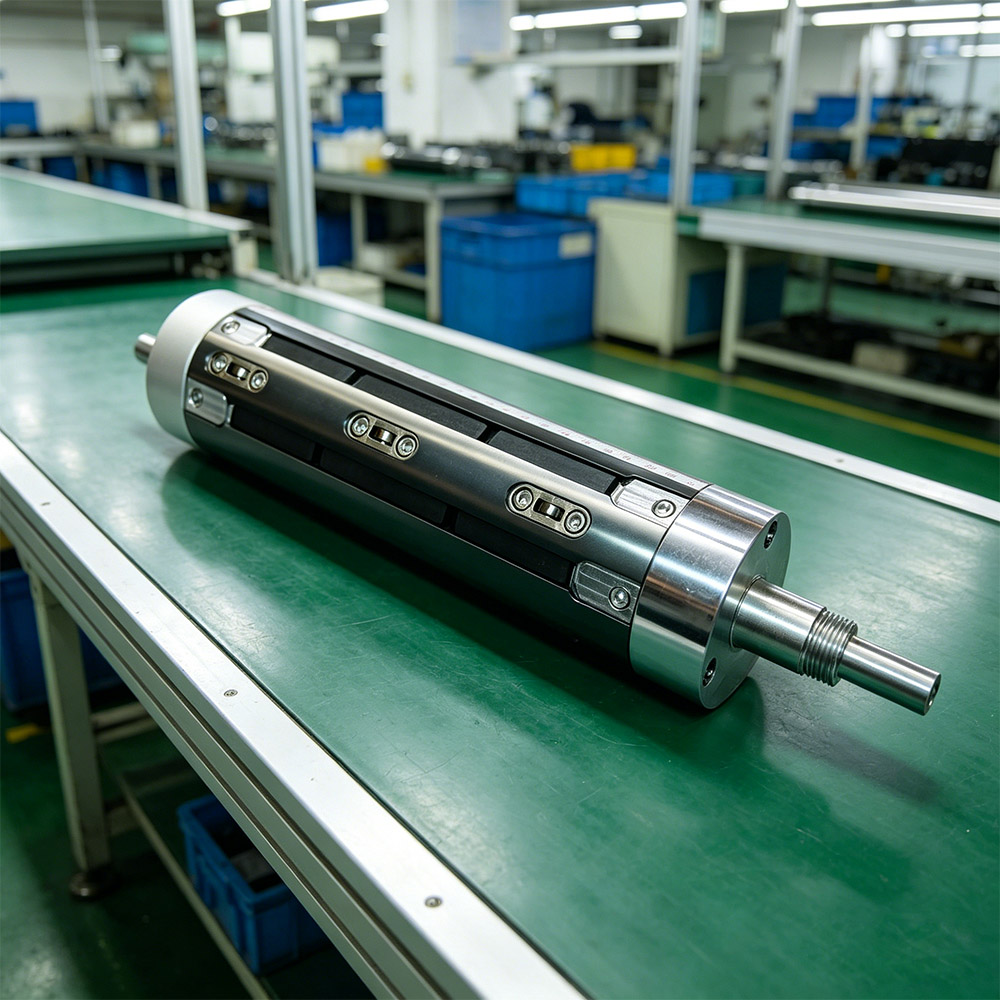
Core slippage represents one of the most costly operational failures in industrial machinery, particularly in textile, converting, and manufacturing environments where air shafts drive critical production processes. An air shaft serves as a precision component that holds and positions materials or components during operation, and when slippage occurs, the entire production line can experience downtime, material waste, and equipment damage. Understanding how to maintain your air shaft properly is essential for preventing this failure mode and protecting your operational efficiency. Regular air shaft maintenance not only extends equipment lifespan but also reduces emergency repairs, improves product quality, and maintains consistent throughput across your facility.
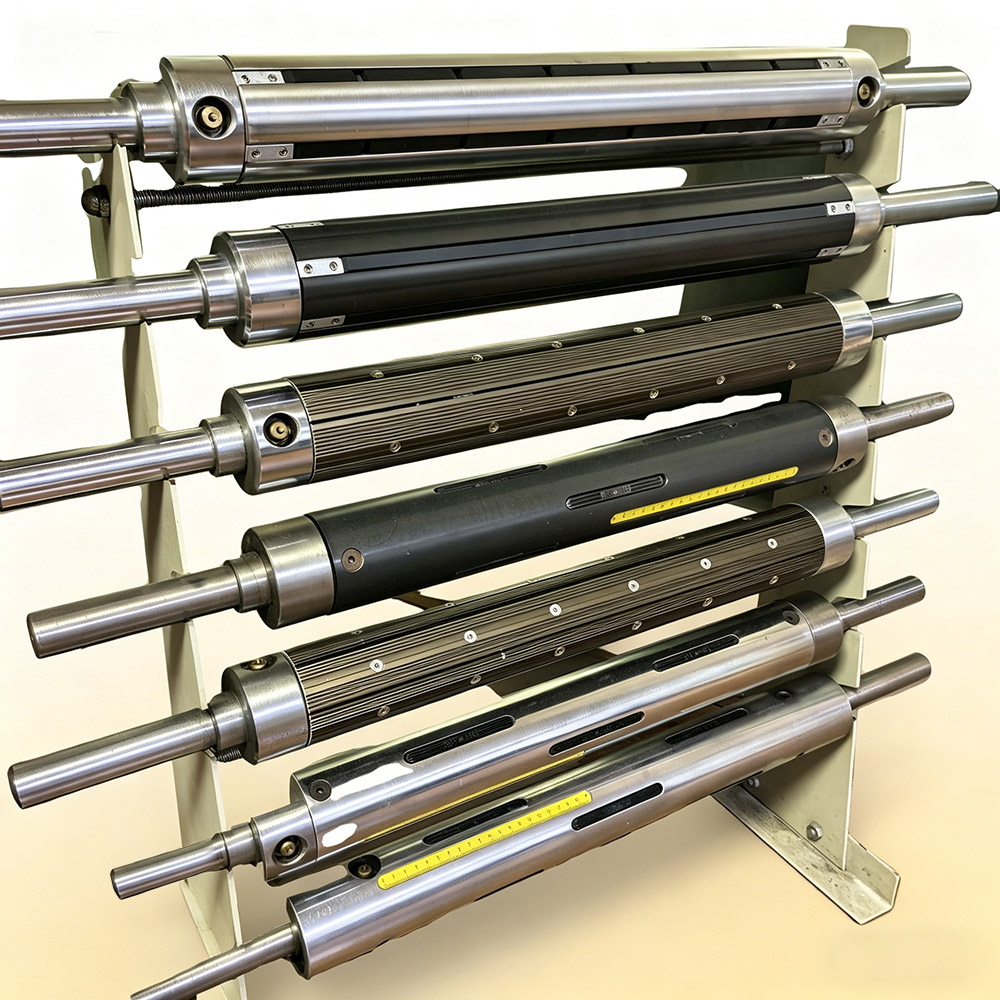
The mechanics of air shaft performance depend on maintaining precise pressure balance, proper lubrication, and clean mounting surfaces throughout the component's operational life. An air shaft relies on controlled air pressure to create an expanding force that grips materials or core tubes securely without deformation or slipping. When maintenance practices fall short, contamination, pressure decay, and seal degradation combine to create conditions where core slippage becomes inevitable. This guide explores the essential maintenance protocols, inspection routines, and preventive measures that industrial operators must implement to keep their air shaft systems performing reliably and prevent costly core slippage incidents.
Understanding Air Shaft Function and Slippage Mechanisms
How Air Shaft Pressure Systems Work
An air shaft operates by distributing controlled pneumatic pressure through internal chambers that expand against the core or material being held. The precision design of an air shaft creates a uniform gripping force that secures the load without requiring mechanical fasteners or destructive compression. This pneumatic expansion system must maintain consistent pressure throughout operation to prevent slipping or shifting of the mounted component. When an air shaft loses pressure due to seal failure, air leakage, or system degradation, the holding force diminishes rapidly, allowing the core to slip or rotate independently of the intended load path.
Root Causes of Core Slippage
Core slippage occurs when the holding force provided by an air shaft falls below the threshold needed to resist material tension, rotational forces, or positional load. The most common causes include worn or damaged seals that allow internal pressure to escape, contaminated air supplies that degrade seal performance, and inadequate maintenance schedules that permit gradual pressure loss to go undetected. An air shaft can also experience slippage when surface contamination prevents proper contact between the expansion elements and the mounted core. Without regular inspection and maintenance of your air shaft system, these failure mechanisms accumulate silently until catastrophic slippage interrupts production.
Essential Air Shaft Maintenance Protocols
Regular Pressure Monitoring and Testing
Maintaining consistent air pressure is the foundation of preventing core slippage on any air shaft installation. Establish a documented pressure monitoring schedule that includes daily visual checks and weekly pressure gauge readings to track system performance over time. An air shaft should maintain its specified operating pressure within a tight tolerance range; deviations of more than 5 percent warrant immediate investigation and corrective action. Install pressure gauges at key points in your air shaft system, including the supply line and the shaft itself, to identify exactly where pressure loss occurs if problems develop. Regular pressure testing creates an early warning system that catches seal degradation or air leaks before they cause production-stopping core slippage events.
Seal Inspection and Replacement
The seals within an air shaft represent the most critical wear components because they maintain pressure integrity and prevent air leakage that causes slippage. Develop a preventive replacement schedule based on manufacturer recommendations and your facility's duty cycle; many industrial operations benefit from replacing air shaft seals annually or semi-annually depending on operating hours and environmental conditions. During inspection, examine seal surfaces for cracks, hardening, or visible wear patterns that indicate imminent failure of your air shaft's holding capability. When seals begin to deteriorate, pressure loss accelerates exponentially, making early detection through regular visual inspection and pressure monitoring absolutely essential for preventing core slippage. Store replacement seals in clean, dry conditions and install them using proper techniques to avoid cross-contamination or mechanical damage during the maintenance procedure.
Air Supply System Cleanliness
Contaminated compressed air represents one of the most overlooked threats to air shaft reliability and a direct cause of premature seal failure leading to core slippage. Implement a multi-stage filtration system that removes particles, moisture, and oil aerosols from your compressed air supply before it reaches your air shaft components. Install and regularly maintain air filters with appropriate micron ratings; a clogged air filter can starve your air shaft of adequate pressure needed to prevent slipping. An air shaft system also requires moisture removal through refrigerated or desiccant dryers because water vapor causes corrosion inside pressure chambers and accelerates seal degradation. Check filter condition monthly and replace elements according to the manufacturer's pressure drop schedule to ensure your air shaft receives clean, dry air that preserves seal integrity and maintains consistent grip force.
Inspection Routines and Predictive Maintenance Strategies
Visual and Tactile Inspection Methods
Conduct regular physical inspections of your air shaft to identify external signs of problems before they cause core slippage or equipment failure. Look for visible oil residue, moisture condensation, or discoloration around seal areas that indicate pressure leakage or internal seal degradation within the air shaft. Feel for proper expansion feel when the system is pressurized; an air shaft should expand uniformly and smoothly without hesitation or incomplete engagement. Check all connection points, fittings, and hose attachments for signs of leakage or loose coupling that would allow pressure to escape from your air shaft system. These tactile and visual inspections take only minutes but provide invaluable early warning signals that prevent unexpected core slippage during production runs.
Lubrication and Surface Treatment
Proper lubrication maintains smooth operation of all moving components within an air shaft and protects metal surfaces from corrosion that could impair sealing capability. Use only manufacturer-recommended lubricants and apply them according to specified intervals; over-lubrication can attract contamination while under-lubrication causes friction and accelerates wear inside your air shaft mechanism. Clean the exterior of your air shaft regularly to remove accumulated dust, paper fibers, or other materials that could interfere with proper seal function or interfere with pressure chamber operation. If your air shaft operates in harsh environments with high humidity or chemical exposure, apply protective coatings designed for pneumatic equipment to prevent corrosion that compromises structural integrity and creates pressure leakage paths that enable core slippage.
Documentation and Predictive Trend Analysis
Maintain detailed maintenance logs for every air shaft in your facility, recording pressure readings, inspection findings, service dates, and any anomalies observed during operation. This documentation creates a historical record that reveals maintenance trends and helps predict when components will require replacement before failure occurs on your air shaft system. Analyze pressure trends month-to-month to identify gradual pressure decline that signals approaching seal failure; even a one percent monthly pressure loss indicates your air shaft seal is beginning to degrade and replacement should be scheduled promptly. Predictive maintenance based on documented trends costs far less than emergency repairs and prevents production interruption from unexpected core slippage events caused by undetected air shaft deterioration.
Operational Best Practices to Minimize Core Slippage Risk
Correct Loading and Pressure Calibration
Operating your air shaft within design parameters ensures the pneumatic system maintains adequate grip force to prevent core slippage under normal production conditions. Never exceed the maximum recommended pressure rating for your air shaft because over-pressurization accelerates seal wear, reduces component lifespan, and creates unnecessary stress on all pneumatic connections. Conversely, running at pressure below the manufacturer's minimum specification leaves insufficient gripping force to reliably hold the load, creating conditions where core slippage becomes likely during any acceleration or load spike. Establish clear operational procedures that specify the exact pressure required for each air shaft application and train operators to verify this setting before each shift to maintain consistent holding force.
Environmental Control and Equipment Protection
The operating environment directly affects air shaft performance and seal longevity because extreme temperatures, humidity, and chemical exposure accelerate degradation that leads to core slippage. In cold environments, compressed air can condense inside your air shaft, causing ice formation that blocks pressure chambers and prevents proper expansion of the pneumatic gripping mechanism. Hot environments increase seal material softening and accelerate elastomer breakdown within the air shaft structure. Implement environmental controls, insulation, or protective housing where practical to maintain your air shaft within the manufacturer's recommended temperature range and minimize moisture exposure that degrades seal performance and causes pressure leakage leading to slippage.
FAQ
How often should an air shaft be serviced to prevent core slippage?
Most industrial facilities should establish a quarterly inspection schedule with monthly pressure monitoring and annual seal replacement for critical production air shaft systems. The exact interval depends on operating hours, duty cycle intensity, and environmental conditions; high-speed operations in contaminated environments may require monthly comprehensive service of the air shaft. Consult your equipment manufacturer's maintenance manual and adjust the schedule based on your facility's pressure trend data and historical slippage incidents to optimize air shaft reliability.
What are the warning signs that an air shaft is losing pressure?
Observable warning signs that your air shaft is failing include gradual reduction in expansion feel, visible oil residue around seal areas, audible air hissing from connection points, and inconsistent holding force during production that may precede core slippage events. If operators report the air shaft feeling sluggish or less responsive during manual operation, pressure decay has likely begun and maintenance should be scheduled immediately to prevent production failure. Pressure gauge readings that drop more than five percent from your baseline specification indicate the air shaft requires immediate inspection and seal service.
Can core slippage be caused by factors other than air shaft maintenance?
While proper air shaft maintenance prevents most core slippage incidents, material degradation, improper core specifications, or excessive load can also contribute to slipping even when the air shaft functions correctly. Verify that your core material and the air shaft grip surface are compatible and not worn beyond usable limits before assuming maintenance is the root cause. However, a well-maintained air shaft with correct pressure calibration will prevent slippage in virtually all normal operating scenarios, making maintenance your first and most cost-effective solution to eliminate this costly failure mode.

