
 EN
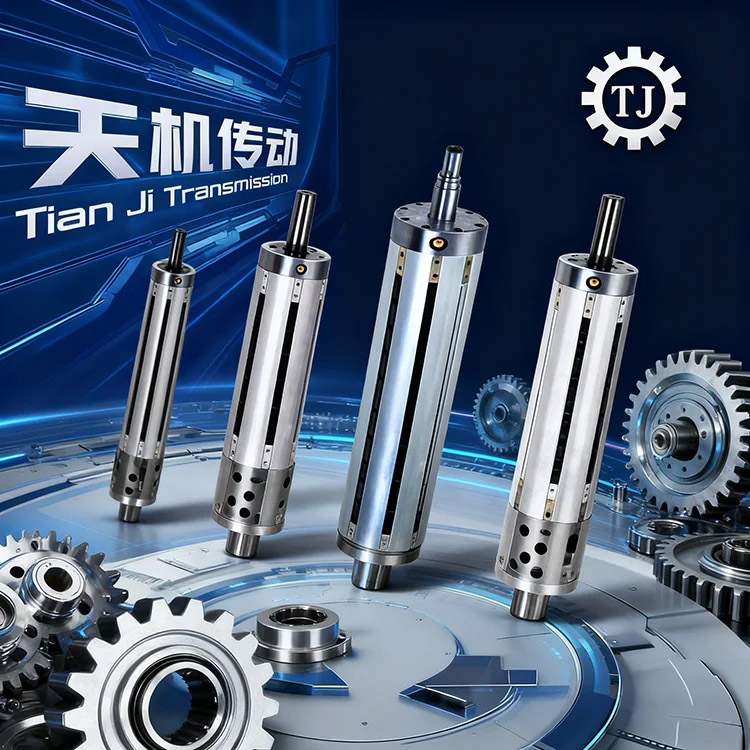
In modern industrial operations, the efficiency of material handling directly impacts production timelines and operational costs. An air shaft represents a critical component in numerous manufacturing and processing applications, serving as the rotating core that enables smooth material transport, fabric handling, and precision winding operations. When engineered from lightweight aluminum, an air shaft offers significant advantages over traditional steel alternatives, making it an increasingly popular choice for facilities seeking to optimize both performance and worker safety. The design philosophy behind a lightweight aluminum air shaft combines material science innovation with practical engineering to deliver superior handling characteristics without compromising structural integrity or operational reliability.
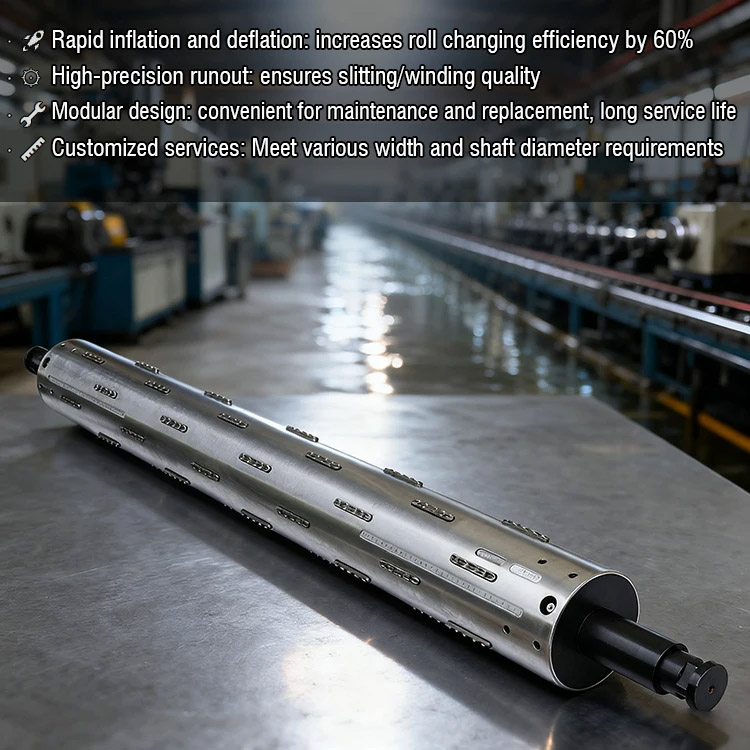
The transition from conventional materials to a lightweight aluminum air shaft reflects a broader industry shift toward ergonomic and sustainable manufacturing solutions. Facilities managing high-speed textile operations, paper processing, or laminate production find that implementing an air shaft constructed from aluminum significantly reduces manual handling strain, accelerates setup times, and minimizes downtime during maintenance cycles. This article explores the technical advantages, practical applications, and installation considerations that make a lightweight aluminum air shaft an essential upgrade for contemporary industrial environments.
Material Advantages of Lightweight Aluminum Air Shaft Design
Superior Strength-to-Weight Ratio Performance
Aluminum delivers exceptional strength characteristics while maintaining substantially lower weight compared to steel alternatives, and this advantage becomes particularly pronounced in an air shaft application. A lightweight aluminum air shaft can weigh up to 70 percent less than an equivalent steel air shaft, yet maintain equivalent load-bearing capacity when properly engineered with precision tolerances and advanced alloy formulations. The reduced mass directly translates to easier manual handling during installation, removal, and maintenance operations, which significantly reduces operator fatigue and associated workplace injury risks. For facilities operating continuous production lines, the ability to quickly extract and replace an air shaft without requiring specialized lifting equipment streamlines maintenance workflows and minimizes production interruptions.
Corrosion Resistance and Longevity Benefits
Industrial environments often expose equipment to moisture, chemical residues, temperature fluctuations, and humidity variations that accelerate degradation of traditional steel components. A lightweight aluminum air shaft naturally resists corrosion through passive oxide layer formation, eliminating the need for additional protective coatings or regular maintenance treatments that steel air shaft variants require. This inherent corrosion resistance extends the operational lifespan of an air shaft significantly, reducing replacement frequency and associated material costs. Industries processing textiles, chemicals, or moisture-intensive materials particularly benefit from the enhanced durability of an aluminum air shaft, as the material maintains dimensional stability and mechanical properties even under challenging environmental conditions.
Operational and Handling Efficiency Improvements
Enhanced Installation and Maintenance Workflows
The practical benefits of a lightweight aluminum air shaft extend throughout the equipment lifecycle, from initial installation through routine maintenance intervals. Technicians can position and secure an air shaft more efficiently than heavier steel alternatives, reducing setup time by thirty to forty percent in many applications. When maintenance becomes necessary, the reduced weight of an aluminum air shaft allows facility staff to perform component replacement without deploying heavy lifting machinery or requiring multiple personnel, thereby lowering labor costs and accident risk. This operational efficiency proves especially valuable in facilities operating multiple production lines simultaneously, where rapid shaft exchange minimizes overall production delays and maintains competitive throughput levels.
Ergonomic Safety and Worker Well-being
Occupational health and safety represent primary concerns for manufacturing facilities, and implementing a lightweight aluminum air shaft directly addresses ergonomic challenges associated with handling heavy industrial components. Workers handling a conventional steel air shaft face cumulative physical stress from repeated lifting, positioning, and securing operations, leading to increased injury rates and higher workers' compensation expenses. A lightweight aluminum air shaft reduces these physical demands substantially, enabling operators to focus on precision tasks rather than struggling with component weight. Facilities adopting aluminum air shaft technology report measurable improvements in employee satisfaction, reduced sick days related to repetitive strain injuries, and enhanced safety metrics across maintenance and production teams.
Technical Specifications and Application Suitability
Precision Engineering and Performance Standards
A properly engineered aluminum air shaft maintains rigorous dimensional tolerances, balanced weight distribution, and dynamic performance characteristics essential for reliable industrial operation. Advanced manufacturing processes ensure that an air shaft constructed from aerospace-grade aluminum alloys meets strict accuracy requirements for high-speed applications, minimizing vibration and ensuring smooth rotational dynamics. The modular design of contemporary aluminum air shaft models enables rapid customization to match specific application parameters, including diameter specifications, length configurations, and mounting interface standards. Facilities can source an air shaft tailored precisely to their production requirements rather than accepting generic solutions, resulting in optimized performance and extended service intervals.
Compatibility and Integration Considerations
Before implementing a lightweight aluminum air shaft in existing production systems, facility engineers must evaluate compatibility with current mounting hardware, drive mechanisms, and control systems. Most modern aluminum air shaft designs feature standard interface dimensions that accommodate traditional bearing housings and coupling systems, enabling straightforward retrofit installation without requiring extensive equipment modifications. However, certain legacy installations may require adapter components or minor mechanical adjustments to properly integrate an air shaft. Consulting with engineering professionals familiar with your specific production environment ensures smooth installation and optimal performance from the new aluminum air shaft component.
Cost-Benefit Analysis and Return on Investment Perspective
Direct and Indirect Cost Reductions
The financial case for adopting a lightweight aluminum air shaft encompasses both immediate and long-term cost considerations that extend well beyond initial component pricing. Reduced maintenance labor requirements, minimized production downtime during maintenance operations, and extended service intervals collectively generate substantial operational savings over the equipment lifetime. The decreased weight of an aluminum air shaft reduces energy consumption during operation, as machinery requires less power to maintain rotational speeds compared to heavier steel alternatives. For facilities processing high volumes of material continuously, these incremental efficiency gains compound significantly, often yielding return on investment within twelve to twenty-four months of deployment.
Sustainability and Environmental Impact
Manufacturing sustainability increasingly influences purchasing decisions for industrial facilities facing carbon footprint reduction mandates and environmental compliance requirements. An aluminum air shaft reduces overall equipment weight, which decreases transportation energy requirements and carbon emissions throughout the supply chain. Aluminum's unlimited recyclability ensures that retired air shaft components retain material value at end-of-life, supporting circular economy objectives and reducing landfill waste. Facilities committed to environmental stewardship find that upgrading to an aluminum air shaft aligns with corporate sustainability goals while simultaneously delivering measurable operational and financial benefits.
FAQ
How does a lightweight aluminum air shaft compare to traditional steel options in terms of performance?
A lightweight aluminum air shaft delivers equivalent or superior performance to steel alternatives while providing significantly lower weight, easier handling, and reduced maintenance requirements. The advanced aluminum alloys used in modern air shaft construction offer comparable load-bearing capacity and rotational stability, with the added benefits of corrosion resistance and extended service life. Performance comparisons must account for application-specific requirements, but in most industrial settings, an air shaft made from quality aluminum outperforms steel alternatives across handling, durability, and total cost of ownership metrics.
What industries benefit most from implementing an air shaft constructed from aluminum?
Textile processing facilities, paper manufacturing operations, laminate production lines, and chemical processing industries experience substantial benefits from upgrading to a lightweight aluminum air shaft. Any manufacturing environment involving high-speed material winding, unwinding, or transport functions gains immediate advantages from the reduced weight and enhanced handling characteristics of an air shaft. Industries operating in humid or corrosive environments particularly benefit from the aluminum material's natural corrosion resistance, which eliminates protective coating requirements and maintenance concerns that plague traditional steel air shaft installations.
Can existing equipment accommodate a new aluminum air shaft without significant modifications?
Most modern industrial equipment can integrate a lightweight aluminum air shaft with minimal or no modifications, as contemporary designs maintain compatibility with standard mounting interfaces and bearing housings. However, certain legacy equipment may require adapter components or minor mechanical adjustments to properly accommodate the new air shaft. Consulting with equipment manufacturers or experienced integration specialists ensures that your facility can successfully implement an aluminum air shaft while maintaining all safety standards and operational specifications. The retrofit process typically occurs during routine maintenance windows without requiring extended production downtime.

