
 EN
EN
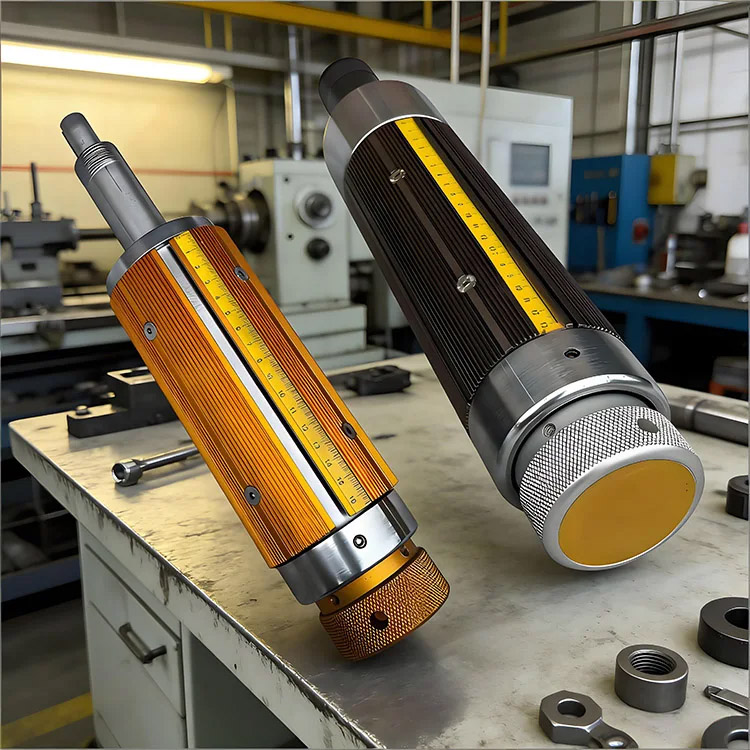
An air shaft is a critical component in modern industrial machinery, designed to transmit torque and power with exceptional efficiency and precision. The multi-bladder air shaft represents a significant advancement in this technology, offering unprecedented durability and torque-handling capabilities for applications that demand consistent performance under extreme conditions. Industries ranging from textile manufacturing to printing, paper processing, and metal converting rely on advanced air shaft solutions to maintain productivity and reduce downtime.
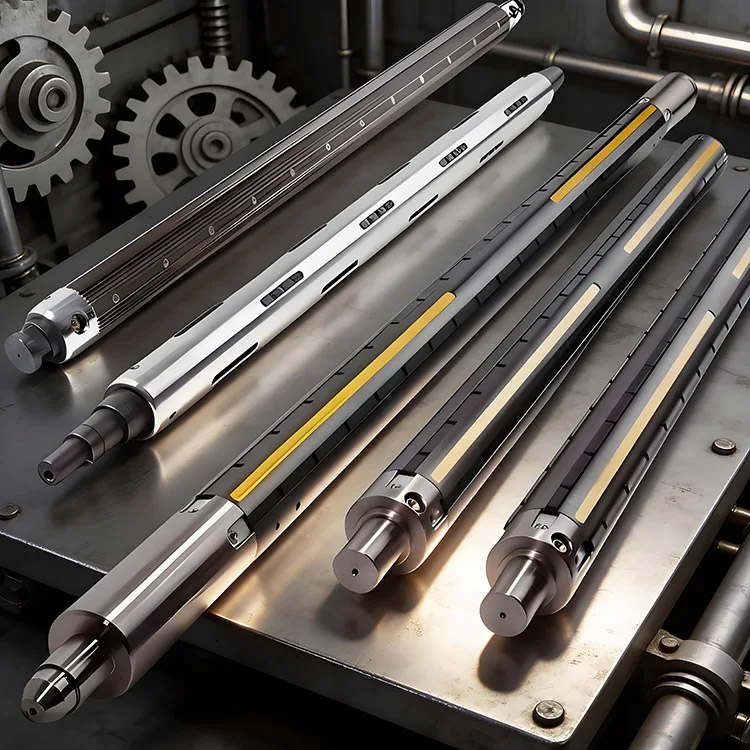
The multi-bladder air shaft design fundamentally transforms how torque is distributed and sustained during high-load operations. Unlike conventional single-chamber air shafts, a multi-bladder air shaft incorporates multiple independent pressurized chambers that work in concert to provide redundancy, stability, and dramatically improved load-bearing capacity. This architectural innovation ensures that mechanical stresses are distributed more evenly across the shaft, significantly extending operational lifespan and reducing maintenance frequency.
Understanding Multi-Bladder Air Shaft Technology
Core Design Principles Behind the Air Shaft
A multi-bladder air shaft operates on the principle of distributed pneumatic pressure to expand and grip materials or connect mechanical components. Each blade chamber within the air shaft maintains independent pressure regulation, allowing operators to fine-tune expansion force and gripping power based on specific application requirements. The air shaft design incorporates precision engineering that prevents leakage, maintains consistent pressure under variable thermal conditions, and responds rapidly to operational demands without lag or instability.
The fundamental advantage of a multi-bladder air shaft lies in its compartmentalized pressure distribution system. If one bladder chamber experiences minor degradation, the remaining chambers continue functioning at full capacity, ensuring production continuity and eliminating catastrophic failure risks. This redundancy feature makes the air shaft an exceptionally reliable choice for mission-critical manufacturing environments where downtime costs translate directly to lost revenue.
Materials and Manufacturing Standards for Durability
Premium multi-bladder air shaft products utilize aerospace-grade aluminum alloys and stainless steel components that withstand corrosive industrial environments and extreme temperature fluctuations. The manufacturing process for a high-quality air shaft incorporates precision machining, rigorous pressure testing, and multiple quality checkpoints to ensure each unit meets international standards. Durable air shaft construction includes reinforced blade mechanisms, wear-resistant sealing surfaces, and hardened connection points that endure millions of expansion cycles without degradation.
Manufacturing an air shaft to handle high torques requires advanced engineering capabilities and adherence to strict dimensional tolerances. CE certification and compliance with industrial safety standards confirm that each air shaft has undergone comprehensive testing and validation. The durability of a multi-bladder air shaft depends on material selection, precision assembly, and quality control processes that distinguish premium products from inferior alternatives in the marketplace.
Performance Benefits in High-Torque Applications
Torque Capacity and Load Distribution
The multi-bladder air shaft excels in applications requiring sustained torque transmission, where traditional single-chamber designs would experience performance degradation or mechanical failure. Each blade within the air shaft can be pressurized independently to precisely match load requirements, enabling operators to optimize performance while minimizing energy consumption. High-torque environments such as textile roll handling, paper converters, and industrial wrapping systems benefit dramatically from the superior load-bearing capabilities of a properly engineered air shaft.
Load distribution across multiple pressure chambers transforms how an air shaft responds to peak torque demands. Rather than concentrating stress at single points, the multi-bladder air shaft spreads mechanical forces across its entire circumference, dramatically reducing wear patterns and extending service life. This intelligent design approach means that a durable air shaft can maintain consistent gripping force throughout extended production runs without requiring pressure compensation or manual adjustment.
Reliability and Reduced Maintenance Requirements
Investing in a multi-bladder air shaft directly reduces maintenance costs and improves production scheduling predictability. The redundant design of an air shaft means that partial seal degradation does not immediately necessitate shaft removal or replacement, allowing maintenance teams to schedule service during planned downtime rather than responding to emergency breakdowns. Durable air shaft technology includes self-monitoring capabilities and progressive failure modes that provide advance warning of maintenance needs.
The longevity associated with a premium air shaft translates into lower total cost of ownership across multi-year operating periods. Replacement cycles extend from months to years when using high-quality multi-bladder designs, reducing spare parts inventory requirements and associated storage costs. Modern air shaft solutions incorporate advanced seal technology that minimizes compressed air leakage, ensuring consistent performance efficiency and reducing energy waste that directly impacts operational profitability.
Industrial Applications and Suitability
Textile and Paper Industry Integration
The textile manufacturing sector has long relied on air shaft technology to manage fabric rolls, maintain tension control, and coordinate multi-spindle operations. A multi-bladder air shaft provides the precise pressure modulation required to grip delicate fabrics without crushing fibers while simultaneously handling heavy industrial-weight rolls with equal ease. Paper converters and finishing operations depend on robust air shaft solutions that maintain alignment accuracy and gripping consistency across production runs lasting thousands of meters.
Paper mills utilize advanced air shaft designs for core positioning, trim removal, and log handling applications where conventional mechanical clamping would cause material damage or inconsistent results. The durable air shaft's ability to maintain precise pressure across multiple chambers ensures that paper quality remains consistent and material waste is minimized, directly protecting bottom-line profitability.
Metal Converting and Advanced Manufacturing
Metal converting operations, including sheet slitting, coil winding, and precision stamping, demand an air shaft capable of handling extreme torque loads while maintaining positioning accuracy to micron-level tolerances. A multi-bladder air shaft excels in these demanding environments by providing split-second pressure response, predictable force delivery, and the durability required to survive millions of expansion cycles under continuous industrial stress.
Advanced manufacturing applications increasingly specify air shaft solutions with integrated condition monitoring and digital pressure control systems. These next-generation air shaft designs communicate real-time performance data to plant management systems, enabling predictive maintenance scheduling and optimization of production parameters based on actual shaft performance metrics rather than theoretical performance models.
FAQ
What makes a multi-bladder air shaft superior to conventional single-chamber designs?
A multi-bladder air shaft provides redundant pressure chambers that distribute torque loads more evenly, eliminate single-point failure risk, and deliver superior torque capacity compared to conventional designs. The distributed pressure approach ensures that localized seal degradation does not compromise overall performance, and the air shaft maintains operational capability even when individual chambers require maintenance or replacement.
How does an air shaft contribute to reduced maintenance expenses in industrial operations?
The advanced design of a durable air shaft with independent pressure chambers enables extended service intervals and predictable failure modes that allow maintenance planning rather than emergency repairs. Progressive degradation of the air shaft provides early warning signs, allowing technicians to schedule replacement during planned downtime and avoid costly production interruptions that would otherwise occur with sudden mechanical failure.
Which industries benefit most from implementing high-torque air shaft technology?
Textile manufacturing, paper converting, metal processing, and precision printing industries all benefit significantly from multi-bladder air shaft solutions that handle demanding torque requirements while maintaining dimensional accuracy and material consistency. Any industrial sector involving roll handling, material gripping, or precision positioning under high loads represents an excellent candidate for implementing advanced air shaft technology that delivers superior performance and extended operational lifespan.

