Bawasan ang Pagpapanatili at Matagalang Pag-impok sa Gastos
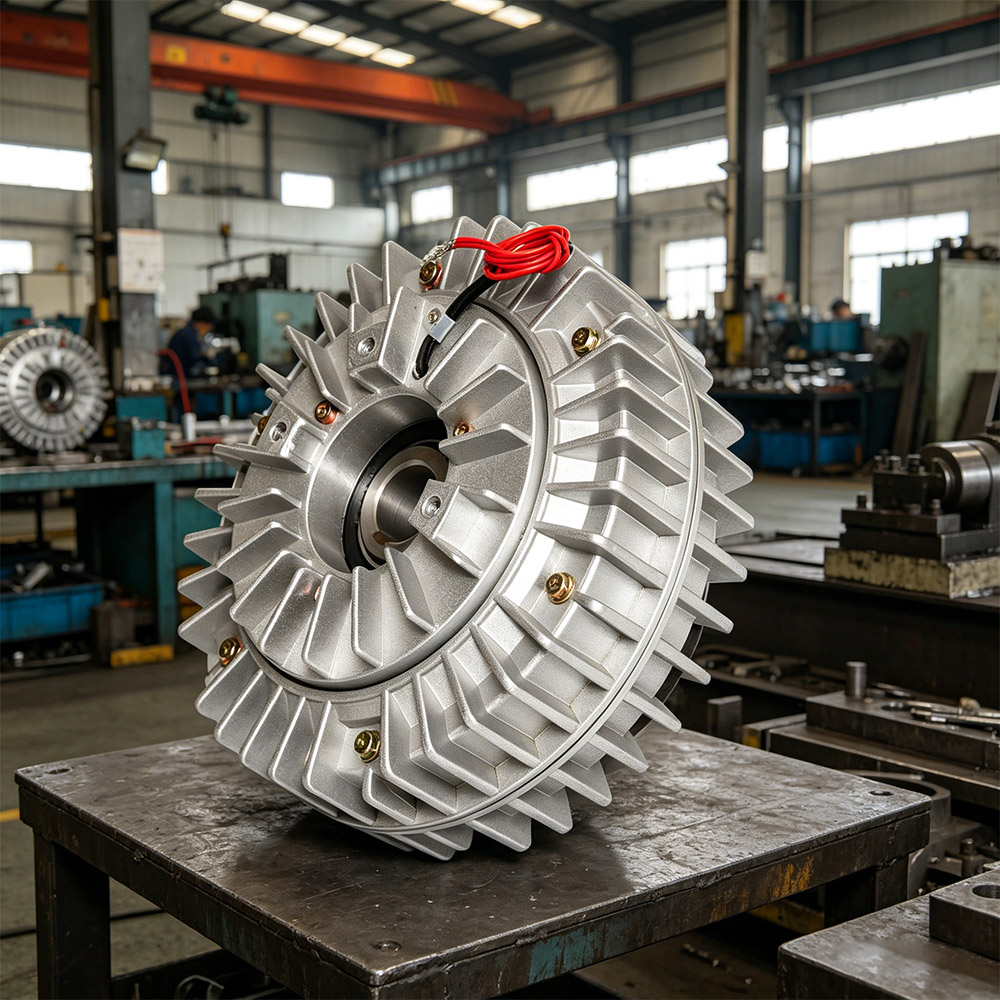
Ang mga pang-ekonomiyang pakinabang ng mga electric disc brakes ay naging mas kapansin-pansin sa buong panahon ng pagmamay-ari ng sasakyan, na nagbibigay ng malaking pagtitipid sa gastos sa pamamagitan ng nabawasan ang mga kinakailangan sa pagpapanatili at pinalawig na buhay ng mga bahagi. Ang tradisyonal na hydraulic brake systems ay may maraming bahagi na kailangang inspeksyunin, serbisyuhin, at kalaunan ay palitan nang pana-panahon, ngunit ang electric disc brakes ay inaalis ang marami sa mga bahaging ito na nangangailangan ng madalas na pagpapanatili, na pinapasimple ang kabuuang arkitektura ng sistema ng pagsusunog. Ang kawalan ng hydraulic fluid ay isa sa pinakamalaking pagbawas sa pagpapanatili. Ang mga konbensyonal na sistema ng pagsusunog ay nangangailangan ng pana-panahon na pagpapalit ng fluid dahil ang brake fluid ay sumisipsip ng kahalumigmigan sa paglipas ng panahon, na nagpapababa ng kanyang pagganap at maaaring magdulot ng corrosion sa loob ng hydraulic system. Ang gawaing ito sa pagpapanatili ay kadalasang kailangang gawin bawat dalawa hanggang tatlong taon, na kasama ang mga gastos sa paggawa at bayad sa pagtatapon ng fluid. Ang electric disc brakes ay ganap na inaalis ang kinakailangang ito, na inaalis ang paulit-ulit na gastos at ang kaguluhan ng pagpaplano ng mga appointment para sa serbisyo. Ang mga may-ari ng sasakyan ay nakakatipid hindi lamang ng pera kundi pati na rin ng mahalagang oras na kung hindi man ay gagastusin sa mga pasilidad ng serbisyo. Ang nabawasang bilang ng mekanikal na bahagi sa electric disc brakes ay nag-aambag din sa mas mababang rate ng pagkabigo at mas kaunting di-inaasahang pagkukumpuni. Ang mga hydraulic system ay may master cylinders, brake lines, hoses, at iba't ibang seals na maaaring mag-leak o mabigo, na kadalasang nangangailangan ng mahal na pagkukumpuni at posibleng iwanan ang mga driver nang walang sasakyan. Ang electric disc brakes ay gumagamit ng sealed electric actuators at solid-state electronic components na nagpapakita ng mas mataas na katiyakan at haba ng buhay. Kapag kailangan naman ng serbisyo, ang mga kakayahan sa diagnosis na nakabuilt sa electric disc brakes ay nagpapasimple sa paghahanap ng problema at binabawasan ang oras ng paggawa. Ang sistema ay maaaring tukuyin ang tiyak na mga isyu at ipaalam ang detalyadong impormasyon sa mga teknisyan, na inaalis ang paghuhula at binabawasan ang oras na ginugugol ng mga sasakyan sa labas ng serbisyo. Para sa mga operator ng komersyal na fleet, ang mapabuting uptime na ito ay direktang nagpapataas ng produktibidad at kita. Ang brake pads at discs sa mga electric disc brake systems ay karaniwang tumatagal nang mas matagal kaysa sa mga tradisyonal na sistema dahil ang integrasyon nito sa regenerative braking ay nababawasan ang kabuuang friction braking na kailangan. Ang pinalawig na buhay ng mga bahaging ito ay nangangahulugan ng mas kaunting pagpapalit at mas mababang gastos sa mga bahagi sa paglipas ng panahon. Ang ilang electric disc brake systems ay mayroon ding automated pad wear monitoring, na nagpapaalala sa mga driver kapag malapit nang kailangan ang serbisyo at pinipigilan ang pinsala sa bahagi na maaaring mangyari kapag hindi napapansin ang mga naka-wear na pads. Sa loob ng karaniwang sampung taong panahon ng pagmamay-ari ng sasakyan, ang kabuuang pagtitipid mula sa nabawasang pagpapanatili, mas kaunting pagkukumpuni, at pinalawig na buhay ng mga bahagi ay maaaring umabot sa libo-libong dolyar, na ginagawang hindi lamang isang teknolohikal na unlad kundi isang matalinong desisyon sa pananalapi ang electric disc brakes—na nagbabayad ng tubo sa buong buhay ng serbisyo ng sasakyan.

 EN
EN