Clutch Magnet Compressor: High-Efficiency Electromagnetic Cooling Solutions for Automotive and Industrial Applications

All Categories

clutch magnet compressor

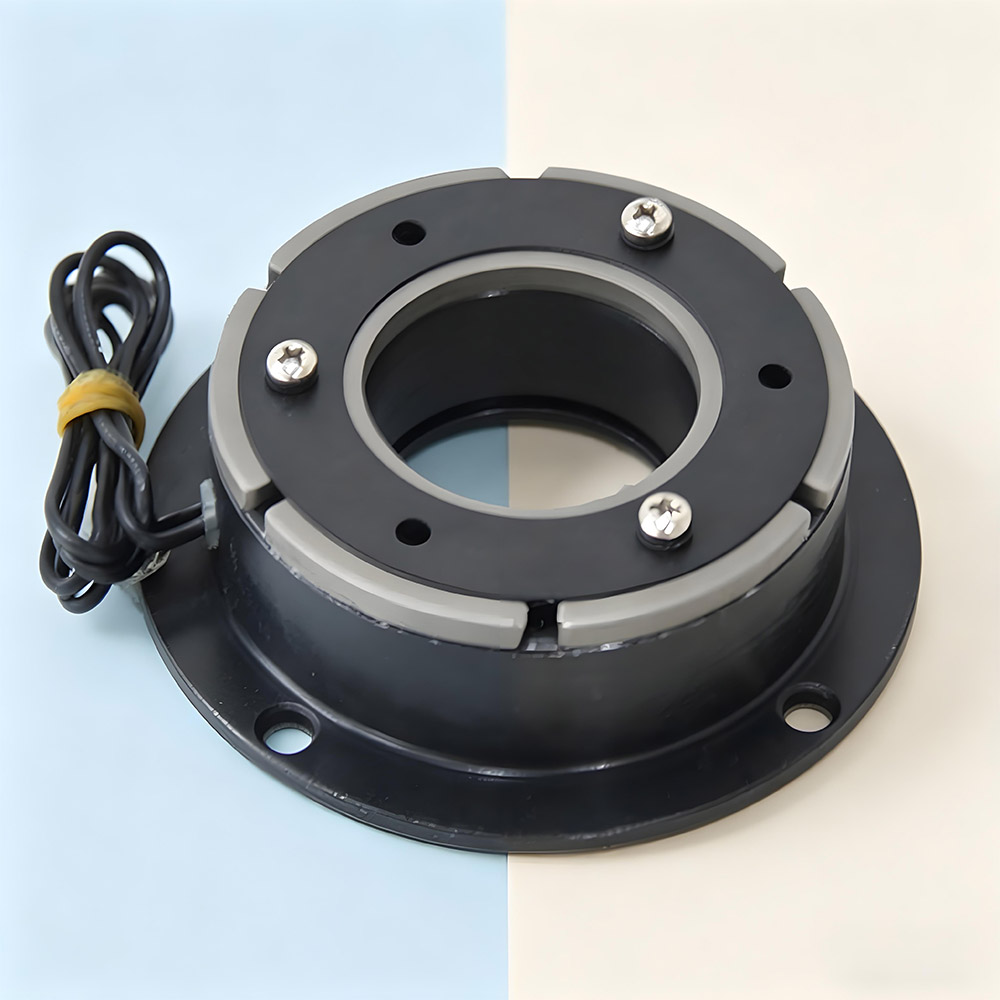
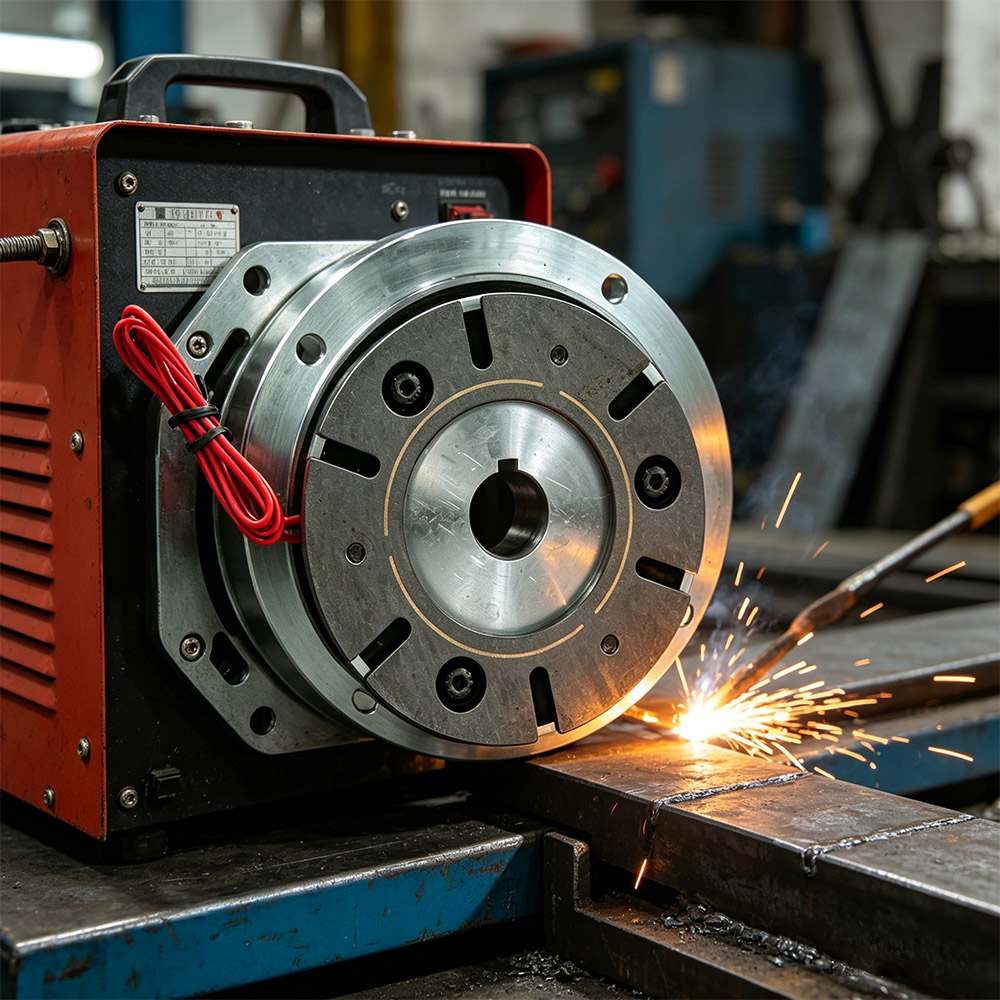
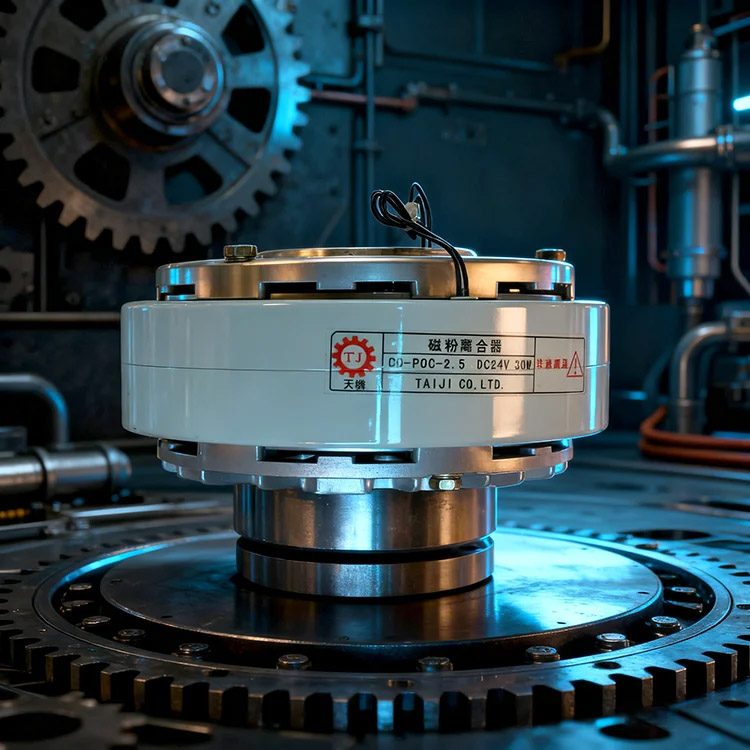
The clutch magnet compressor represents an advanced refrigeration solution that integrates electromagnetic clutch technology with traditional compression mechanisms to deliver superior performance and energy efficiency. This innovative system operates by utilizing an electromagnetic clutch that engages and disengages the compressor from the drive source, typically a vehicle engine or electric motor, based on cooling demands. The primary function of the clutch magnet compressor involves compressing refrigerant gas to facilitate heat exchange processes essential for air conditioning and refrigeration applications. When the electromagnetic clutch receives an electrical signal, it magnetizes and pulls the clutch plate toward the pulley, creating a mechanical connection that allows the compressor to operate. Conversely, when cooling is not required, the clutch disengages, allowing the drive pulley to rotate freely without turning the compressor shaft. The technological features of this system include precision-engineered electromagnetic coils, durable friction surfaces, sealed bearing assemblies, and advanced thermal management capabilities. The clutch magnet compressor finds extensive applications across automotive air conditioning systems, commercial refrigeration units, mobile cooling equipment, and industrial climate control installations. In automotive applications, this technology enables efficient cabin cooling while minimizing fuel consumption by reducing parasitic engine loads during periods when air conditioning is unnecessary. Commercial vehicles, including delivery trucks and buses, benefit from the reliable temperature control provided by clutch magnet compressor systems. The construction industry employs these compressors in mobile equipment and temporary cooling installations where reliable on-demand operation is critical. Agricultural machinery and heavy equipment also incorporate clutch magnet compressor technology to maintain operator comfort in challenging environmental conditions. The design versatility of the clutch magnet compressor allows manufacturers to customize configurations for specific voltage requirements, torque capacities, and environmental operating conditions, making it adaptable to diverse market segments and geographical regions worldwide.

New Product Recommendations

The clutch magnet compressor delivers substantial fuel savings and energy conservation benefits that directly impact operational costs for vehicle owners and equipment operators. By disengaging the compressor when cooling is not needed, this technology eliminates unnecessary mechanical resistance that would otherwise consume fuel or electrical power continuously. Studies demonstrate that vehicles equipped with clutch magnet compressor systems can achieve fuel economy improvements ranging from five to fifteen percent during typical driving conditions compared to continuously driven compressor alternatives. This translates to meaningful cost reductions over the vehicle's operational lifetime, particularly for commercial fleets operating multiple units across extended service periods. The responsive nature of the clutch magnet compressor ensures that cooling activation occurs almost instantaneously when temperature sensors detect the need for refrigeration, providing superior comfort control without noticeable delay. Maintenance advantages emerge from the reduced wear characteristics inherent in clutch-engaged operation, as internal compressor components experience mechanical stress only during active cooling cycles rather than continuous operation. This selective engagement pattern extends service intervals, reduces replacement part requirements, and minimizes unexpected downtime that could disrupt business operations or personal transportation needs. The clutch magnet compressor operates with reduced noise and vibration levels compared to belt-driven alternatives, creating a more pleasant cabin environment for passengers and operators alike. Environmental benefits accompany the efficiency improvements, as lower fuel consumption directly correlates with reduced greenhouse gas emissions and smaller carbon footprints for individual vehicles and commercial fleets. The modular design of modern clutch magnet compressor systems facilitates straightforward installation and replacement procedures, reducing labor costs associated with maintenance activities and system upgrades. Temperature stability represents another practical advantage, as the clutch magnet compressor can cycle precisely to maintain desired climate conditions without the temperature fluctuations sometimes experienced with variable-speed systems. Compatibility with multiple refrigerant types allows the clutch magnet compressor to meet evolving environmental regulations while maintaining performance standards across different market requirements. The proven reliability of electromagnetic clutch technology, refined through decades of automotive and industrial applications, provides confidence in long-term durability and consistent performance across diverse operating environments and climate zones.

Practical Tips

Transmission Pain Points in Printing/Textile/Chemical Machinery: How Electromagnetic Clutches Improve Equipment Stability?

08

Dec

Transmission Pain Points in Printing/Textile/Chemical Machinery: How Electromagnetic Clutches Improve Equipment Stability?

Struggling with transmission instability in printing, textile, or chemical machinery? TJ-A electromagnetic clutches eliminate slip, boost throughput 15–20%, and ensure asbestos-free safety. Discover how top global manufacturers achieve 99.8% reliability—request a spec sheet today.
View More
High-Quality Web Guide Control Systems From a Leading Domestic Manufacturer With 20 Years of Expertise

08

Dec

High-Quality Web Guide Control Systems From a Leading Domestic Manufacturer With 20 Years of Expertise

Discover high-precision web guide control systems from a trusted domestic manufacturer with 20 years of R&D expertise. Reduce waste, boost efficiency, and ensure reliability. Request a quote today.
View More
The Pain of Non-Standard Transmission in Special Working Conditions

09

Apr

The Pain of Non-Standard Transmission in Special Working Conditions

Struggling with standard transmission failures in extreme temps, dust, or tight spaces? TianJi’s 20-year R&D delivers reliable custom clutches & brakes—engineered for your exact specs. Get a free technical consultation today.
View More

Get Your Custom Quote

Tell us your requirements and get a tailored solution for your project.
Name
Mobile
Email
Please include
Message
0/1000

clutch magnet compressor

Electromagnetic Precision Control for Optimal Performance

Electromagnetic Precision Control for Optimal Performance

The electromagnetic precision control system represents the technological heart of the clutch magnet compressor, enabling sophisticated management of compressor engagement and disengagement cycles that optimize both performance and efficiency. This control mechanism utilizes carefully calibrated electromagnetic coils that generate precisely measured magnetic fields when electrical current flows through the winding assemblies. The magnetic force created by these coils attracts the clutch plate assembly toward the rotating pulley with controlled force levels that ensure smooth engagement without excessive shock loads or mechanical stress. Engineers design these electromagnetic systems with specific pull-in voltages and holding currents that balance response speed against power consumption, creating systems that activate rapidly while minimizing electrical demands on vehicle charging systems or power supplies. The precision inherent in electromagnetic control allows the clutch magnet compressor to respond within milliseconds to signals from temperature sensors and climate control modules, ensuring that cooling begins immediately when conditions warrant refrigeration activation. Advanced clutch magnet compressor designs incorporate feedback mechanisms that monitor engagement status and adjust magnetic field strength to compensate for wear, temperature variations, and voltage fluctuations in the electrical system. This adaptive capability maintains consistent performance characteristics throughout the service life of the component, preventing degradation in response times or engagement reliability as friction surfaces experience normal wear patterns. The electromagnetic control system also provides protection against harmful operating conditions by enabling rapid disengagement when sensors detect refrigerant pressure abnormalities, excessive vibration, or thermal conditions that could damage compressor internals. Manufacturers engineer these safety features directly into the electromagnetic control circuitry, creating fail-safe mechanisms that protect expensive compressor components from catastrophic failures resulting from system malfunctions or refrigerant leaks. The versatility of electromagnetic control technology allows designers to create clutch magnet compressor variants optimized for different voltage standards, including twelve-volt automotive systems, twenty-four-volt commercial vehicle installations, and various industrial power configurations. This flexibility enables global deployment across diverse markets while maintaining consistent performance characteristics and reliability standards regardless of regional electrical infrastructure differences.
Superior Energy Efficiency Through Selective Operation

Superior Energy Efficiency Through Selective Operation

Superior energy efficiency distinguishes the clutch magnet compressor from continuously operating compression systems through intelligent selective operation that eliminates wasteful energy consumption during periods when cooling demands are absent or minimal. Traditional compressor designs that remain mechanically coupled to drive sources consume power continuously, creating parasitic loads that drain fuel or electrical resources regardless of actual refrigeration requirements. The clutch magnet compressor eliminates this inefficiency by mechanically disconnecting the compressor from its drive source when temperature sensors indicate that cooling is unnecessary, allowing the drive motor or engine to operate without the additional mechanical resistance imposed by compressor operation. This selective engagement strategy produces measurable energy savings that accumulate significantly over extended operating periods, particularly in applications where cooling demands fluctuate based on ambient conditions, occupancy patterns, or operational cycles. Vehicle operators benefit from improved fuel economy during moderate weather conditions when air conditioning operates intermittently rather than continuously, reducing fuel costs while maintaining comfortable cabin temperatures through strategic cooling cycles. Commercial refrigeration applications achieve similar benefits when product storage temperatures remain stable, allowing the clutch magnet compressor to cycle off while insulated storage compartments maintain acceptable temperature ranges without continuous refrigeration input. The energy efficiency advantages extend beyond direct fuel or electricity savings to encompass reduced thermal loads on cooling systems, lower wear rates on drive belts and mechanical components, and decreased stress on electrical charging systems that supply power to electromagnetic clutch assemblies. Environmental sustainability represents an increasingly important consideration for both individual consumers and commercial operators, making the energy efficiency characteristics of the clutch magnet compressor particularly valuable in markets with stringent emissions regulations or corporate sustainability commitments. Life-cycle cost analysis demonstrates that the cumulative energy savings achieved through selective clutch magnet compressor operation often justify premium initial equipment costs within relatively short payback periods, particularly for high-utilization applications such as commercial transportation, delivery services, and industrial equipment operations. Modern control algorithms further enhance energy efficiency by incorporating predictive logic that anticipates cooling demands based on historical patterns, ambient temperature trends, and operational schedules, enabling even more refined management of compressor engagement cycles that minimize energy consumption while maintaining optimal temperature control performance.
Extended Service Life and Reduced Maintenance Requirements

Extended Service Life and Reduced Maintenance Requirements

Extended service life and reduced maintenance requirements position the clutch magnet compressor as an economically superior solution for applications where reliability and low total cost of ownership represent critical decision factors. The fundamental design principle of engaging the compressor only when cooling is actually required dramatically reduces the cumulative operating hours that internal components experience compared to continuously driven compressor alternatives. This reduction in actual runtime directly translates to proportionally extended service intervals for oil changes, seal replacements, and other scheduled maintenance activities that depend on compressor operating hours rather than calendar time. Bearing assemblies within the clutch magnet compressor experience significantly reduced wear because they remain stationary or rotate with minimal load during disengaged periods, preserving lubrication films and preventing the accelerated degradation that occurs under continuous loaded operation. Piston rings, valve assemblies, and cylinder wall surfaces similarly benefit from reduced exposure to compression forces and thermal cycling, maintaining tighter tolerances and more efficient sealing characteristics throughout extended service lives. The electromagnetic clutch mechanism itself incorporates friction materials and bearing surfaces designed for millions of engagement cycles, providing reliable operation across vehicle lifetimes that may span hundreds of thousands of miles or decades of service in commercial applications. Maintenance advantages extend to the drive belt systems that connect motors or engines to compressor pulleys, as these belts experience reduced stress and heat buildup when the clutch magnet compressor operates in disengaged mode, extending belt life and reducing the frequency of tension adjustments and replacement procedures. Diagnostic capabilities built into modern clutch magnet compressor control systems enable predictive maintenance strategies by monitoring engagement parameters, electrical consumption patterns, and operational characteristics that indicate developing problems before complete failures occur. This proactive maintenance approach minimizes unexpected downtime and allows service scheduling during convenient periods rather than emergency repairs that disrupt operations and incur premium labor costs. The modular construction common in clutch magnet compressor designs facilitates component-level repairs that replace only worn or damaged assemblies rather than requiring complete compressor replacement, reducing spare parts inventory requirements and minimizing repair costs when service becomes necessary. Quality manufacturing processes and rigorous testing protocols ensure that clutch magnet compressor assemblies meet demanding reliability standards appropriate for critical cooling applications where failures could result in product spoilage, passenger discomfort, or operational disruptions with significant economic consequences.
email goToTop