
 EN
EN
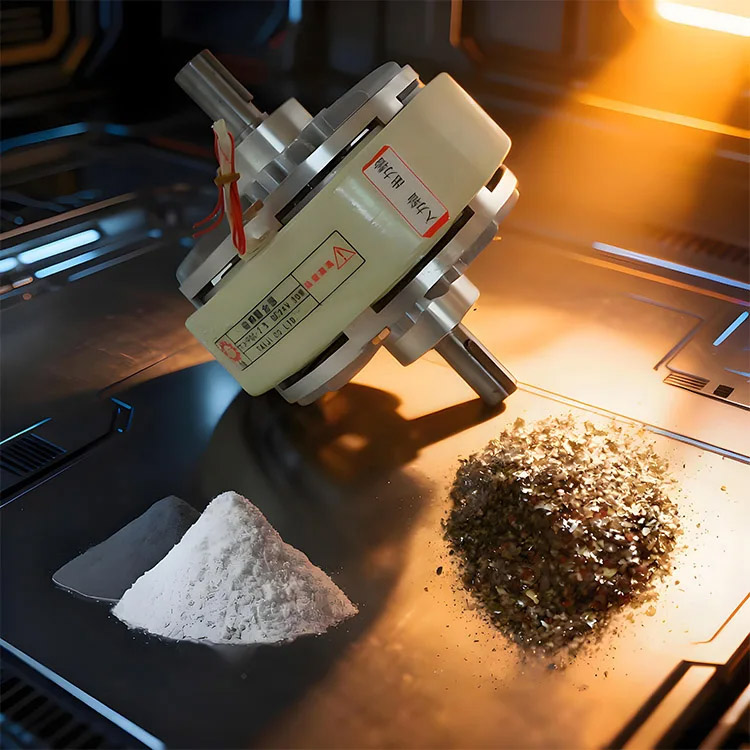
Industrial electromagnetic clutch cooling is a critical operational requirement for facilities managing high-demand power transmission systems. When electromagnetic clutch devices operate under continuous load, internal friction generates substantial heat that can degrade performance and reduce component lifespan. Understanding and implementing proper electromagnetic clutch cooling techniques ensures reliable operation, prevents thermal damage, and maintains consistent torque delivery across industrial applications.
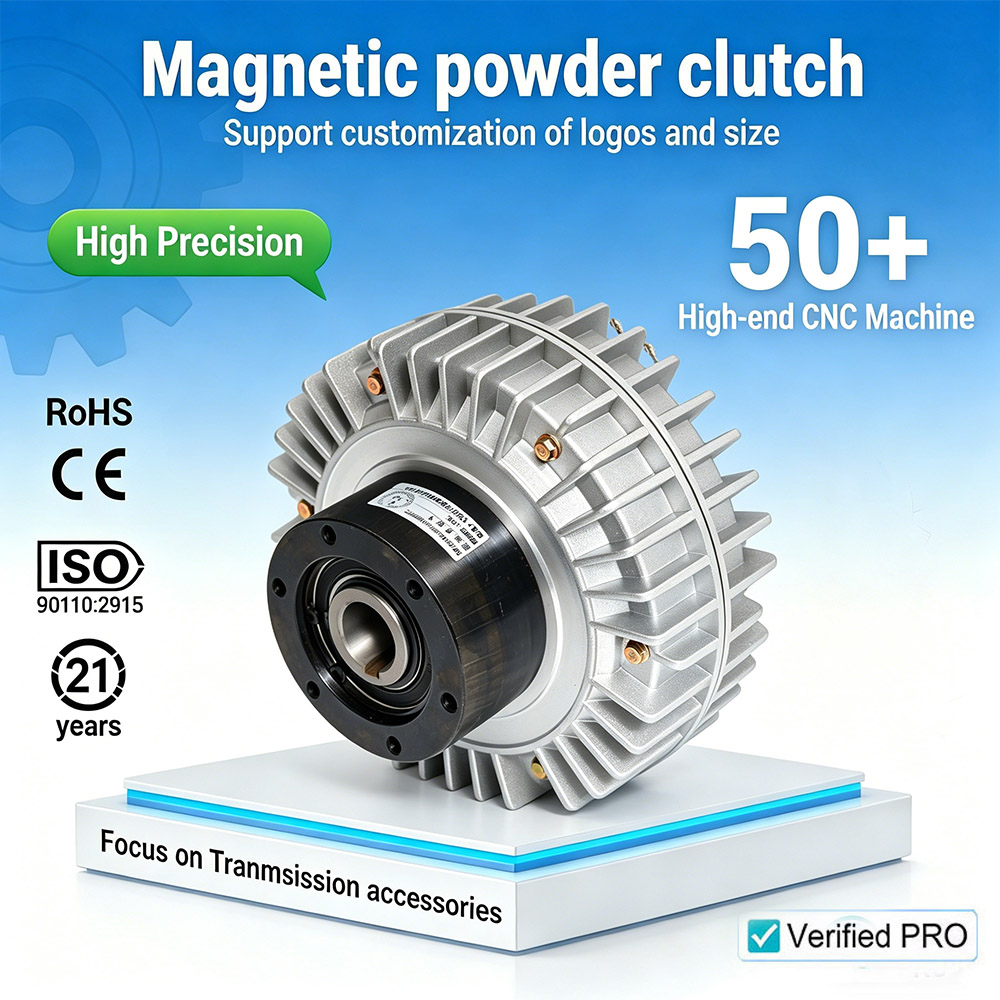
Manufacturing plants, automation systems, and precision machinery increasingly depend on effective electromagnetic clutch cooling to maintain uptime and product quality. Without adequate thermal management, electromagnetic clutch cooling becomes a bottleneck that limits operational speed, increases maintenance frequency, and escalates failure risks. Industrial facilities that prioritize electromagnetic clutch cooling experience measurable improvements in equipment reliability, reduced downtime, and extended maintenance intervals.
Air-Based Electromagnetic Clutch Cooling Methods
Compressed Air Cooling for Electromagnetic Clutches
Compressed air represents one of the most effective electromagnetic clutch cooling approaches for industrial settings. This method forces pressurized air directly across clutch surfaces, rapidly dissipating heat generated during engagement cycles. Compressed air electromagnetic clutch cooling is particularly valuable in contaminated environments where liquid coolants cannot be safely introduced, such as food processing, pharmaceutical manufacturing, and textile production facilities. The air flow removes thermal energy efficiently while maintaining clean operating conditions around sensitive mechanical components.
Implementation of compressed air electromagnetic clutch cooling requires properly sized air lines, regulators, and directional ducting to ensure consistent cooling performance. Industrial operators should verify that their compressed air supply maintains adequate pressure and volume to support the electromagnetic clutch cooling demands of their specific equipment. Many manufacturers provide cooling air specifications that define minimum pressure requirements and optimal flow rates for achieving reliable electromagnetic clutch cooling under peak operating conditions.
Forced Air Circulation Systems
Forced air circulation represents another proven electromagnetic clutch cooling technique that leverages ambient air movement to manage thermal output. Electric fans or motor-driven blowers can be integrated directly into clutch assemblies or positioned nearby to create continuous air circulation around hot surfaces. This approach to electromagnetic clutch cooling proves cost-effective for applications where compressed air infrastructure is unavailable or economically impractical. Forced air electromagnetic clutch cooling systems can be thermostat-controlled, activating automatically when clutch temperature rises above safe operating thresholds.
Liquid Cooling and Advanced Electromagnetic Clutch Cooling Solutions
Oil-Based Electromagnetic Clutch Cooling Systems
Oil cooling stands as a sophisticated electromagnetic clutch cooling method commonly deployed in high-performance industrial applications requiring superior thermal transfer. Specially formulated cooling oils circulate through internal clutch passages, absorbing and transporting heat away from friction surfaces with exceptional efficiency. Electromagnetic clutch cooling using oil provides superior heat dissipation compared to air-based methods, making it ideal for continuous-duty applications that generate extreme thermal loads. The oil also provides secondary benefits including lubrication enhancement and corrosion protection for internal clutch components.
Implementation of electromagnetic clutch cooling with oil systems demands careful attention to fluid specifications, circulation pump capacity, and filtration requirements. Industrial facilities must establish regular oil analysis and maintenance schedules to ensure electromagnetic clutch cooling oil remains clean and maintains proper viscosity characteristics. Over time, electromagnetic clutch cooling oil degrades and accumulates contaminants that reduce cooling effectiveness and potentially damage precision-engineered clutch surfaces. Proper maintenance protocols for electromagnetic clutch cooling oil systems prevent premature failure and optimize long-term reliability.
Water-Based and Hybrid Electromagnetic Clutch Cooling Approaches
Water-based electromagnetic clutch cooling offers exceptional thermal capacity when environmental conditions permit direct water circulation. Water absorbs and transports heat far more effectively than air alone, enabling electromagnetic clutch cooling systems to handle extreme thermal loads in industrial processes requiring maximum performance density. Hybrid electromagnetic clutch cooling solutions combine water circulation with supplementary air cooling, creating redundant thermal management pathways that ensure consistent performance even under variable operating conditions.
Selecting between water-based and hybrid approaches for electromagnetic clutch cooling depends on application-specific factors including water availability, contamination concerns, and regulatory requirements. Food and beverage industries frequently employ water-based electromagnetic clutch cooling due to abundant water supplies and regulatory acceptance. Heavy manufacturing environments may prefer hybrid electromagnetic clutch cooling systems that combine water efficiency with air-based redundancy, preventing single-point thermal failure modes that could interrupt production schedules.
Practical Implementation and Performance Optimization
Thermal Monitoring for Electromagnetic Clutch Cooling Effectiveness
Effective electromagnetic clutch cooling demands continuous temperature monitoring to verify that cooling systems deliver adequate thermal management under actual operating conditions. Modern industrial facilities install thermocouples, infrared sensors, and temperature data loggers directly on electromagnetic clutch assemblies to track real-time thermal performance. This monitoring data enables operators to identify declining electromagnetic clutch cooling efficiency before thermal damage occurs, triggering preventive maintenance activities that extend equipment lifespan. Temperature trending reveals whether electromagnetic clutch cooling systems require adjustment, component replacement, or capacity expansion to maintain safe operating parameters.
Automated alarm systems connected to electromagnetic clutch cooling temperature sensors provide immediate alerts when temperatures approach critical thresholds, preventing catastrophic overheating incidents. Industrial control systems can automatically reduce operational speed or temporarily interrupt clutch engagement when electromagnetic clutch cooling systems fall below specification, protecting valuable equipment from thermal degradation. This proactive approach to electromagnetic clutch cooling management transforms thermal monitoring from passive observation into active system protection.
Maintenance Procedures Supporting Electromagnetic Clutch Cooling
Regular maintenance protocols directly support electromagnetic clutch cooling system effectiveness and operational reliability. Dust, debris, and scale accumulation on cooling surfaces progressively reduces electromagnetic clutch cooling efficiency by insulating heat-dissipating surfaces. Industrial maintenance schedules should include regular cleaning of electromagnetic clutch cooling components, replacing air filters, and inspecting cooling line integrity. Preventive maintenance for electromagnetic clutch cooling systems proves far more economical than addressing catastrophic thermal failures that damage expensive clutch assemblies and interrupt production operations.
Documentation of electromagnetic clutch cooling system performance provides valuable baseline data for troubleshooting and optimization. Maintenance teams should record cooling system operating parameters, thermal performance metrics, and any service activities affecting electromagnetic clutch cooling functionality. This historical data enables identification of performance degradation patterns and supports informed decisions about upgrading electromagnetic clutch cooling capacity or replacing worn components. Proper documentation transforms electromagnetic clutch cooling maintenance from routine activity into strategic asset management.
FAQ
What is the optimal temperature range for industrial electromagnetic clutch cooling systems?
Most industrial electromagnetic clutch cooling applications maintain operating temperatures between 40°C and 65°C, depending on clutch design and material specifications. Manufacturers provide specific temperature guidelines that define safe operating limits for their electromagnetic clutch cooling assemblies. Operating above these thresholds risks thermal degradation of friction materials and reduced electromagnetic efficiency, while temperatures below the optimal range may indicate insufficient load application or excessive electromagnetic clutch cooling capacity.
How does electromagnetic clutch cooling impact overall maintenance costs?
Effective electromagnetic clutch cooling significantly reduces total maintenance expenditures by extending component lifespan and minimizing thermal-related failures. Industrial facilities that prioritize electromagnetic clutch cooling experience fewer unplanned failures, reduced spare parts consumption, and lower replacement component costs. The upfront investment in electromagnetic clutch cooling infrastructure typically recovers within 12-24 months through reduced downtime and improved equipment reliability, making it economically justified for most industrial applications.
Can electromagnetic clutch cooling systems be retrofitted to existing equipment?
Yes, electromagnetic clutch cooling upgrades can typically be retrofitted to existing industrial equipment, though installation complexity varies depending on clutch design and available mounting space. Retrofitting electromagnetic clutch cooling systems often requires engineering assessment to confirm compatibility and structural support capacity. Many electromagnetic clutch cooling solutions feature modular designs that facilitate integration into legacy equipment without extensive mechanical modification or downtime.

