
 EN
EN
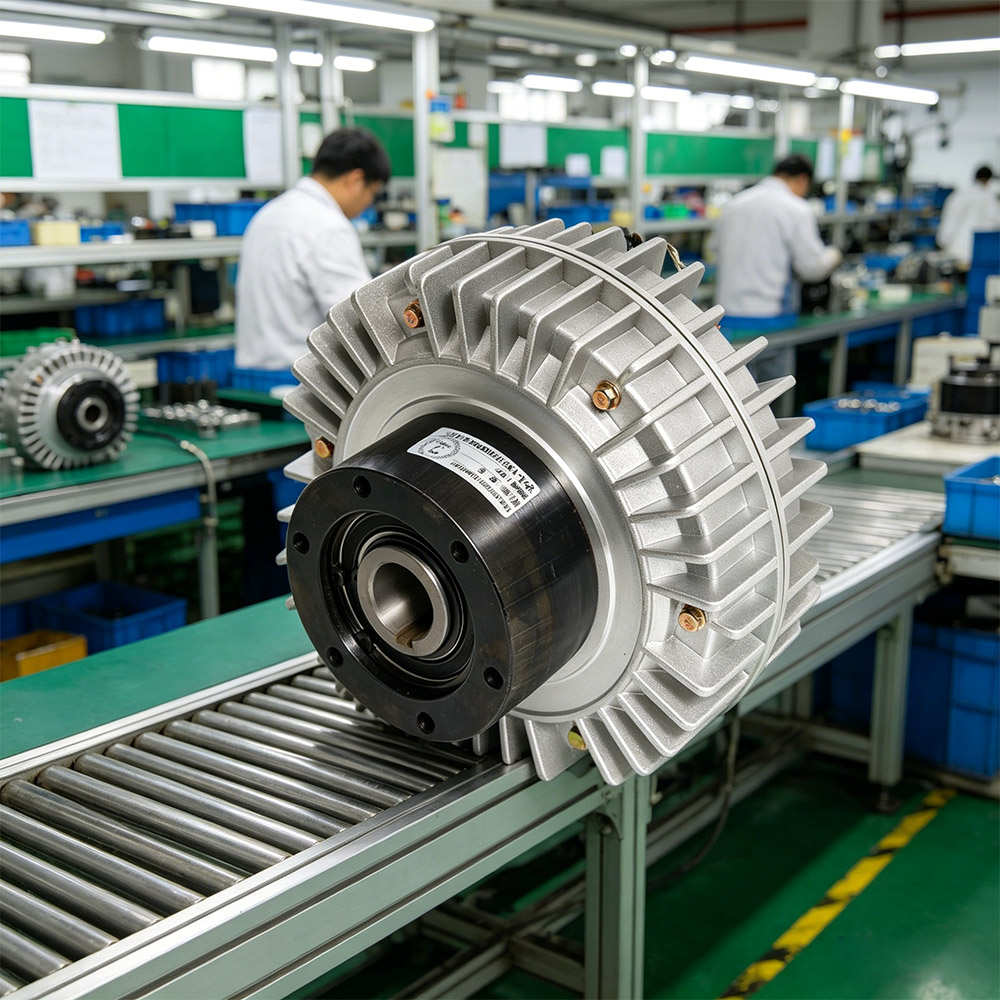
Industrial braking systems generate significant heat during operation, and managing that thermal load is critical to maintaining reliability and extending equipment lifespan. Magnetic powder brake heat dissipation has become an essential consideration for engineers designing high-performance transmission and motion control systems. When magnetic powder brakes operate under continuous or repetitive duty cycles, friction generates intense heat that must be removed efficiently to prevent performance degradation, material fatigue, and premature failure. Understanding the fundamentals of magnetic powder brake heat dissipation allows industrial teams to select appropriate cooling strategies, optimize brake design, and maintain consistent thermal performance across demanding applications.
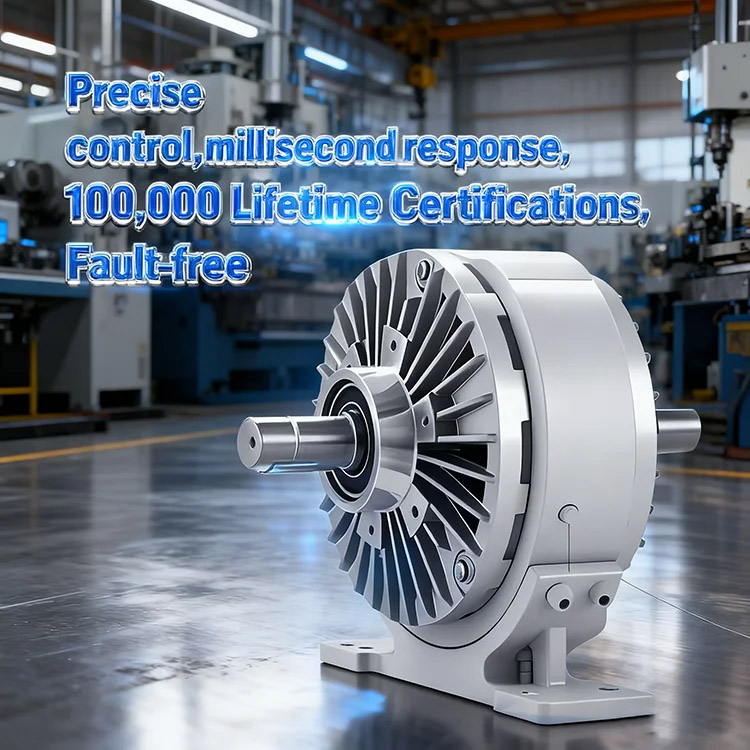
The challenge of managing magnetic powder brake heat dissipation becomes more complex in sealed industrial environments where natural convection is limited. Unlike open-air cooling systems, enclosed machinery requires active thermal management to prevent brake surface temperatures from exceeding safe operating ranges. Modern industrial operations depend on magnetic powder brake heat dissipation solutions that integrate seamlessly with existing equipment while delivering reliable, measurable cooling performance. This article explores the primary thermal challenges, cooling methodologies, and practical approaches that engineers use to maintain optimal operating temperatures and ensure consistent brake function in demanding industrial environments.
Understanding Thermal Challenges in Magnetic Powder Brake Heat Dissipation
Heat Generation Mechanisms
Magnetic powder brake heat dissipation begins with understanding how heat is generated within the brake mechanism. During each braking cycle, the magnetic field energizes ferrous powder particles suspended in the brake chamber, creating friction between rotating and stationary components. This friction directly converts mechanical energy into thermal energy, and the rate of heat generation depends on brake torque, rotational speed, and duty cycle intensity. High-frequency braking applications, such as tension control systems or rapid-cycling motion control equipment, generate heat faster than low-duty operations. Industrial designers must account for these thermal loads when selecting magnetic powder brake heat dissipation strategies to prevent localized temperature spikes that degrade brake performance and material integrity.
Temperature Impact on Brake Performance
Elevated temperatures directly affect magnetic powder brake heat dissipation efficiency and overall system reliability. As brake internal temperatures rise, the magnetic powder carrier fluid viscosity changes, which alters the friction characteristics and braking torque output. Excessive magnetic powder brake heat dissipation demand indicates that brake torque is becoming unstable, reducing the precision required in tension control and positioning applications. Additionally, sustained high temperatures accelerate chemical degradation of the powder carrier fluid, increasing maintenance frequency and reducing the interval between brake overhauls. Understanding this relationship drives the selection of appropriate cooling methods that maintain brake internal temperatures within the manufacturer's specified operating range, typically between 40°C and 60°C for most industrial applications. Proper magnetic powder brake heat dissipation management ensures consistent braking performance, predictable maintenance schedules, and extended equipment life.
Air-Based Magnetic Powder Brake Heat Dissipation Solutions
Compressed Air Cooling Systems
Compressed air cooling represents one of the most effective and widely adopted approaches to magnetic powder brake heat dissipation in industrial environments. Compressed air forced through the brake housing exterior delivers rapid convective cooling without introducing moisture or contaminants that could compromise brake internal seals and performance. Air-cooled magnetic powder brake heat dissipation systems mount pressure nozzles or cooling jackets directly onto the brake body, directing high-velocity air streams across maximum-surface-area cooling fins. The cooling efficiency of compressed air systems depends on air pressure, flow rate, and fin design geometry. Typical installations use 0.6 to 0.8 MPa (6 to 8 bar) compressed air delivered at flow rates between 50 and 150 cubic meters per hour, depending on brake size and duty cycle intensity. This magnetic powder brake heat dissipation method is particularly effective in facilities where compressed air is already available from central pneumatic systems, reducing capital investment and simplifying installation procedures. Many original equipment manufacturers integrate compressed air cooling nozzles into brake mounting assemblies, allowing seamless magnetic powder brake heat dissipation integration without significant modification to existing equipment layouts.
Forced Convection and Fan-Assisted Cooling
When compressed air is not readily available, electric fan-driven forced convection provides reliable magnetic powder brake heat dissipation performance. Fan-assisted cooling systems direct ambient air or pre-cooled air across the brake cooling fins, removing accumulated thermal energy through forced convection. The magnetic powder brake heat dissipation performance of fan systems scales proportionally with fan blade speed and air volume delivery rate. Industrial designers often pair fan cooling with temperature monitoring sensors that modulate fan speed based on real-time brake internal temperature measurements. This responsive approach to magnetic powder brake heat dissipation improves energy efficiency by running fans only when needed, reducing operational costs while maintaining stable brake thermal conditions. Centrifugal and axial-flow fans commonly support magnetic powder brake heat dissipation in stationary manufacturing equipment, robotics systems, and automated material handling installations. The primary advantage of fan-based magnetic powder brake heat dissipation is operational flexibility—fans continue functioning during compressed air shortages or maintenance shutdowns, ensuring brake cooling continuity in mission-critical applications.
Advanced Magnetic Powder Brake Heat Dissipation Thermal Management
Liquid Cooling and Heat Exchanger Integration
Liquid cooling systems represent the most sophisticated approach to magnetic powder brake heat dissipation, particularly in ultra-high-duty applications or space-constrained equipment designs. Water or thermal oil circulated through brake jacket channels removes thermal energy far more efficiently than air-based methods, as liquid thermal conductivity significantly exceeds air thermal conductivity. The magnetic powder brake heat dissipation efficiency of liquid cooling permits operation at higher continuous duty cycles and greater torque outputs while maintaining stable internal temperatures. Heat exchanger units mounted externally to the brake housing transfer thermal energy from the circulating cooling medium to facility cooling water or to standalone chiller units. This advanced magnetic powder brake heat dissipation strategy is common in heavy industrial printing systems, winding equipment, and continuous-duty process control applications where precision and reliability cannot be compromised. Industrial teams implementing liquid-cooled magnetic powder brake heat dissipation must ensure proper fluid selection to prevent internal seal degradation, maintain accurate system pressure regulation, and schedule periodic fluid analysis to monitor coolant condition. Magnetic powder brake heat dissipation systems incorporating liquid cooling typically deliver the longest operational intervals between maintenance events and the most stable braking torque across extended duty cycles.
Thermal Monitoring and Control Integration
Modern magnetic powder brake heat dissipation systems integrate digital temperature sensors and automated control logic to maintain optimal thermal conditions continuously. Thermocouples or resistance temperature detectors installed within the brake housing provide real-time temperature feedback to industrial control systems that modulate cooling airflow, fan speed, or liquid circulation rates. This closed-loop approach to magnetic powder brake heat dissipation prevents thermal overshooting, minimizes energy waste, and provides early warning of cooling system degradation. Predictive maintenance algorithms analyze temperature trend data to identify cooling fan performance decline or blockage in cooling channels before failure occurs. Industrial facilities using advanced magnetic powder brake heat dissipation thermal monitoring can correlate brake temperature patterns with production output, identifying optimization opportunities that improve both product quality and equipment reliability. By implementing thermal management alongside magnetic powder brake heat dissipation infrastructure, manufacturers achieve superior process control while extending brake operational life and reducing maintenance costs.
FAQ
What cooling methods are most suitable for continuous-duty magnetic powder brake applications?
Continuous-duty applications demand the most effective magnetic powder brake heat dissipation solutions available. Compressed air cooling and liquid cooling systems are the primary choices for sustained operations. Compressed air cooling provides excellent performance when high-pressure air is readily available, while liquid cooling delivers superior thermal transfer for ultra-high-duty environments where brake temperatures must remain tightly controlled. The selection between these magnetic powder brake heat dissipation methods depends on facility infrastructure, available utilities, equipment space constraints, and required precision levels. Most manufacturers recommend liquid cooling for applications exceeding 8 hours of continuous daily operation, as this approach ensures the most stable thermal management and longest service intervals.
How does magnetic powder brake heat dissipation affect maintenance scheduling?
Effective magnetic powder brake heat dissipation directly extends the interval between maintenance events by reducing thermal stress on internal components and the powder carrier fluid. Inadequate magnetic powder brake heat dissipation causes accelerated fluid degradation, shortened seal life, and increased mechanical wear, necessitating more frequent inspections and overhauls. Facilities implementing comprehensive magnetic powder brake heat dissipation strategies typically extend brake service intervals by 50 to 100 percent compared to equipment without active thermal management. Thermal monitoring systems further optimize maintenance scheduling by enabling condition-based maintenance rather than fixed-interval replacement, reducing unnecessary downtime and associated labor costs while ensuring brake reliability.
Can passive magnetic powder brake heat dissipation handle high-frequency braking cycles?
Passive magnetic powder brake heat dissipation, relying solely on natural convection and brake housing surface area, is insufficient for most high-frequency braking applications. High-frequency duty cycles generate thermal energy faster than passive dissipation can remove it, resulting in rising brake internal temperatures that degrade braking torque consistency and accuracy. Active magnetic powder brake heat dissipation solutions—compressed air cooling, fan-assisted convection, or liquid cooling—are mandatory for applications requiring more than 10 to 15 braking cycles per minute. Engineers conducting duty cycle analysis must evaluate peak temperature rise rates and select magnetic powder brake heat dissipation methods capable of removing thermal energy at rates matching or exceeding heat generation rates to ensure stable, reliable brake performance throughout the required duty cycle.

