
 EN
EN

An electromagnetic clutch represents a critical component in modern industrial engine drive systems, enabling seamless power transmission control without direct mechanical intervention. When properly integrated into engine drives, an electromagnetic clutch allows operators to engage and disengage load connections instantly, reducing wear on mechanical components and extending overall system lifespan. The electromagnetic clutch operates through electromagnetic force rather than friction alone, making it ideal for applications requiring frequent engagement cycles and precise torque management. Understanding how to integrate an electromagnetic clutch into your industrial engine drives ensures optimal performance, reduced maintenance costs, and enhanced operational flexibility across manufacturing and processing environments.
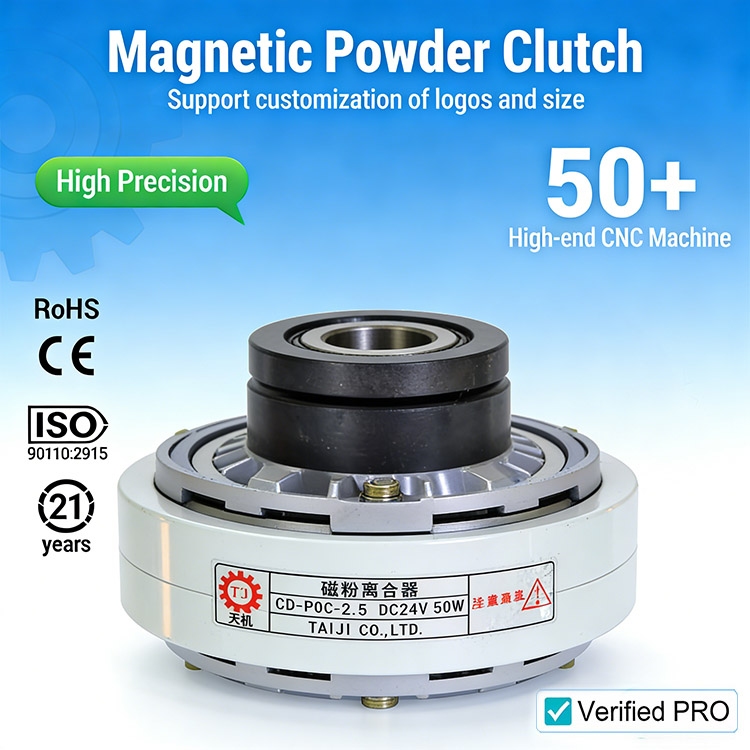
Industrial operations depend on reliable power transmission systems that can handle demanding workloads while maintaining precision and safety. An electromagnetic clutch provides the control mechanism necessary for complex drive applications where traditional mechanical clutches fall short. By selecting the right electromagnetic clutch specifications and following proper integration procedures, manufacturers can achieve significant improvements in efficiency, reduce downtime, and enhance worker safety through automated engagement and disengagement functions.
Core Principles of Electromagnetic Clutch Technology
How Electromagnetic Clutch Systems Function
An electromagnetic clutch operates by energizing an electromagnet coil that generates magnetic force, causing friction plates to engage and transmit torque through the drive system. When voltage is applied to the electromagnetic clutch, the magnetic field pulls the armature toward the coil, pressing the friction surfaces together and creating a mechanical connection between input and output shafts. The electromagnetic clutch engages proportionally to the voltage applied, allowing for smooth and controlled power transmission without shock loading or sudden jerking that characterizes manual clutch systems. This electromagnetic force-based engagement distinguishes the electromagnetic clutch from mechanical friction clutches, providing superior control and faster response times essential in automated industrial environments.
Key Components and Design Elements
A functional electromagnetic clutch assembly includes the electromagnet coil, armature plate, friction disc, spring mechanism, and housing structure. The electromagnetic clutch design must account for thermal dissipation, since magnetic force generation produces heat during engagement cycles. High-quality electromagnetic clutch units feature precision-engineered friction surfaces that minimize slippage while maximizing torque transmission capacity. The electromagnetic clutch housing must remain sturdy and vibration-resistant to prevent misalignment and premature wear of internal components during engine drive operation.
Integration Steps for Industrial Engine Drives
Mechanical Installation and Mounting Procedures
Integrating an electromagnetic clutch into your engine drive system begins with careful shaft alignment and mounting bracket installation. The electromagnetic clutch must be positioned between the engine output shaft and the driven load, with precise concentricity to prevent excessive vibration and uneven wear. During installation, ensure that the electromagnetic clutch mounting bolts are torqued to manufacturer specifications to maintain structural integrity and prevent micro-motion that could degrade performance. Bearing support around the electromagnetic clutch input and output shafts becomes critical for handling radial and axial loads generated during engagement cycles. Proper mounting cushioning protects the electromagnetic clutch from shock loads and extends component lifespan significantly.
Electrical Integration and Control Circuitry
Electrical integration of an electromagnetic clutch requires connecting the coil terminals to a control circuit that manages engagement voltage and timing. The electromagnetic clutch control system must include protective elements such as diodes, resistors, and surge suppressors to prevent coil damage from voltage spikes during switching operations. Many industrial applications employ solid-state controllers or programmable logic controllers to automate electromagnetic clutch engagement based on operational parameters and load conditions. The electromagnetic clutch wiring must use appropriately rated conductors and be routed away from high-voltage power lines to prevent electromagnetic interference. Testing the electromagnetic clutch electrical circuit under load conditions ensures safe, reliable operation before full deployment in production environments.
Performance Optimization and Practical Considerations
Torque Capacity Matching and Load Analysis
Selecting an electromagnetic clutch with adequate torque capacity requires detailed analysis of peak loads, acceleration requirements, and duty cycles within your engine drive system. The electromagnetic clutch must transmit the maximum torque generated by the engine without slipping, yet remain small enough to fit within spatial constraints of the drive installation. Thermal analysis determines whether an electromagnetic clutch in your application requires active cooling or can operate with passive heat dissipation through the housing structure. Undersizing the electromagnetic clutch leads to slippage and overheating, while oversizing increases cost and complexity unnecessarily. Consulting manufacturer performance curves allows engineers to match the electromagnetic clutch specification precisely to application demands.
Maintenance, Troubleshooting, and Operational Best Practices
Regular inspection of the electromagnetic clutch friction surfaces maintains consistent engagement characteristics and prevents gradual performance degradation. Checking the electromagnetic clutch coil resistance and testing engagement response times during scheduled maintenance reveals developing problems before complete failure occurs. The electromagnetic clutch air gap must remain within tight tolerances; increased gaps reduce magnetic force and cause engagement hesitation or complete failure to transmit load. Monitoring the electromagnetic clutch operating temperature prevents overheating conditions that degrade friction material and shorten component life. Environmental factors such as dust, moisture, and vibration exposure should inform maintenance schedules and protective measures around the electromagnetic clutch installation.
FAQ
What voltage specifications should I use when integrating an electromagnetic clutch into my engine drive system?
Voltage requirements depend entirely on the specific electromagnetic clutch model selected for your application. Most industrial electromagnetic clutch units operate at either 24 volts DC, 110 volts DC, or 240 volts AC, with 24 volt DC being most common in automated manufacturing environments. Always verify the electromagnetic clutch nameplate rating before designing your control circuit, and ensure your power supply can deliver the maximum inrush current during engagement. Using incorrect voltage damages the electromagnetic clutch coil and creates safety hazards through potential component failure or electrical fire risk.
How do I know if my electromagnetic clutch is slipping during operation?
Excessive heat generation indicates that your electromagnetic clutch is slipping and not transmitting full torque efficiently. Listening for squealing or grinding sounds from the electromagnetic clutch area, combined with reduced drive output compared to engine input, confirms slippage conditions. Temperature sensors mounted near the electromagnetic clutch housing provide quantitative data on operating temperatures; sustained temperatures above manufacturer specifications indicate engagement problems. Using a tachometer to compare input and output shaft speeds reveals whether the electromagnetic clutch is losing grip on the load during operation, allowing you to address the issue before complete failure occurs.
Can an electromagnetic clutch operate in harsh industrial environments with dust and moisture exposure?
Yes, industrial-grade electromagnetic clutch units are designed for harsh environments when properly sealed and protected. Specifying an electromagnetic clutch with sealed bearings, stainless steel fasteners, and protective bellows around the coil connections prevents dust and moisture infiltration. Regular cleaning and inspection of the electromagnetic clutch external surfaces maintains seal integrity and prevents corrosion of electrical contacts. Applying protective coatings and housing the electromagnetic clutch within protective shrouds further extends service life in challenging environments like textile mills, food processing plants, and metal fabrication facilities.

