
 EN
EN
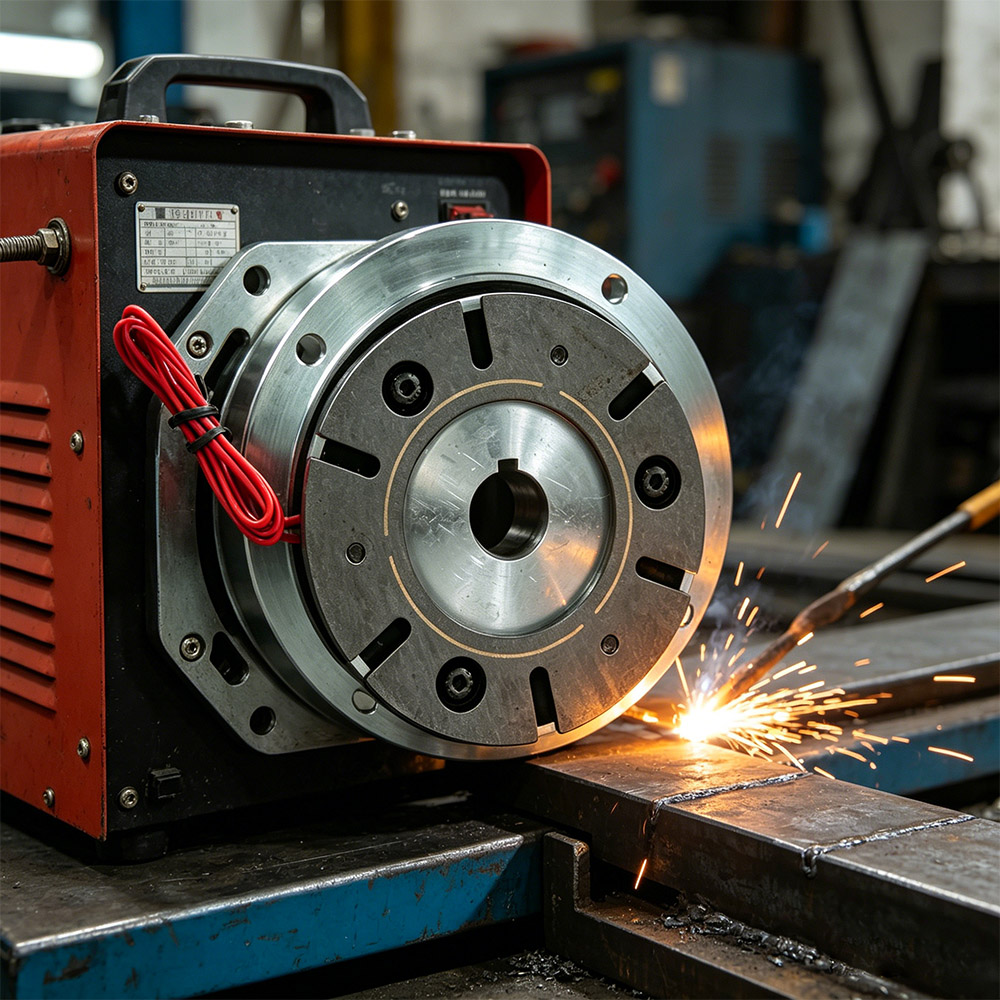
Electromagnetic brake integration in CNC machines represents a significant advancement in manufacturing technology, delivering enhanced safety, precision, and operational efficiency to industrial facilities worldwide. Modern CNC machining demands absolute reliability and control, and electromagnetic brake integration in CNC machines provides the critical fail-safe mechanisms necessary for high-performance production environments. Understanding the full scope of electromagnetic brake integration in CNC machines helps manufacturers optimize their operations and protect both equipment and personnel.
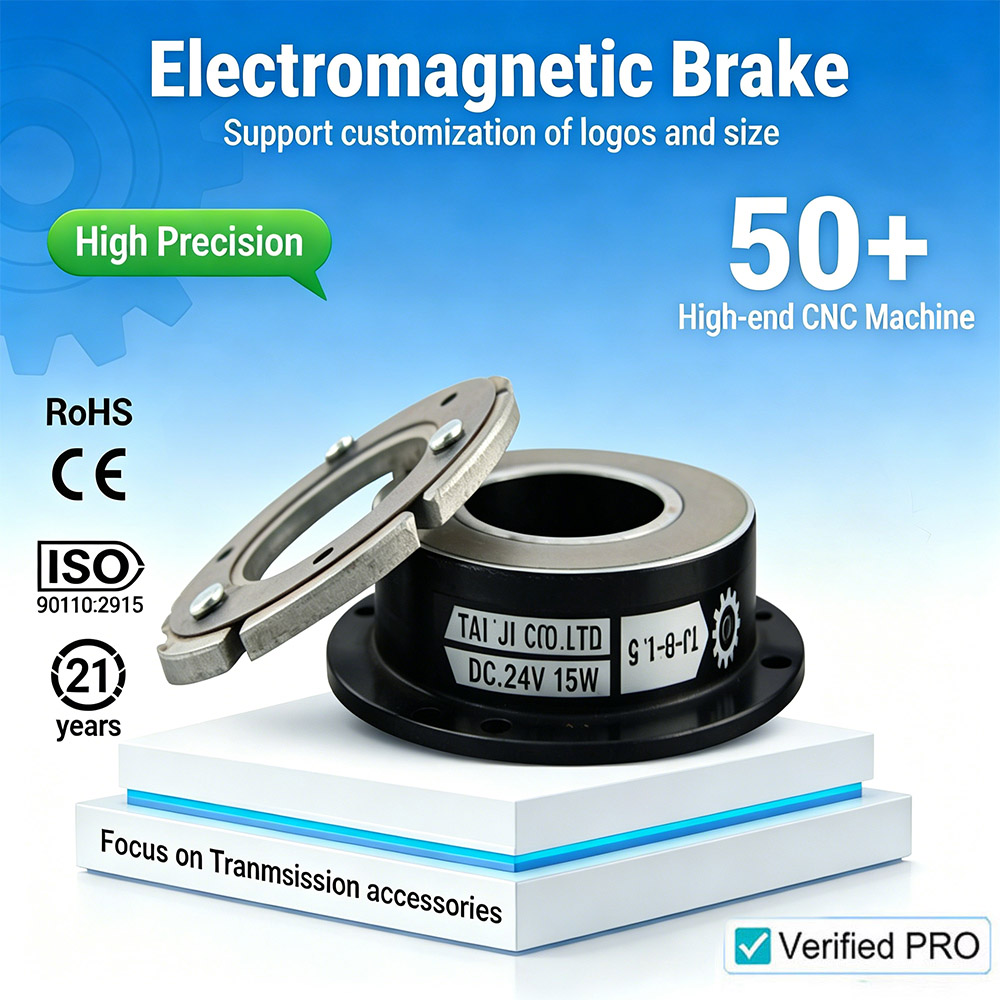
The integration of electromagnetic braking systems into CNC machinery has transformed how operators manage tool changers, spindle systems, and rapid axis movements. Electromagnetic brake integration in CNC machines ensures immediate stopping capability during emergency conditions, power loss, or maintenance procedures, creating a safety-first manufacturing culture. This technology has become essential for facilities managing high-speed operations, complex multi-axis movements, and precision-critical applications.
Safety and Emergency Stopping Capabilities
Immediate Response During Power Loss
One of the primary advantages of electromagnetic brake integration in CNC machines is the immediate holding force that activates when power is lost or during emergency shutdown situations. Unlike traditional mechanical brakes that require manual engagement, electromagnetic brake integration in CNC machines provides instantaneous response times measured in milliseconds, preventing uncontrolled spindle rotation or axis drift. When a CNC machine experiences unexpected power interruption, electromagnetic brake integration in CNC machines automatically engages the brake springs, holding the spindle or tool assembly in its current position until power is restored and normal operations can resume safely.
Personnel Protection and Accident Prevention
Personnel safety remains paramount in industrial manufacturing environments, and electromagnetic brake integration in CNC machines directly contributes to accident prevention through fail-safe design principles. Operators working near running machinery face potential injury from unexpected spindle rotation or uncontrolled axis movement, but electromagnetic brake integration in CNC machines eliminates these risks through automatic engagement during emergencies. The fail-safe nature of electromagnetic brake integration in CNC machines means that any power loss automatically applies the braking force, protecting workers and preventing costly injuries that could interrupt production schedules.
Precision Control and Positioning Accuracy
Maintaining Exact Tool Positioning
Precision manufacturing requires absolute positioning accuracy throughout the machining process, and electromagnetic brake integration in CNC machines delivers the holding force necessary to maintain exact tool positions between cutting operations. When CNC machines execute rapid tool changes or axis repositioning, electromagnetic brake integration in CNC machines prevents micro-movements that could compromise dimensional accuracy in finished parts. The instantaneous locking capability of electromagnetic brake integration in CNC machines ensures that tools remain perfectly positioned during hold-and-release sequences, allowing machinists to achieve tolerances within microns of specification.
Reducing Drift and Backlash Issues
Gravity-induced drift and mechanical backlash create significant challenges in vertical machining applications and multi-axis operations, particularly when tool changers or work-holding devices must remain suspended between operations. Electromagnetic brake integration in CNC machines eliminates these problems by applying constant holding torque that counteracts gravitational forces and mechanical play within the system. This feature becomes especially valuable in automotive manufacturing, aerospace component production, and medical device fabrication, where even minute positioning errors can render entire batches of parts unusable.
Operational Efficiency and Production Reliability
Reducing Maintenance Downtime
Manufacturing facilities depend on continuous machine availability to meet production deadlines and customer commitments, making electromagnetic brake integration in CNC machines a valuable reliability investment. Traditional mechanical brakes require regular adjustment and maintenance, often necessitating machine shutdown and skilled technician intervention. Electromagnetic brake integration in CNC machines operates without mechanical wear on brake surfaces, significantly extending maintenance intervals and reducing unplanned downtime. The integrated electromagnetic brake integration in CNC machines design minimizes service requirements while maintaining consistent braking performance throughout the machine's operational lifetime.
Enhancing Tool Changer Performance
Automatic tool changers represent critical speed components in modern CNC operations, and electromagnetic brake integration in CNC machines optimizes their performance by ensuring stable tool positioning during rapid exchange sequences. When tool magazines rotate and positioning arms extend to retrieve cutting tools, electromagnetic brake integration in CNC machines holds the spindle absolutely still, preventing any interference between rotating elements. This precise coordination between electromagnetic brake integration in CNC machines and tool changer mechanisms enables faster cycle times, reducing production costs while maintaining consistent part quality across large manufacturing runs.
Supporting High-Speed Operations
Contemporary CNC machines operate at spindle speeds exceeding 15,000 RPM, creating significant inertial forces that standard mechanical systems struggle to control safely. Electromagnetic brake integration in CNC machines provides the rapid deceleration capability necessary to bring high-speed spindles to complete rest within controlled timeframes, protecting machine components and ensuring operator safety. The electromagnetic brake integration in CNC machines technology enables manufacturers to exploit higher operational speeds while maintaining absolute control over machine dynamics, directly contributing to shorter cycle times and increased overall equipment effectiveness.
Technical Implementation and System Integration
Compatibility with CNC Control Systems
Modern electromagnetic brake integration in CNC machines designs feature seamless compatibility with existing CNC control systems, requiring minimal modifications to machine wiring or programming logic. Industrial manufacturers can retrofit existing machines with electromagnetic brake integration in CNC machines or specify this feature during new machine procurement, depending on their specific operational requirements and budget considerations. The straightforward integration of electromagnetic brake integration in CNC machines with standard industrial control architectures means that facilities can implement this technology without expensive system redesigns or extended installation timelines.
Maintenance and Longevity Considerations
Electromagnetic brake integration in CNC machines typically operates for thousands of hours without requiring component replacement or performance degradation, as electromagnetic systems avoid the wear mechanisms inherent in mechanical brake friction materials. Occasional inspection and dust prevention measures constitute the primary maintenance requirements for electromagnetic brake integration in CNC machines, allowing machinists to focus on production rather than brake system troubleshooting. When electromagnetic brake integration in CNC machines finally requires replacement after extended service life, standardized components ensure quick installation and minimal production disruption.
FAQ
What are the primary safety benefits of electromagnetic brake integration in CNC machines?
Electromagnetic brake integration in CNC machines provides immediate fail-safe stopping capability during power loss or emergency situations, preventing uncontrolled spindle rotation that could injure operators. The instantaneous response time of electromagnetic brake integration in CNC machines, measured in milliseconds, ensures that tools and work-holding devices remain securely positioned whenever unexpected power interruption occurs, protecting both personnel and valuable equipment from potential damage.
How does electromagnetic brake integration in CNC machines improve positioning precision?
Electromagnetic brake integration in CNC machines eliminates gravity-induced drift and micro-movements between cutting operations by maintaining constant holding torque on the spindle or tool assembly. This precision control capability enables machinists to achieve dimensional tolerances within microns of specification, particularly valuable in industries like aerospace and medical device manufacturing where absolute accuracy directly determines part acceptance rates.
What maintenance requirements does electromagnetic brake integration in CNC machines involve?
Electromagnetic brake integration in CNC machines requires minimal maintenance compared to traditional mechanical brakes, typically involving only periodic inspection and dust prevention measures. The electromagnetic system avoids friction-based wear, resulting in extended service intervals and reduced downtime, allowing manufacturing facilities to maximize machine availability while maintaining consistent braking performance throughout the system's operational lifetime.

