Electric Disk Brakes: Advanced Braking Technology for Modern Vehicles | Superior Performance & Safety

All Categories

electric disk brakes

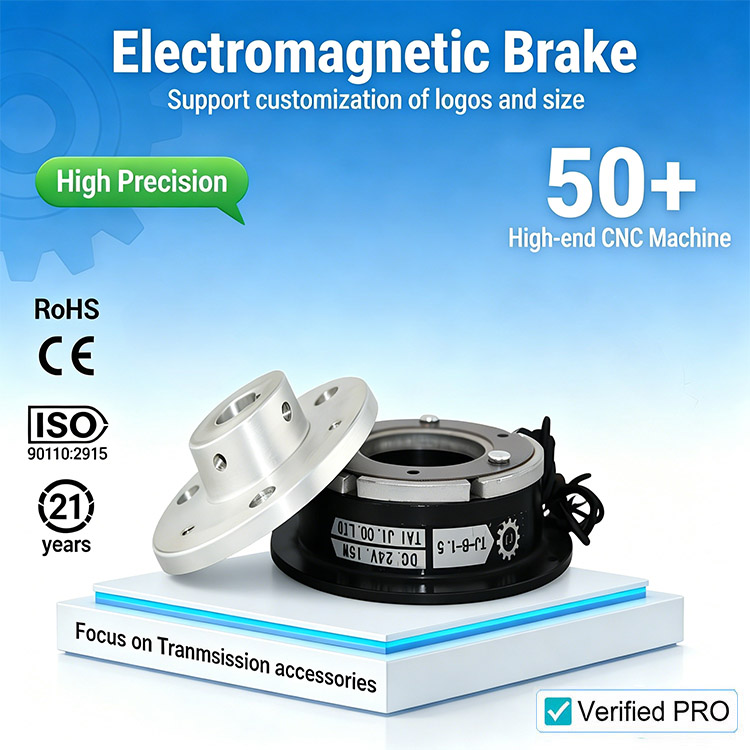
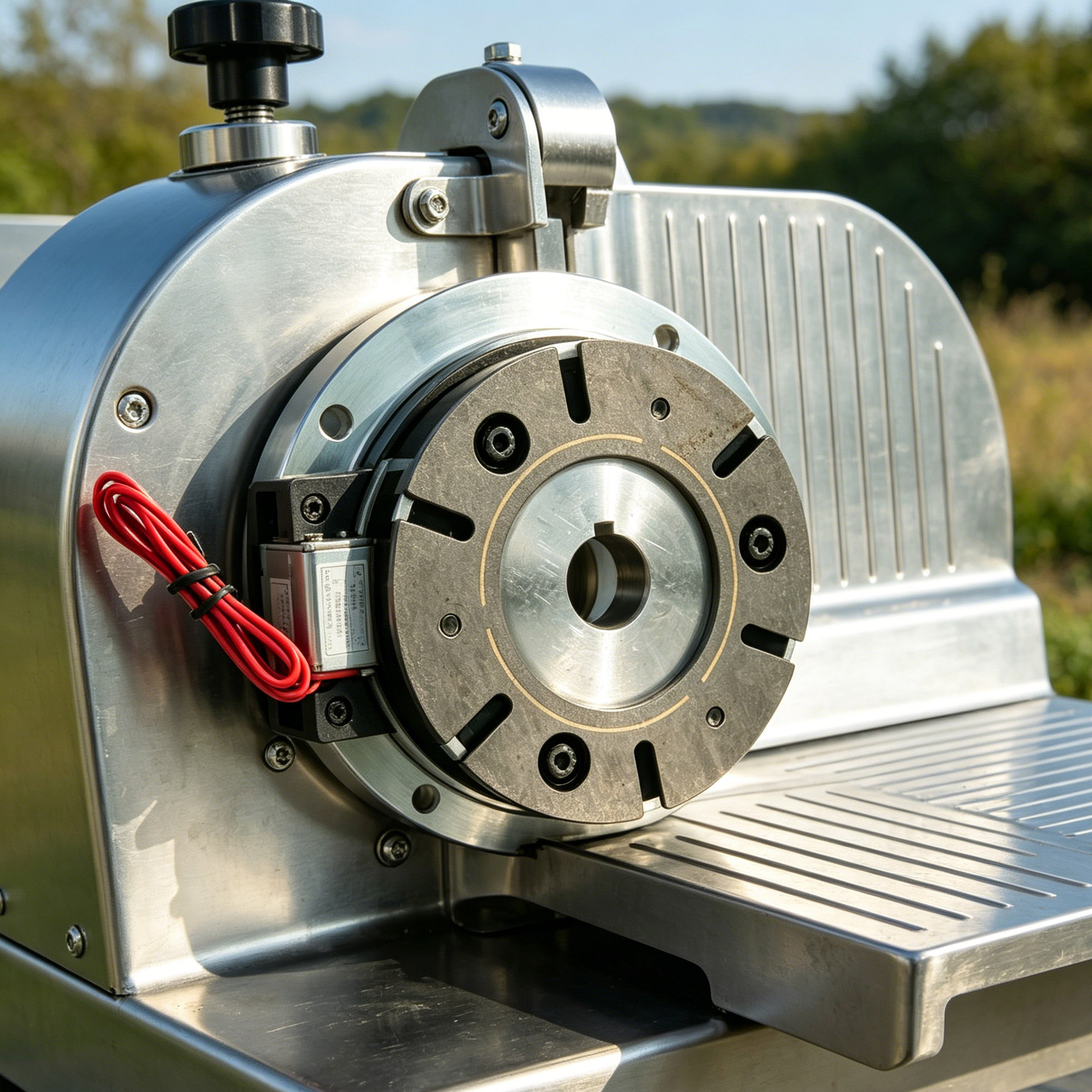
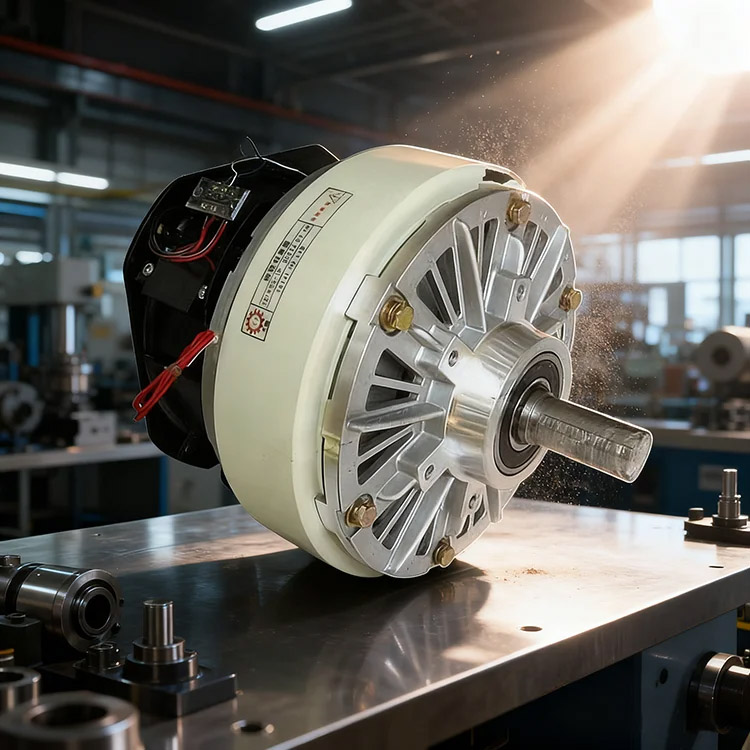
Electric disk brakes represent a revolutionary advancement in modern braking technology, combining precision electronic control with the reliable stopping power of traditional disk brake systems. These sophisticated braking mechanisms utilize electric motors and actuators to apply braking force, replacing conventional hydraulic or pneumatic systems with electronically controlled components. The main functions of electric disk brakes include providing smooth, responsive stopping power, enabling precise control over braking force distribution, and integrating seamlessly with advanced vehicle safety systems. At the core of their technological features lies an electric motor that activates the brake calipers through a sophisticated gear mechanism, translating electronic signals into mechanical force with exceptional accuracy. The system incorporates intelligent sensors that continuously monitor brake pad wear, temperature, and performance metrics, transmitting real-time data to the vehicle's central control unit. This integration allows electric disk brakes to work harmoniously with anti-lock braking systems, electronic stability control, and regenerative braking in hybrid and electric vehicles. The applications of electric disk brakes span multiple industries and vehicle types, from passenger cars and commercial trucks to high-performance sports vehicles and electric mobility solutions. In the automotive sector, these braking systems are increasingly popular in electric and hybrid vehicles where they complement regenerative braking systems to maximize energy efficiency. They also find extensive use in autonomous vehicle platforms where precise, computer-controlled braking is essential for safe operation. Industrial applications include robotics, automated guided vehicles, and material handling equipment where accurate stopping control is critical. The aerospace industry has begun exploring electric disk brakes for aircraft landing gear systems, while railway applications benefit from their reduced maintenance requirements and improved reliability compared to traditional braking technologies.

Popular Products

The advantages of electric disk brakes extend far beyond simple stopping power, offering numerous practical benefits that directly impact vehicle performance, safety, and ownership costs. First and foremost, these systems deliver exceptional responsiveness, with electronic actuation enabling brake engagement in milliseconds compared to traditional hydraulic systems. This rapid response time can significantly reduce stopping distances in emergency situations, potentially preventing accidents and saving lives. The precision control offered by electric disk brakes allows for more consistent braking performance across various driving conditions, whether navigating wet roads, steep descents, or high-speed highways. Vehicle owners benefit from substantially reduced maintenance requirements since electric disk brakes eliminate hydraulic fluid, which traditionally requires periodic replacement and can leak over time. Without hydraulic lines, there are fewer components that can fail or require servicing, translating to lower maintenance costs and reduced vehicle downtime. The system's integrated diagnostic capabilities provide early warning of potential issues, allowing drivers to address problems before they become serious safety concerns. Energy efficiency represents another compelling advantage, particularly in electric and hybrid vehicles where electric disk brakes work synergistically with regenerative braking systems to recover energy during deceleration and extend driving range. The smooth, progressive braking force application enhances passenger comfort by eliminating the jerky stops sometimes associated with traditional systems. Weight reduction is an often overlooked benefit, as eliminating hydraulic components, fluid reservoirs, and associated hardware can reduce overall vehicle weight, improving fuel economy and performance. Environmental advantages include the elimination of hydraulic fluid disposal concerns and reduced brake dust emissions compared to conventional systems. The modular design of electric disk brakes simplifies installation and replacement procedures, reducing labor costs during servicing. Advanced features such as automatic parking brake function, hill-hold assist, and customizable braking profiles provide added convenience and safety without requiring additional components. For fleet operators, the extended service intervals and predictive maintenance capabilities result in improved operational efficiency and reduced total cost of ownership. The consistent performance characteristics of electric disk brakes across their service life ensure reliable stopping power from installation through end-of-life, without the performance degradation sometimes experienced with hydraulic systems as seals wear and fluid ages.

Tips And Tricks

Transmission Pain Points in Printing/Textile/Chemical Machinery: How Electromagnetic Clutches Improve Equipment Stability?

08

Dec

Transmission Pain Points in Printing/Textile/Chemical Machinery: How Electromagnetic Clutches Improve Equipment Stability?

Struggling with transmission instability in printing, textile, or chemical machinery? TJ-A electromagnetic clutches eliminate slip, boost throughput 15–20%, and ensure asbestos-free safety. Discover how top global manufacturers achieve 99.8% reliability—request a spec sheet today.
View More
High-Quality Web Guide Control Systems From a Leading Domestic Manufacturer With 20 Years of Expertise

08

Dec

High-Quality Web Guide Control Systems From a Leading Domestic Manufacturer With 20 Years of Expertise

Discover high-precision web guide control systems from a trusted domestic manufacturer with 20 years of R&D expertise. Reduce waste, boost efficiency, and ensure reliability. Request a quote today.
View More
The Pain of Non-Standard Transmission in Special Working Conditions

09

Apr

The Pain of Non-Standard Transmission in Special Working Conditions

Struggling with standard transmission failures in extreme temps, dust, or tight spaces? TianJi’s 20-year R&D delivers reliable custom clutches & brakes—engineered for your exact specs. Get a free technical consultation today.
View More

Get Your Custom Quote

Tell us your requirements and get a tailored solution for your project.
Name
Mobile
Email
Please include
Message
0/1000

electric disk brakes

Intelligent Electronic Control for Superior Safety and Performance

Intelligent Electronic Control for Superior Safety and Performance

The intelligent electronic control system at the heart of electric disk brakes represents a fundamental leap forward in braking technology, offering unprecedented levels of safety and performance optimization that traditional braking systems simply cannot match. This sophisticated control architecture employs multiple sensors, processors, and actuators working in concert to deliver precise, instantaneous braking response tailored to current driving conditions. The electronic control unit continuously processes data from wheel speed sensors, brake temperature monitors, pad wear indicators, and vehicle dynamics sensors to calculate the optimal braking force for each individual wheel. This real-time analysis happens thousands of times per second, enabling the system to adapt to changing road surfaces, load conditions, and driver inputs with remarkable accuracy. When emergency braking is detected, the system can apply maximum stopping force faster than humanly possible while automatically modulating pressure to prevent wheel lockup and maintain vehicle stability. The integration capabilities of electric disk brakes with modern vehicle safety systems create a comprehensive safety network that actively works to prevent accidents. Communication with electronic stability control systems allows coordinated intervention during loss-of-traction scenarios, where strategic brake application to individual wheels can help restore vehicle control. The precision of electric disk brakes enables more sophisticated anti-lock braking algorithms that can pulse brake pressure at higher frequencies than hydraulic systems, maintaining optimal tire slip ratios for maximum stopping power across diverse surfaces from ice to gravel to dry pavement. For vehicles equipped with adaptive cruise control and collision avoidance systems, electric disk brakes provide the rapid, graduated response necessary for smooth autonomous braking interventions. The programmable nature of electronic control allows customization of braking characteristics to suit different driving preferences or vehicle loading conditions, with some systems offering driver-selectable modes for sport, comfort, or efficiency-focused braking behavior. Diagnostic capabilities embedded within the control system continuously monitor component health, detecting anomalies such as uneven pad wear, excessive temperature, or actuator performance degradation before they compromise braking effectiveness, alerting drivers through dashboard warnings and storing detailed fault codes that streamline troubleshooting during service visits.
Maintenance-Free Operation and Long-Term Cost Savings

Maintenance-Free Operation and Long-Term Cost Savings

One of the most compelling advantages of electric disk brakes from a practical ownership perspective is their remarkably low maintenance requirements, which translate directly into substantial cost savings and reduced vehicle downtime over the system's operational lifetime. Unlike conventional hydraulic brake systems that rely on fluid pressure transmitted through lines, hoses, and seals that inevitably degrade over time, electric disk brakes utilize sealed electric motors and mechanical actuators that require virtually no periodic servicing. The elimination of hydraulic fluid removes an entire category of maintenance concerns including fluid contamination, moisture absorption that reduces boiling point, fluid leakage at connections and seals, and the environmental disposal challenges associated with used brake fluid. Vehicle owners no longer face the recurring expense and inconvenience of brake fluid flushes typically recommended every two to three years for hydraulic systems. The sealed design of electric disk brake actuators protects internal components from environmental contaminants such as road salt, dirt, and water that can compromise hydraulic system integrity, resulting in longer component life and more consistent performance throughout the service interval. Brake pad wear monitoring integrated into the electronic control system provides precise, real-time feedback on remaining pad thickness, eliminating guesswork and allowing owners to schedule pad replacement at truly optimal intervals rather than conservative preventive timelines. This intelligent monitoring prevents both premature replacement of serviceable pads and the safety risks associated with excessively worn pads, optimizing both safety and economic efficiency. The modular architecture of electric disk brakes simplifies replacement procedures when service is eventually required, with actuator assemblies designed for quick removal and installation without the need to bleed hydraulic lines or perform complex adjustment procedures. This design philosophy reduces labor time during service visits, lowering overall maintenance costs even when component replacement becomes necessary. Fleet operators particularly benefit from the extended service intervals and predictive maintenance capabilities, as reduced downtime for brake service directly improves vehicle utilization rates and operational efficiency. The elimination of hydraulic system failures such as master cylinder degradation, caliper seizure due to corrosion, or sudden brake line rupture enhances overall system reliability and reduces the risk of unexpected brake system failures that could strand vehicles or compromise safety.
Seamless Integration with Electric and Autonomous Vehicle Technologies

Seamless Integration with Electric and Autonomous Vehicle Technologies

Electric disk brakes have emerged as the ideal braking solution for the next generation of vehicle technologies, offering seamless integration with electric powertrains, regenerative braking systems, and autonomous driving platforms in ways that conventional hydraulic brakes cannot match. In electric and hybrid vehicles, the synergy between electric disk brakes and regenerative braking systems creates an optimized energy management ecosystem that maximizes driving range while maintaining excellent stopping performance. The electronic control architecture allows sophisticated blending algorithms that seamlessly coordinate regenerative braking force from electric motors with friction braking from the disk brakes, creating smooth, consistent pedal feel while recovering maximum energy during deceleration. This intelligent blending happens transparently to the driver, with the control system automatically adjusting the proportion of regenerative versus friction braking based on battery state of charge, brake temperature, vehicle speed, and required deceleration rate. When batteries are fully charged and cannot accept regenerative current, electric disk brakes smoothly assume full braking responsibility without any perceptible change in pedal behavior or stopping performance. The rapid response time and precise force modulation of electric disk brakes prove essential for autonomous vehicle applications where computer systems must execute braking maneuvers without human intervention. Self-driving platforms require brake systems capable of receiving digital commands and executing them with absolute precision and repeatability, characteristics that electric disk brakes deliver through their inherently digital control architecture. The elimination of hydraulic lag and the ability to independently control braking force at each wheel enable autonomous systems to perform sophisticated stability management and emergency collision avoidance maneuvers that would be impossible with conventional braking technology. Vehicle-to-vehicle and vehicle-to-infrastructure communication systems planned for future smart transportation networks can leverage the rapid response of electric disk brakes for coordinated braking among multiple vehicles, potentially enabling closer vehicle spacing and improved traffic flow on highways. The comprehensive diagnostic data generated by electric disk brake systems provides valuable information for predictive maintenance algorithms in connected vehicle platforms, allowing remote monitoring of brake system health across entire fleets and enabling proactive service scheduling before issues affect vehicle availability.
email goToTop