
 EN

A web guide system is essential for maintaining accuracy and consistency in coating machine operations. Proper web guide system configuration directly impacts the quality of finished products, reduces material waste, and ensures smooth production workflows. In industries ranging from textiles to packaging, a reliable web guide system prevents costly misalignments that can compromise coating application and product durability. Understanding how to optimize your web guide system can transform operational efficiency and significantly improve your bottom line.
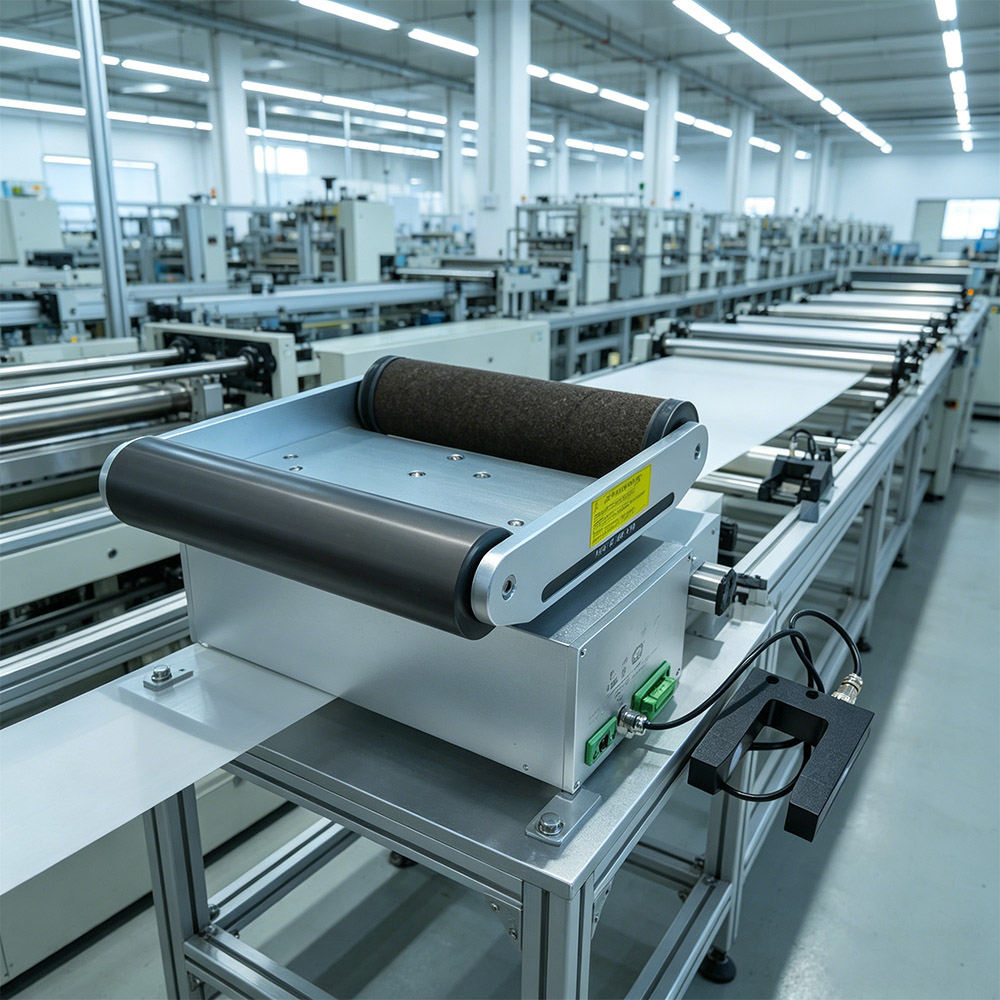
The performance of your web guide system depends on multiple interconnected factors including sensor placement, feedback response time, mechanical alignment, and control system calibration. Modern web guide system technologies now incorporate advanced servo mechanisms and edge position control sensors that continuously monitor material movement and make real-time adjustments. This proactive approach to web guide system management has revolutionized how manufacturers approach coating uniformity and production uptime. Implementing these optimization strategies requires technical understanding and proper equipment integration.
Core Components of Web Guide System Performance
Sensor Technology and Positioning
The heart of any effective web guide system lies in its sensor array and positioning accuracy. Modern web guide system sensors detect even minute deviations from the desired center line, typically within millimeters of precision. These sensors communicate continuously with the control unit, allowing the web guide system to make thousands of micro-adjustments per minute. Proper sensor placement ensures that your web guide system captures accurate data throughout the material path, preventing cascading errors that compound over time. High-quality sensors in a web guide system reduce false signals and minimize unnecessary mechanical corrections that waste energy.
Servo Mechanism Integration
Servo-based web guide system designs offer superior responsiveness compared to mechanical alternatives. A servo-driven web guide system can adjust positioning in milliseconds, providing immediate correction before material drift becomes problematic. The precision of a web guide system equipped with servo technology translates directly into consistent coating thickness, reduced edge defects, and higher first-pass quality rates. Integration of servo components within your web guide system architecture requires careful calibration and regular maintenance to sustain optimal performance across production runs.
Optimization Strategies for Coating Machine Efficiency
Real-Time Adjustment and Feedback
Implementing continuous feedback loops within your web guide system enables real-time correction without manual operator intervention. A responsive web guide system monitors edge position data and adjusts pneumatic or servo actuators to keep material perfectly centered. This active approach to web guide system control prevents the buildup of minor positioning errors that eventually compromise coating quality. Advanced web guide system setups integrate predictive algorithms that anticipate material drift based on historical patterns, allowing preemptive adjustments before visible problems occur. The efficiency gains from a well-tuned web guide system often justify the initial investment within the first year of operation.
Material Variability and Adaptive Control
Different materials behave differently as they pass through coating processes, and your web guide system must adapt accordingly. A flexible web guide system accommodates variations in material thickness, tension, and thermal expansion without losing accuracy. Modern web guide system technology includes adaptive algorithms that learn material behavior and adjust sensitivity parameters automatically. This intelligent approach to web guide system management reduces operator involvement and minimizes quality variance across different batch runs. Manufacturers using adaptive web guide system technology report significant improvements in consistency metrics and reduction in material scrap rates.
Implementation and Maintenance of Web Guide Systems
Installation and Calibration Best Practices
Proper installation of your web guide system establishes the foundation for long-term success. During web guide system setup, precise alignment of sensors, actuators, and mechanical components is critical to avoid systematic errors. A newly installed web guide system requires careful calibration using reference materials and test runs before full production deployment. Professional technicians typically spend significant time ensuring that the web guide system baseline is accurate, as small installation errors can cascade into major accuracy problems during operation. Regular verification checks during production help maintain web guide system calibration and catch drift before it affects product quality.
Preventive Maintenance and Troubleshooting
Sustaining web guide system performance requires ongoing maintenance and proactive monitoring of key indicators. Dust, debris, and material buildup can accumulate on web guide system sensors, degrading their sensitivity over time. Scheduled cleaning and inspection routines keep your web guide system operating at peak efficiency and extend equipment lifespan. Common web guide system issues such as slow response times, oscillation, or offset drift often signal problems with sensor calibration or servo alignment that require professional attention. Maintaining detailed logs of web guide system performance metrics helps identify emerging problems before they disrupt production. A well-maintained web guide system typically outperforms a neglected system by significant margins in both accuracy and reliability.
Benefits of Optimized Web Guide Systems in Coating Operations
Quality Enhancement and Consistency
An optimized web guide system ensures uniform coating application across the entire material width, eliminating edge defects and thin spots. Consistent performance from your web guide system translates into higher customer satisfaction and fewer returned products. The precision afforded by a modern web guide system reduces rework requirements and improves overall first-pass yield rates. Industries relying on precise coating thickness specifications, such as advanced textiles or specialty papers, depend critically on web guide system accuracy to meet strict standards. Organizations that prioritize web guide system optimization gain competitive advantages through superior product consistency and reliability.
Operational Efficiency and Cost Reduction
Implementing an effective web guide system minimizes material waste by preventing coating defects and misalignment-related scrap. Reduced downtime from web guide system-related issues means more productive machine hours and higher throughput. Energy consumption often decreases with an optimized web guide system because fewer corrections and adjustments are needed during normal operation. The financial impact of upgrading to a high-performance web guide system includes lower material costs, reduced energy bills, and decreased maintenance expenses. Companies that have invested in advanced web guide system technology frequently recover their investment within 12 to 24 months through improved operational efficiency.
FAQ
What makes a web guide system critical for coating machine success?
A web guide system maintains precise material centering during coating application, ensuring uniform coverage and preventing defects. Without a reliable web guide system, edge misalignment causes coating thickness variation, product waste, and customer returns. The web guide system directly influences both the quality of finished products and the profitability of coating operations, making it a core component of modern manufacturing systems.
How often should a web guide system be serviced and recalibrated?
Web guide system maintenance schedules depend on production intensity and material types, but typically include quarterly inspections and annual recalibration. Sensors should be cleaned monthly to prevent buildup that degrades web guide system sensitivity. Some facilities with high-demand operations may need to service their web guide system more frequently. Monitoring performance data and trending reports helps determine optimal web guide system maintenance intervals for your specific operational context.
Can a web guide system work with different material types and thicknesses?
Modern web guide system designs include adaptive features that accommodate varying material properties. An advanced web guide system can adjust sensor sensitivity and response parameters automatically based on material characteristics. This flexibility makes a web guide system valuable across diverse manufacturing environments, from thin films to heavy textiles, supporting multiple production scenarios with minimal manual reconfiguration.

