
 EN
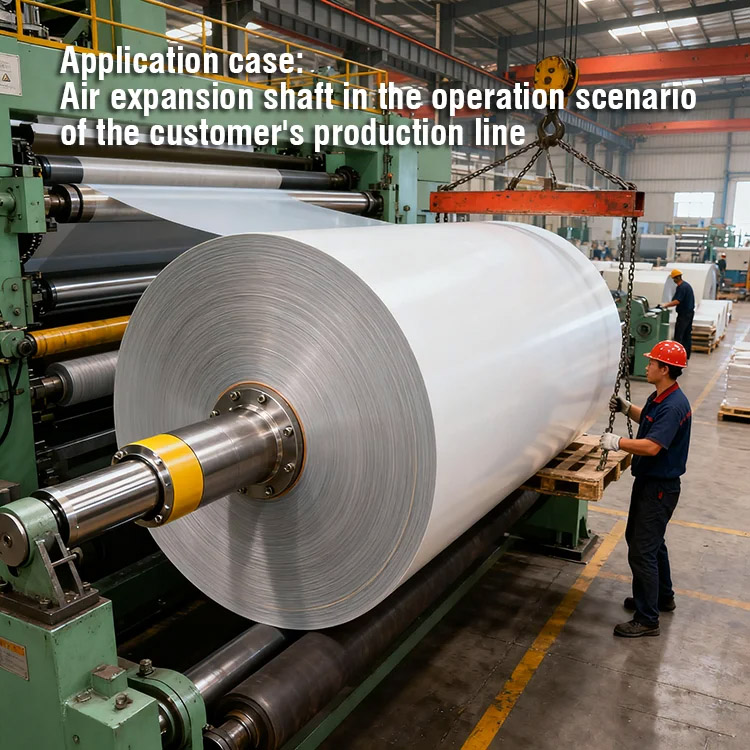
Choosing the right air shaft for heavy load applications requires understanding the fundamental differences between leaf type and lug type designs. Both configurations serve critical roles in industrial machinery, yet each delivers distinct advantages depending on operational demands, load characteristics, and environmental conditions. An air shaft is an inflatable mandrel that expands when pressurized to grip, hold, or position materials during manufacturing and processing. The choice between leaf type and lug type air shaft solutions directly impacts production efficiency, maintenance costs, and equipment longevity in demanding industrial environments.
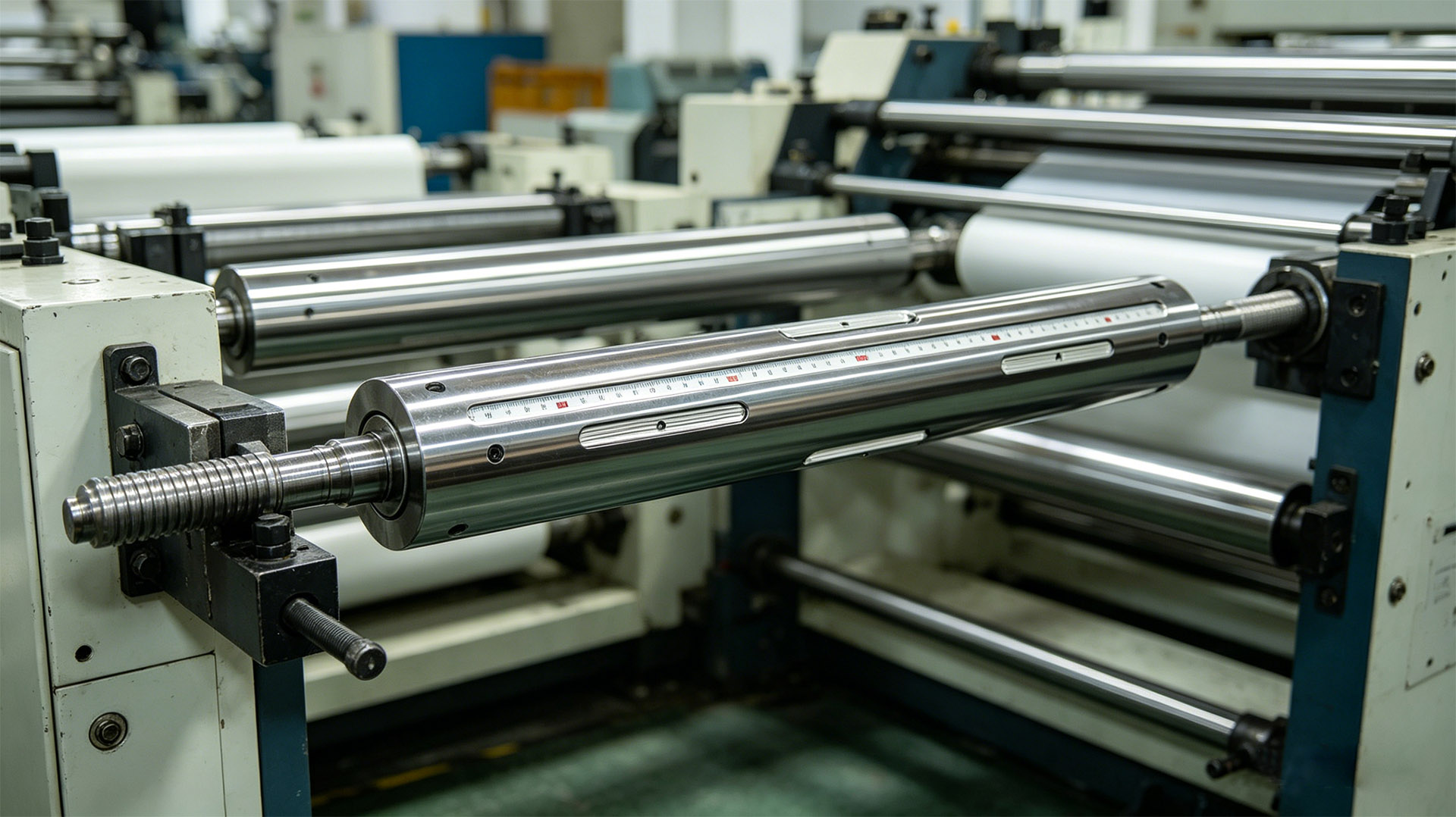
Heavy load machinery places extreme demands on holding and gripping systems, making the air shaft selection process critical for operational success. The distinction between leaf type and lug type air shaft configurations lies in their expansion mechanisms, load distribution patterns, and suitability for specific industrial tasks. Understanding these differences enables engineers, procurement specialists, and plant managers to select the most appropriate air shaft technology that aligns with equipment specifications, production cycles, and reliability requirements.
Understanding Leaf Type Air Shaft Design
Core Mechanism and Expansion Pattern
A leaf type air shaft employs segmented, petal-like sections that radiate outward when pneumatic pressure fills internal chambers. This design creates a smooth, graduated expansion pattern that distributes force evenly across the contact surface. The leaf type air shaft structure allows for precise control over expansion diameter, making it ideal for delicate or sensitive applications where material protection matters. Each leaf segment operates independently, enabling flexible accommodation of irregular or slightly tapered core surfaces without creating stress concentrations.
Load Distribution and Material Interaction
Leaf type air shaft configurations excel in applications requiring gentle, uniform contact pressure across the entire working surface. The petal-like expansion mechanism minimizes edge stress and concentrated pressure points, protecting wrapped or positioned materials from deformation. In heavy load scenarios, a leaf type air shaft provides consistent gripping force that prevents slippage while maintaining material integrity. This design proves particularly valuable in packaging, printing, and textile industries where product quality and surface protection are paramount considerations in equipment selection.
Exploring Lug Type Air Shaft Capabilities
Structural Design and Force Application
A lug type air shaft features protruding mechanical teeth or lugs that provide direct mechanical engagement when expanded. Unlike the smooth expansion of leaf type variants, the lug type air shaft creates distinct contact points that deliver powerful gripping force through positive mechanical engagement. This air shaft configuration generates superior holding power in extreme conditions, making it suitable for the most demanding heavy load applications. The mechanical nature of the lug type air shaft connection provides fail-safe holding even in case of pressure fluctuation or unexpected operational interruption.
Performance in Harsh Industrial Conditions
Lug type air shaft designs demonstrate exceptional performance in environments with vibration, thermal cycling, or aggressive material handling. The mechanical engagement eliminates reliance solely on pneumatic pressure maintenance, offering redundancy in critical safety scenarios. A lug type air shaft absorbs shock loads more effectively and maintains engagement under dynamic stress that might challenge leaf type alternatives. Heavy machinery operators value the lug type air shaft for its robust, reliable holding capability in steel mills, paper processing facilities, and other high-intensity production environments where equipment downtime carries significant financial consequences.
Comparative Analysis for Heavy Load Selection
Load Capacity and Holding Power Comparison
Heavy load applications demand absolute certainty in holding force and grip security. A leaf type air shaft typically accommodates moderate to heavy loads with gentle pressure distribution, while a lug type air shaft excels in extreme heavy load scenarios through mechanical engagement. For standard industrial machinery handling materials up to moderate weight, a leaf type air shaft often provides sufficient capacity with superior material compatibility. Conversely, applications involving extremely dense materials, high-speed rotation, or severe impact loading require the robust mechanical engagement that a lug type air shaft delivers. The critical factor lies in matching the air shaft type to the specific load profile, surface characteristics, and operational stresses inherent to your industrial process.
Maintenance, Durability, and Total Cost Impact
Long-term cost evaluation extends beyond initial purchase price to encompass maintenance requirements, component lifespan, and production reliability. A leaf type air shaft typically requires less frequent seal replacement due to gentler operational stresses and lower internal pressure demands. A lug type air shaft, despite its mechanical robustness, may experience greater wear on the lug teeth and corresponding sealing surfaces under extreme loading. Heavy machinery operators must weigh the reliability premium of a lug type air shaft against the smoother, more predictable maintenance schedule of leaf type alternatives. Environmental factors, operating hours, and specific material handling characteristics directly influence which air shaft option delivers superior economic value over the equipment lifecycle. Evaluating these factors holistically ensures selection of an air shaft configuration that balances performance, longevity, and operational cost-effectiveness for your unique industrial requirements.
FAQ
Which air shaft type handles the heaviest loads more reliably?
Lug type air shaft designs excel in extreme heavy load applications due to their mechanical tooth engagement, which provides fail-safe holding independent of pneumatic pressure. For the most demanding heavy load scenarios involving impact, vibration, or extreme dynamic stress, a lug type air shaft demonstrates superior reliability. However, a leaf type air shaft often handles heavy loads adequately when the application involves steady-state clamping rather than shock loads, making overall suitability dependent on your specific operational profile.
Does a leaf type air shaft protect materials better than lug type?
Yes, a leaf type air shaft generally provides superior material protection due to its smooth, graduated expansion pattern that distributes pressure evenly. The petal-like segments of a leaf type air shaft minimize edge stress and surface deformation, making it ideal for protecting finished products or sensitive materials. A lug type air shaft, with its mechanical tooth engagement, may create localized pressure points that could mark or damage certain material surfaces, though this depends on the material characteristics and surface hardness.
How do maintenance costs compare between leaf and lug type air shaft solutions?
A leaf type air shaft typically involves lower maintenance costs due to smoother operation and gentler internal stresses on sealing components. A lug type air shaft may require more frequent inspection and potential replacement of worn lug teeth, particularly in high-frequency cycling environments. Total maintenance cost comparison depends on your specific operating conditions, pressure cycling frequency, and material handling intensity, requiring evaluation of your unique machinery requirements to determine which air shaft type offers superior long-term economic value.

