 EN
EN
In high-speed web processing industries, maintaining consistent web quality is one of the most critical challenges operators face. A digital tension controller addresses this challenge directly by providing precise, automated tension regulation throughout every stage of the process. Whether the application involves textile manufacturing, film converting, paper processing, or label printing, the digital tension controller plays a foundational role in preventing web defects and ensuring output consistency.
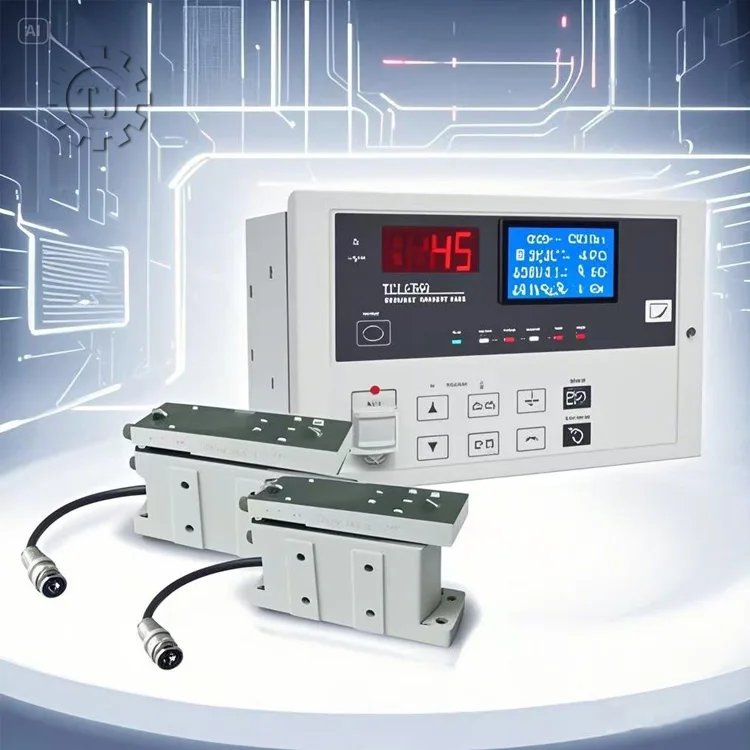
A digital tension controller works by continuously monitoring and adjusting the tension applied to a moving web material in real time. Unlike manual or analog systems, a digital tension controller eliminates human error and reacts to tension fluctuations faster than any operator could. This responsiveness is what makes the digital tension controller so valuable when web quality standards are non-negotiable. The benefits of deploying a digital tension controller extend far beyond just keeping tension steady — they reshape the entire quality profile of a production run.
How a Digital Tension Controller Affects Web Quality
Real-Time Tension Monitoring and Correction
The most direct way a digital tension controller improves web quality is through real-time feedback control. The digital tension controller continuously reads signals from load cells or dancer rollers, compares them against the target tension setpoint, and instantly instructs the drive or brake system to correct any deviation. This closed-loop mechanism ensures that the web never experiences prolonged periods of over-tension or under-tension. Each time the digital tension controller intervenes, it prevents a potential defect from forming in the material.
Tension variations, even minor ones, can cause wrinkles, edge weave, register errors, or material breakage. A digital tension controller catches these variations in milliseconds. This speed of correction is a defining advantage of the digital tension controller over older analog systems, which respond more slowly and less accurately. For materials that are sensitive to stress — such as thin films, delicate fabrics, or specialty papers — the digital tension controller is not just beneficial but essential.
Consistent Tension Across Variable Conditions
Web processing lines rarely operate under perfectly stable conditions. Roll diameters change as material unwinds, machine speeds ramp up or down, and ambient temperature shifts can affect material stiffness. A digital tension controller automatically compensates for these variables using taper tension functions, diameter calculation algorithms, and speed-synchronized adjustments. This intelligence built into the digital tension controller means the web receives consistent tension even as operating conditions evolve throughout the production run.
A digital tension controller with taper control gradually reduces tension as the roll builds up, preventing core crushing and inner-layer deformation. This feature alone makes the digital tension controller indispensable in winding applications where roll quality must be uniform from the inner core to the outer layer. When the digital tension controller handles these dynamic adjustments automatically, operators can focus on other aspects of the process rather than constantly monitoring tension levels manually.
Key Features That Make the Digital Tension Controller Effective
Programmable Setpoints and Process Memory
A well-designed digital tension controller allows operators to program and store multiple tension profiles for different materials and job types. When a production run begins, the operator simply recalls the saved profile, and the digital tension controller applies the correct tension parameters from the start. This eliminates setup time variability and ensures that every job begins with the right tension configuration. The digital tension controller becomes a repository of production knowledge, reducing dependence on individual operator expertise.
The ability to store and recall profiles also makes the digital tension controller a consistency tool across shifts and teams. Different operators running the same job will always get the same tension results because the digital tension controller enforces the programmed parameters. This standardization is particularly valuable in industries with strict quality certifications where process repeatability must be documented and maintained. The digital tension controller supports this requirement without adding complexity to daily operations.
Integration with Machine Control Systems
A modern digital tension controller is designed to integrate with PLCs, HMIs, and line control systems through standard communication protocols. This connectivity allows the digital tension controller to receive speed signals, trigger tension changes at specific process steps, and report tension data to a central monitoring system. When the digital tension controller is part of a fully integrated machine control architecture, the entire line behaves as a coordinated system rather than a collection of independent components.
Integration also means that the digital tension controller can be supervised remotely, enabling operators to monitor tension performance without standing at the machine. Alarm functions within the digital tension controller can alert operators when tension drifts outside acceptable limits, allowing fast intervention before web defects accumulate. This proactive approach to quality management is one of the most practical benefits of using a digital tension controller in a connected production environment.
Application Scenarios Where the Digital Tension Controller Delivers the Most Value
Textile and Woven Fabric Processing
In textile manufacturing, the digital tension controller is used to manage tension in warping, sizing, weaving, and finishing lines. Fabric is particularly sensitive to uneven tension because distortion during processing translates directly into finished product defects. The digital tension controller maintains the precise tension needed to keep threads aligned, prevent elongation, and ensure even dyeing or coating application. Without a reliable digital tension controller, textile lines experience higher rates of fabric waste and rework, both of which add cost to the production process.
Film, Foil, and Converting Lines
For film and foil converting, the digital tension controller is critical because these materials have very low tolerance for tension error. Even a small tension spike can cause stretching or tearing in thin polymer films. The digital tension controller provides the fine-grained control these materials require, ensuring that coating, lamination, and slitting operations are completed without compromising material integrity. A digital tension controller configured for film applications will include high-resolution sensing and fast actuator response to handle the speed and sensitivity demands of these lines.
FAQ
What types of machines can use a digital tension controller?
A digital tension controller can be used in a wide range of machines including textile looms, winding and unwinding systems, slitter rewinders, coating lines, laminating machines, and printing presses. Any machine that processes a continuous web material benefits from a digital tension controller because consistent tension is the foundation of consistent output quality.
How does a digital tension controller differ from a manual tension system?
A digital tension controller responds to tension changes automatically in real time, while a manual system requires an operator to physically adjust the brake or drive based on visual or tactile feedback. The digital tension controller is faster, more accurate, and far more consistent than manual control. It also records tension data and can store multiple job profiles, capabilities that manual systems cannot match.
Can a digital tension controller reduce material waste in production?
Yes. A digital tension controller reduces material waste by preventing defects such as wrinkles, tears, and uneven winding that result from tension inconsistency. When the digital tension controller maintains stable tension throughout the run, fewer meters of material are rejected, and the overall yield of the production line improves. Over time, the savings from reduced waste can offset the investment cost of the digital tension controller.

