 EN
EN
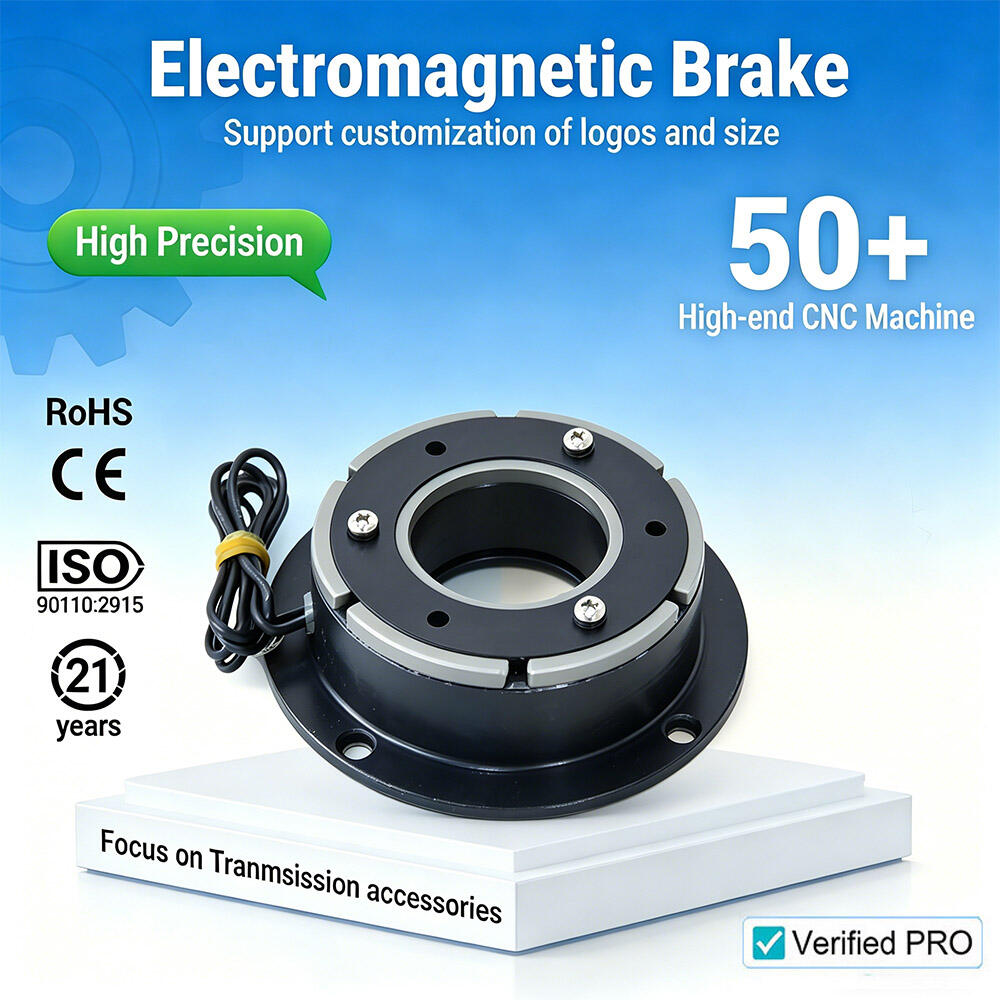
The magnetic powder clutch has long been a trusted component in industrial tension control systems. By transmitting torque through a magnetized powder medium, the magnetic powder clutch allows smooth, stepless torque adjustment without mechanical contact wear. However, the full performance potential of a magnetic powder clutch depends heavily on how precisely it is controlled. Digital control technology has emerged as the most effective method for unlocking that potential, offering accuracy and consistency that analog methods simply cannot match.
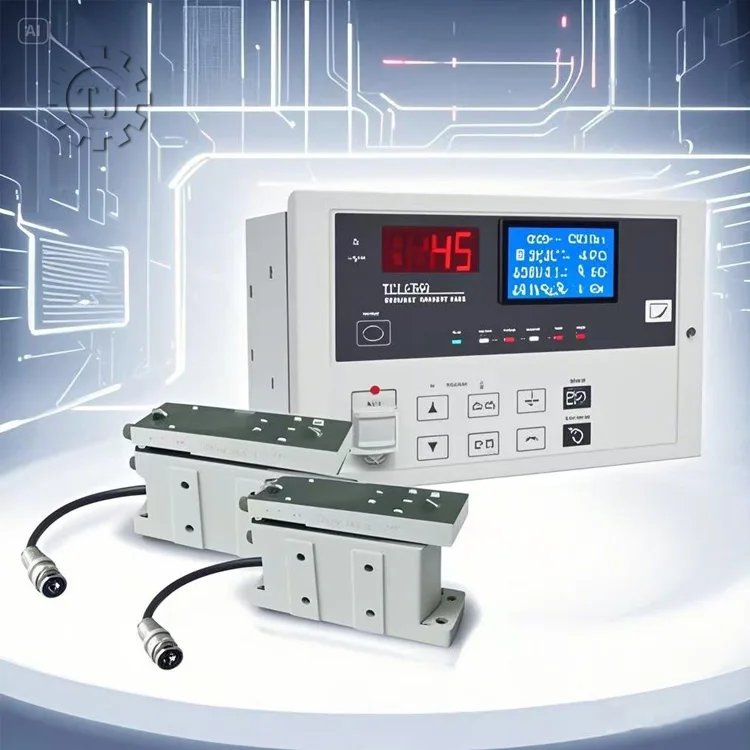
When a magnetic powder clutch operates under digital supervision, every variable — from coil current to tension feedback — is processed in real time. The controller continuously adjusts the excitation signal sent to the magnetic powder clutch, maintaining a stable torque output even as material roll diameter changes or line speed fluctuates. This closed-loop relationship between the digital controller and the magnetic powder clutch is what separates modern precision winding from older, less reliable approaches. Understanding how this control mechanism works helps engineers and production managers make better decisions about system design and equipment selection.
How Digital Controllers Interface with a Magnetic Powder Clutch
Signal Conversion and Excitation Current Management
A digital controller communicates with a magnetic powder clutch by converting programmed tension values into precise DC excitation currents. The coil inside the magnetic powder clutch receives this current and generates a magnetic field that binds the iron powder particles, creating the desired slip torque. The stronger the current signal, the greater the torque transmitted by the magnetic powder clutch. Digital systems manage this conversion with high repeatability, ensuring that the same tension setting always produces the same torque output from the magnetic powder clutch regardless of ambient conditions or process variations.
Unlike manual potentiometers or basic analog circuits, a digital controller can store multiple tension profiles and switch between them instantly. Operators working with a magnetic powder clutch in a multi-material production environment benefit enormously from this capability. Each material type may require a different torque range, and the digital controller allows the magnetic powder clutch to transition between those ranges with zero manual intervention. This reduces setup time, minimizes operator error, and ensures the magnetic powder clutch delivers consistent results across every production run.
Closed-Loop Tension Feedback Integration
The most powerful feature of digital control for a magnetic powder clutch is closed-loop feedback integration. A tension sensor or dancer roll sends real-time web tension data back to the controller. The controller compares the actual tension reading against the target setpoint and adjusts the excitation current to the magnetic powder clutch accordingly. This feedback loop means the magnetic powder clutch is never operating on open-loop assumptions — it is always responding to live process data. The result is dramatically tighter tension control, which is critical in applications like film lamination, textile weaving, and precision label printing where material stretch or breakage must be avoided.
Performance Gains Delivered by Digital Control
Torque Stability Across Roll Diameter Changes
One of the most common challenges in winding and unwinding applications is maintaining consistent tension as the roll diameter changes. A magnetic powder clutch operating under a basic voltage controller will experience torque drift as the roll builds up or depletes, because the relationship between roll inertia and required torque changes continuously. A digital controller solves this by automatically recalculating the required excitation current for the magnetic powder clutch at each moment. The magnetic powder clutch then delivers the corrected torque output, keeping the web tension within the programmed tolerance band throughout the entire roll cycle.
This capability makes the magnetic powder clutch far more productive in automated production lines. Without digital compensation, operators must frequently intervene to adjust tension manually, interrupting production flow. With a digital controller managing the magnetic powder clutch, the system self-corrects, and the magnetic powder clutch sustains its performance without human involvement. Downtime is reduced, material waste drops, and throughput improves — all direct consequences of pairing a magnetic powder clutch with capable digital control.
Overload Protection and Thermal Management
Digital controllers also provide protective functions that extend the service life of a magnetic powder clutch. When an overload condition is detected — such as a sudden web jam or mechanical blockage — the digital controller can immediately reduce the excitation current to the magnetic powder clutch, limiting transmitted torque and preventing coil burnout. This response time is measured in milliseconds, far faster than any manual operator response. The magnetic powder clutch is therefore protected from the high-stress events that most commonly cause premature failure in industrial tension systems.
Thermal monitoring is another protective feature available in advanced digital systems. Because the magnetic powder clutch generates heat during slip operation, sustained overloading can degrade the iron powder medium over time. A digital controller that monitors coil temperature can automatically reduce duty cycle or alert operators before any thermal damage occurs. This keeps the magnetic powder clutch operating within its rated thermal envelope, ensuring long-term reliability and reducing maintenance frequency on the production line.
Selecting the Right Digital Controller for Your Magnetic Powder Clutch
Matching Controller Specifications to Clutch Ratings
Choosing a compatible digital controller requires matching several technical parameters to the rated specifications of your magnetic powder clutch. The controller output current range must cover the full excitation range of the magnetic powder clutch coil. If the controller cannot supply sufficient current, the magnetic powder clutch will never reach its maximum torque capacity. Conversely, if the controller delivers excessive current, the magnetic powder clutch coil may overheat and fail prematurely. Verifying coil resistance, rated current, and torque-to-current curves for your specific magnetic powder clutch model is essential before selecting a controller.
Communication Protocols and Integration Readiness
Modern production environments increasingly require digital controllers to integrate with PLC systems, SCADA platforms, or Industry 4.0 networks. When selecting a controller for a magnetic powder clutch, confirm that the device supports the communication protocols used in your facility — such as RS-485, Modbus, or analog 0–10V interfaces. A controller with strong integration capabilities allows your magnetic powder clutch data — torque output, tension feedback, fault codes — to be logged centrally and analyzed for predictive maintenance. This transforms the magnetic powder clutch from a standalone component into an intelligent node within a connected production system.
FAQ
What is the main advantage of using digital control with a magnetic powder clutch?
Digital control provides precise, repeatable excitation current management for the magnetic powder clutch, enabling closed-loop tension feedback, automatic torque compensation, and overload protection — all of which improve production quality and extend the service life of the magnetic powder clutch.
Can a magnetic powder clutch work without a digital controller?
A magnetic powder clutch can operate with basic analog or manual controls, but performance will be inconsistent. Digital control is strongly recommended for any application where tension accuracy, process repeatability, or automated protection of the magnetic powder clutch is a priority.
How often should a digitally controlled magnetic powder clutch be maintained?
Maintenance intervals for a magnetic powder clutch depend on operating duty and environmental conditions. Digital controllers with thermal monitoring and fault logging help predict when the magnetic powder clutch requires inspection, making maintenance schedules more accurate and preventing unplanned production stoppages.

