
 EN
EN
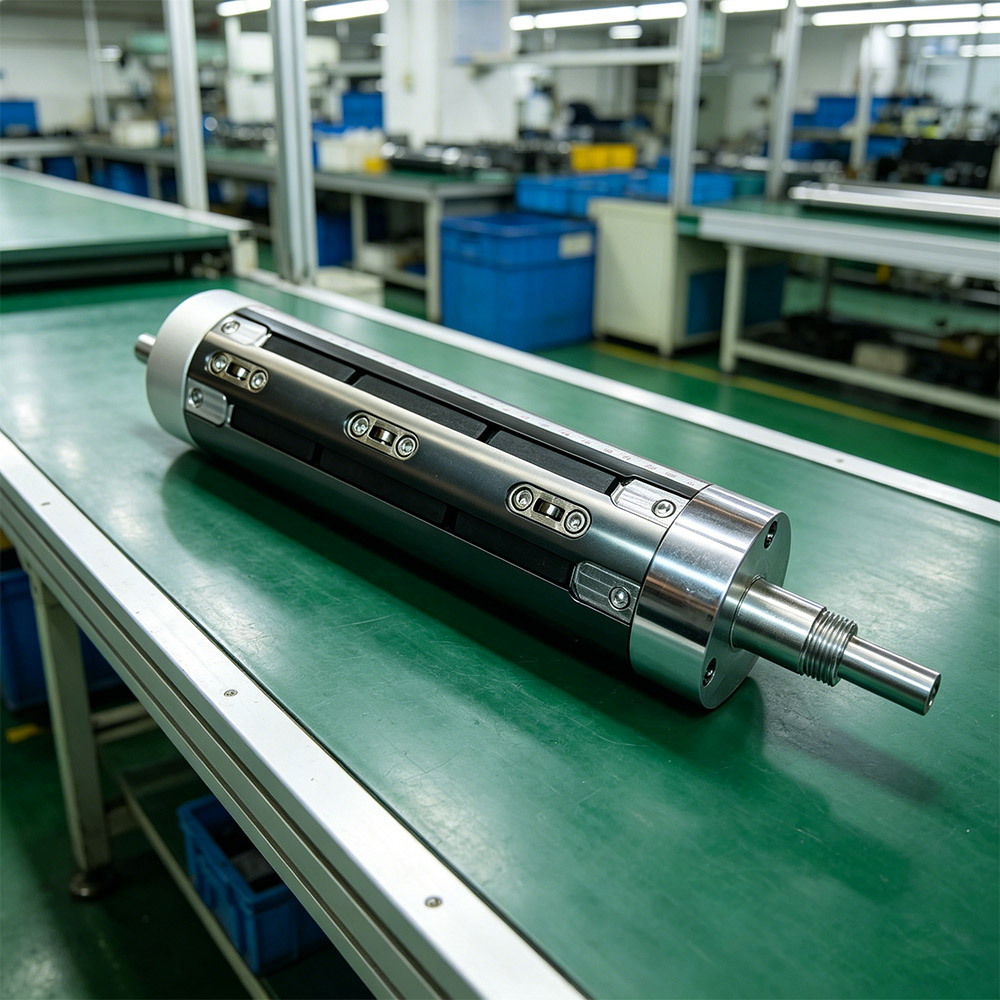
Selecting the correct air shaft is one of the most critical decisions in tissue paper rewinding operations. The air shaft serves as the primary expansion and contraction mechanism that holds the paper web during the rewinding process, making its selection directly impact production efficiency, product quality, and operational costs. Choosing the wrong air shaft can lead to uneven tension, paper wrinkles, web breaks, and costly downtime. This guide walks you through the essential factors for making an informed air shaft selection that matches your tissue paper rewinding application.
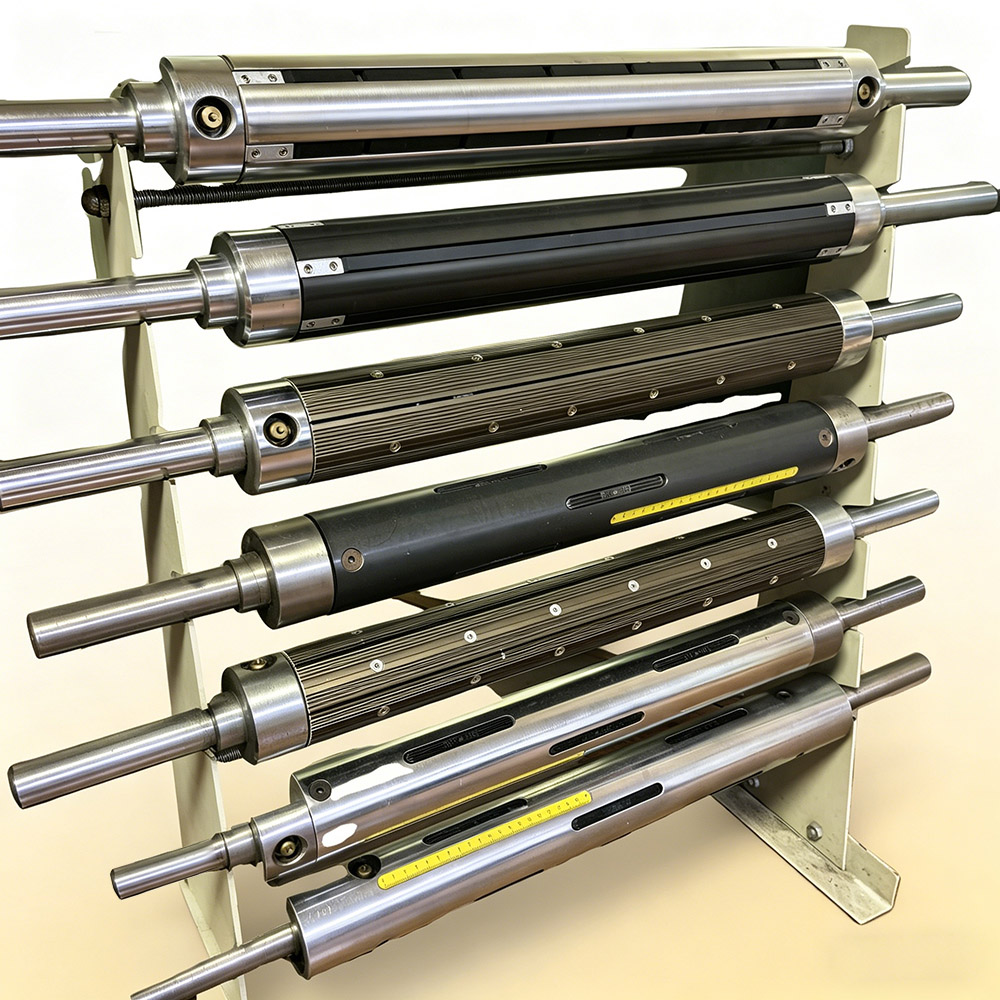
The tissue paper industry relies heavily on air shaft technology to manage delicate paper materials during high-speed rewinding. An air shaft uses pneumatic pressure to expand or deflate, allowing operators to grip and release paper rolls precisely without physical contact that could damage the product. Understanding the mechanics and performance characteristics of an air shaft directly influences your ability to maintain consistent rewinding speeds, minimize waste, and achieve customer specifications.
Understanding Air Shaft Core Technology and Performance Metrics
Pneumatic Bearing Design in Air Shaft Systems
The pneumatic bearing core of an air shaft is engineered to distribute air pressure evenly along the shaft length, creating a consistent grip across the entire paper web. This air shaft design eliminates mechanical friction points that could damage tissue paper or cause uneven tension. The air shaft pneumatic bearing operates by channeling compressed air through internal galleries that create a thin air film between the shaft surface and the paper roll, allowing the paper to grip without direct metal contact.
A properly designed air shaft maintains pressure stability throughout the rewinding cycle, which is essential for tissue paper applications where paper thickness and width vary continuously. The air shaft must respond quickly to pressure changes while maintaining uniform grip force across its working length. High-quality air shaft systems feature redundant air supply paths and precision-engineered porting that prevents pressure fluctuations that could compromise web alignment or cause tissue breaks during the rewinding process.
Air Shaft Diameter and Length Specifications
Air shaft selection begins with matching the shaft diameter and length to your specific tissue rewinding application. The air shaft diameter must be large enough to accommodate adequate pneumatic gallery volume while fitting within your rewinder frame constraints. Standard air shaft sizes range from 2 inches to 6 inches in diameter, with each size offering different pressure characteristics and air consumption rates. Selecting an air shaft with insufficient diameter limits the pneumatic bearing surface area, reducing grip stability and increasing operational pressure requirements.
Length selection for an air shaft determines the gripping surface available for the paper roll. An air shaft that is too short cannot support the full paper web width, creating edge instability and potential wrinkling. Conversely, an oversized air shaft wastes pneumatic capacity and increases energy consumption. Most tissue paper rewinding operations require an air shaft length that matches or slightly exceeds the parent roll width to ensure full-width contact and balanced tension distribution across the entire paper web.
Critical Performance Factors in Air Shaft Selection
Pressure Requirements and Air Consumption
Every air shaft model has specific pressure operating ranges, typically between 40 and 100 pounds per square inch for tissue paper applications. Selecting an air shaft rated for your target pressure ensures consistent performance and prevents leakage or seal degradation. The air shaft pressure requirement directly affects your compressor sizing and ongoing energy costs. Higher-pressure air shaft designs may grip paper more securely but consume more compressed air, while lower-pressure options reduce energy use but require larger diameter designs to maintain adequate grip force.
Air consumption rates for an air shaft depend on the shaft volume, operating pressure, and cycle frequency. Tissue paper operations running continuous rewinding cycles require an air shaft system that minimizes air bleeding and maintains pressure stability. Modern air shaft designs incorporate precision seals and balanced porting systems that reduce air waste by 20 to 40 percent compared to older mechanical designs. When selecting an air shaft, confirm that your compressed air supply can deliver the required volume and pressure without causing system strain during peak production periods.
Temperature Stability and Thermal Performance
Temperature fluctuations significantly affect air shaft performance in tissue rewinding operations. The air shaft pneumatic bearing relies on precise gap tolerances, which change when thermal expansion occurs in the shaft body. Selecting an air shaft manufactured from stable materials like ductile iron or aluminum alloys helps minimize temperature-related performance drift. The air shaft must maintain consistent performance across ambient temperatures ranging from 50 to 95 degrees Fahrenheit, which is typical in paper manufacturing facilities.
Heat generation within the air shaft occurs due to air friction during inflation and deflation cycles. The air shaft with poor thermal design will experience gradual pressure loss as internal temperatures rise during extended production runs. Quality air shaft systems incorporate thermal management features such as vented galleries and optimized porting geometries that dissipate heat efficiently. Selecting an air shaft with proven thermal stability ensures your rewinding operation maintains consistent grip force throughout the shift without pressure compensation adjustments.
Application-Specific Selection Criteria for Tissue Paper Rewinding
Paper Grade and Tissue Weight Compatibility
Different tissue grades require specific air shaft characteristics to prevent damage and ensure quality output. Single-ply tissue requires a gentler grip than multi-ply grades, which means selecting an air shaft with finer pressure control and smoother pressure ramps. The air shaft must be capable of handling rapid deflation when releasing the finished roll, which prevents tissue crushing or embossing marks on the parent roll surface. Tissue paper manufacturers typically specify minimum pressure requirements based on paper weight, with heavier tissue needing higher grip force from the air shaft system.
Parent roll diameters in tissue operations range from 12 to 30 inches, and the air shaft must provide consistent grip force throughout this entire diameter range. Selecting an air shaft with adaptive pressure compensation helps maintain uniform grip as the roll grows during winding. The air shaft selected must accommodate rapid inflation at the start of the winding cycle and equally responsive deflation to prevent tissue marks when removing the finished roll from the air shaft.
Speed and Production Throughput Considerations
High-speed tissue rewinding requires an air shaft capable of responding instantly to pressure commands without lag or overshoot. The air shaft pressure response time directly impacts your ability to prevent web slippage during direction changes or emergency stops. Selecting an air shaft with quick-response pneumatic galleries ensures that even at 800 to 1200 feet per minute rewinding speeds, the grip remains stable and responsive. The air shaft must support rapid cycling between inflate, hold, and deflate modes without delay that could damage the paper web.
Production throughput in tissue operations correlates directly with air shaft reliability and consistency. An air shaft that requires frequent recalibration or exhibits pressure drift will slow production and increase scrap rates. Selecting a robustly engineered air shaft from manufacturers with proven track records in high-speed tissue applications ensures your facility achieves planned production targets. The air shaft investment pays dividends through reduced downtime, lower scrap rates, and improved operator confidence in the rewinding process.
FAQ
What size air shaft do I need for my tissue rewinding operation?
Air shaft sizing depends on your parent roll width and the grip force required for your tissue grade. Measure your actual paper width and select an air shaft length that matches or exceeds this dimension by at least half an inch on each side. The air shaft diameter should typically range from 3 to 5 inches for tissue applications, allowing sufficient pneumatic capacity while fitting standard rewinder frames. Consult with your equipment manufacturer for specific air shaft recommendations based on your tissue weight and production speed.
How often should an air shaft require maintenance or replacement?
A well-maintained air shaft typically operates reliably for 3 to 5 years in continuous tissue paper production. The air shaft seals should be inspected quarterly for wear, and any air shaft showing pressure drift or sluggish response should be serviced immediately. Replacement becomes necessary when the air shaft develops permanent deformation in the pneumatic galleries, which cannot be repaired cost-effectively. Regular air filtration and moisture control in your compressed air system extends air shaft service life significantly by preventing seal degradation from contamination.
Can a single air shaft work for multiple tissue grades?
Most air shaft designs accommodate multiple tissue grades through adjustable pressure settings rather than physical replacement. An air shaft can typically handle tissue weights from 15 to 40 pounds per ream by simply adjusting operating pressure within its rated range. However, if your facility frequently switches between single-ply and heavy multi-ply tissue, selecting an air shaft with very fine pressure control resolution ensures optimal performance across all grades. Some air shaft systems feature dual-gallery designs that provide independent pressure zones for even greater flexibility across diverse product lines.

