
 EN
EN
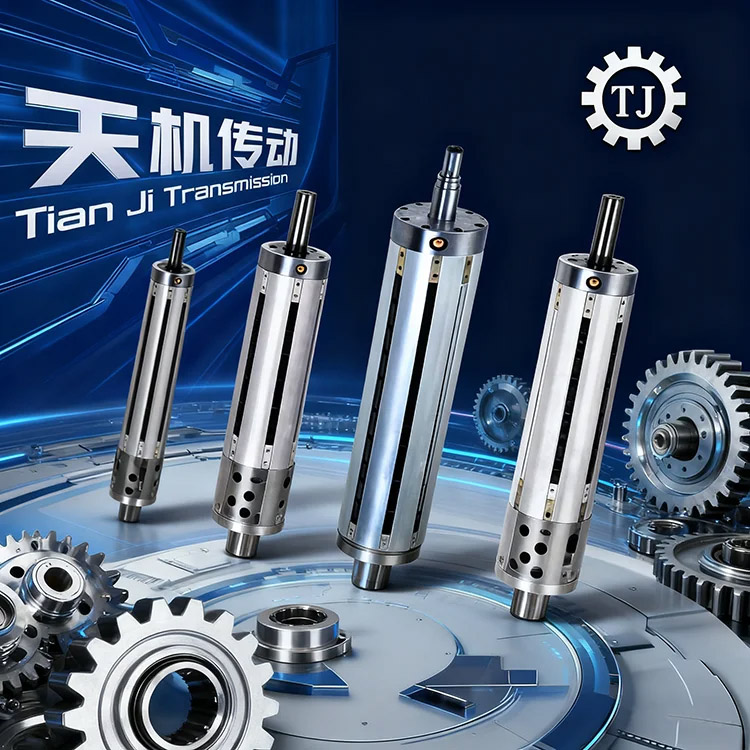
Precision slitting operations demand equipment that consistently delivers accuracy, reliability, and adaptability across diverse material specifications. An air shaft represents one of the most critical components in modern slitting line systems, enabling operators to hold, tension, and unwind materials with pneumatic precision. Custom diameter air shaft solutions have become essential for manufacturers seeking to optimize production efficiency while maintaining exacting tolerances across varying material widths and thicknesses. Understanding how to select and deploy the right air shaft configuration directly impacts your line's throughput, product quality, and maintenance intervals.
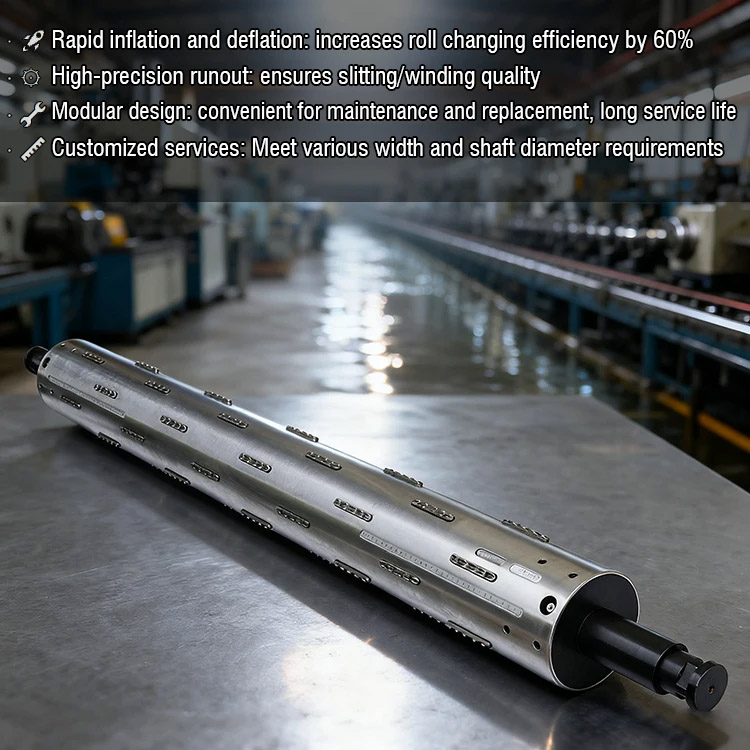
The engineering behind modern air shaft technology has evolved significantly, offering manufacturers unprecedented flexibility in slitting applications. Whether you operate a narrow-web slitting line, a wide-format web handling system, or a precision film conversion operation, the correct air shaft diameter and design directly influences how effectively you can grip, position, and process materials. This comprehensive guide explores how custom diameter air shaft solutions address real-world production challenges, examines the technical specifications that drive performance, and provides actionable insights for optimizing your slitting line configuration.
Understanding Air Shaft Design and Core Functionality
Core Operating Principles of Air Shaft Technology
An air shaft operates by distributing compressed air through internal channels to create a uniform pneumatic bearing surface. This air shaft principle allows the shaft to expand and contract pneumatically, enabling operators to secure materials without mechanical deformation or permanent marking. The design of an air shaft eliminates the traditional chucking mechanisms that can damage delicate films, foams, and coated substrates. Custom diameter air shaft configurations expand the operational range of any slitting system, accommodating material rolls ranging from narrow specialty items to wide industrial rolls.
Why Diameter Customization Matters in Slitting Operations
Material specifications vary dramatically across production environments, and a one-size-fits-all air shaft cannot address this diversity. When your slitting line encounters materials with inconsistent core sizes, uneven weights, or varying diameters, a properly sized air shaft becomes the difference between smooth production and costly downtime. Custom diameter air shaft designs ensure that the pneumatic grip adapts precisely to your material's geometry, maintaining consistent tension and preventing slippage. An undersized air shaft may fail to secure heavier rolls, while an oversized unit wastes energy and reduces responsiveness. Selecting the appropriate diameter for your air shaft directly correlates with material control, production speed stability, and reduction in waste rates.
Practical Applications and Production Benefits
Material Processing Scenarios Where Custom Diameter Air Shaft Excels
Custom diameter air shaft solutions prove invaluable across multiple slitting environments. In narrow-web applications, a precisely dimensioned air shaft maintains grip on delicate labels, foils, and specialty films without surface damage. Wide-format operations benefit from larger diameter air shaft configurations that accommodate oversized rolls while maintaining uniform pressure distribution. Converting operations processing multiple material types can deploy modular air shaft systems, switching between diameters to match incoming specifications without extensive equipment reconfiguration. Industries ranging from packaging to automotive, medical device manufacturing to consumer goods production, rely on properly specified air shaft technology to maintain production continuity and output quality.
Performance Gains and Operational Efficiency
Implementing a correctly sized air shaft reduces material drag, decreases torque requirements on unwinding motors, and extends bearing life through balanced load distribution. The pneumatic holding mechanism of an air shaft allows operators to engage and disengage material quickly, reducing changeover times and improving line utilization. Custom diameter air shaft systems accommodate faster production speeds because the pneumatic grip responds instantly to pressure adjustments, enabling precise tension control throughout the unwinding process. Energy efficiency improves significantly when your air shaft diameter matches material specifications, as oversized units consume excessive compressed air while undersized configurations require higher pressures to achieve adequate grip. Maintenance intervals extend when your air shaft operates within its design parameters, as proper sizing eliminates stress concentration and premature wear.
Selection Criteria and Technical Specifications
Determining the Correct Air Shaft Diameter for Your Application
Selecting the right air shaft begins with understanding your material dimensions and roll specifications. The diameter of your air shaft must accommodate your core size with minimal clearance, allowing the pneumatic expansion to achieve effective grip without excessive pressure. An air shaft that is too small relative to your core diameter will fail to establish uniform contact, resulting in material slippage or uneven tension distribution. Conversely, an air shaft with excessive diameter wastes pneumatic capacity and complicates mechanical mounting. Material weight, thickness, and width all influence the ideal air shaft specification. Consulting detailed specifications for your particular material type ensures that the chosen air shaft diameter aligns with production requirements and material handling constraints.
Technical Factors Influencing Air Shaft Performance
The internal design of an air shaft includes considerations such as air distribution channels, bearing material composition, pressure rating, and surface finish. A well-engineered air shaft distributes compressed air evenly across its pneumatic bearing surface, preventing pressure spikes that could damage delicate materials or create hot spots that accelerate wear. The diameter of your air shaft interacts with pressure settings to determine the actual grip force, so understanding the pressure-to-grip relationship specific to your air shaft model ensures consistent performance. Surface hardness and wear resistance become critical when processing abrasive materials repeatedly against your air shaft. Modular air shaft designs allow operators to replace worn components without replacing the entire assembly, reducing operational costs. Temperature stability in your compressed air supply affects air shaft performance, as condensation or humidity can degrade the pneumatic seal quality and compromise the air shaft's ability to maintain consistent grip.
Integration with Modern Slitting Line Systems
Compatibility and Installation Considerations
Custom diameter air shaft solutions must integrate seamlessly with existing slitting line infrastructure, including unwinding stations, tension control systems, and drive mechanisms. The mounting configuration of your air shaft requires precise alignment to prevent vibration and ensure balanced rotation. Pneumatic supply lines, pressure regulators, and control valves must be properly sized to deliver consistent air flow to your air shaft without pressure fluctuation that would compromise material grip. Modern slitting lines often feature programmable logic controllers that can adjust air shaft pressure automatically based on material specifications, creating adaptive tension profiles throughout the unwinding process. This integration capability transforms an air shaft from a static component into an intelligent element within your production system, responding dynamically to variations in material properties or production demands.
Maintenance and Long-Term Reliability
Proper maintenance of your air shaft ensures extended service life and consistent performance. Compressed air quality directly affects air shaft reliability, making air filtration and desiccation essential components of pneumatic systems. Regular inspection of your air shaft for wear patterns, seal degradation, or pressure loss helps identify issues before they impact production. Lubrication requirements vary based on air shaft design, with some modern systems incorporating self-lubricating bearing materials that reduce maintenance complexity. Documentation of pressure settings, changeover times, and performance metrics for each air shaft diameter helps operators optimize configuration choices and troubleshoot issues systematically. Establishing preventive maintenance schedules specific to your air shaft application extends equipment life and maintains the precision that justified the custom diameter investment.
FAQ
What makes a custom diameter air shaft different from standard models?
A custom diameter air shaft is engineered to match your specific material core dimensions and roll specifications, whereas standard models offer limited size ranges. This customization ensures optimal pneumatic grip, reduces wasted air consumption, and improves material control compared to oversized or undersized generic air shaft options. Custom solutions allow your slitting line to process multiple material types efficiently without requiring substantial mechanical reconfiguration or settling for compromised performance.
How do I determine the correct air pressure for my air shaft?
The correct air pressure depends on your air shaft diameter, material weight, desired grip force, and specific application requirements. Manufacturer specifications for your air shaft typically provide pressure-to-holding-force charts that guide operator decisions. Start with recommended baseline pressures and adjust gradually while monitoring material grip consistency and any signs of slippage, documenting the settings that produce reliable results for each material type you process with your air shaft.
Can a custom diameter air shaft improve production speed?
Yes, a properly sized air shaft reduces material drag and torque requirements, allowing faster unwinding speeds while maintaining consistent tension control. The responsive pneumatic engagement of a correctly specified air shaft enables quicker material acceleration and more stable speed transitions. Custom diameter air shaft systems eliminate the mechanical inefficiencies inherent in oversized or undersized equipment, enabling your slitting line to reach higher throughput while maintaining the precision quality required for your products.

