rem udara pneumatik
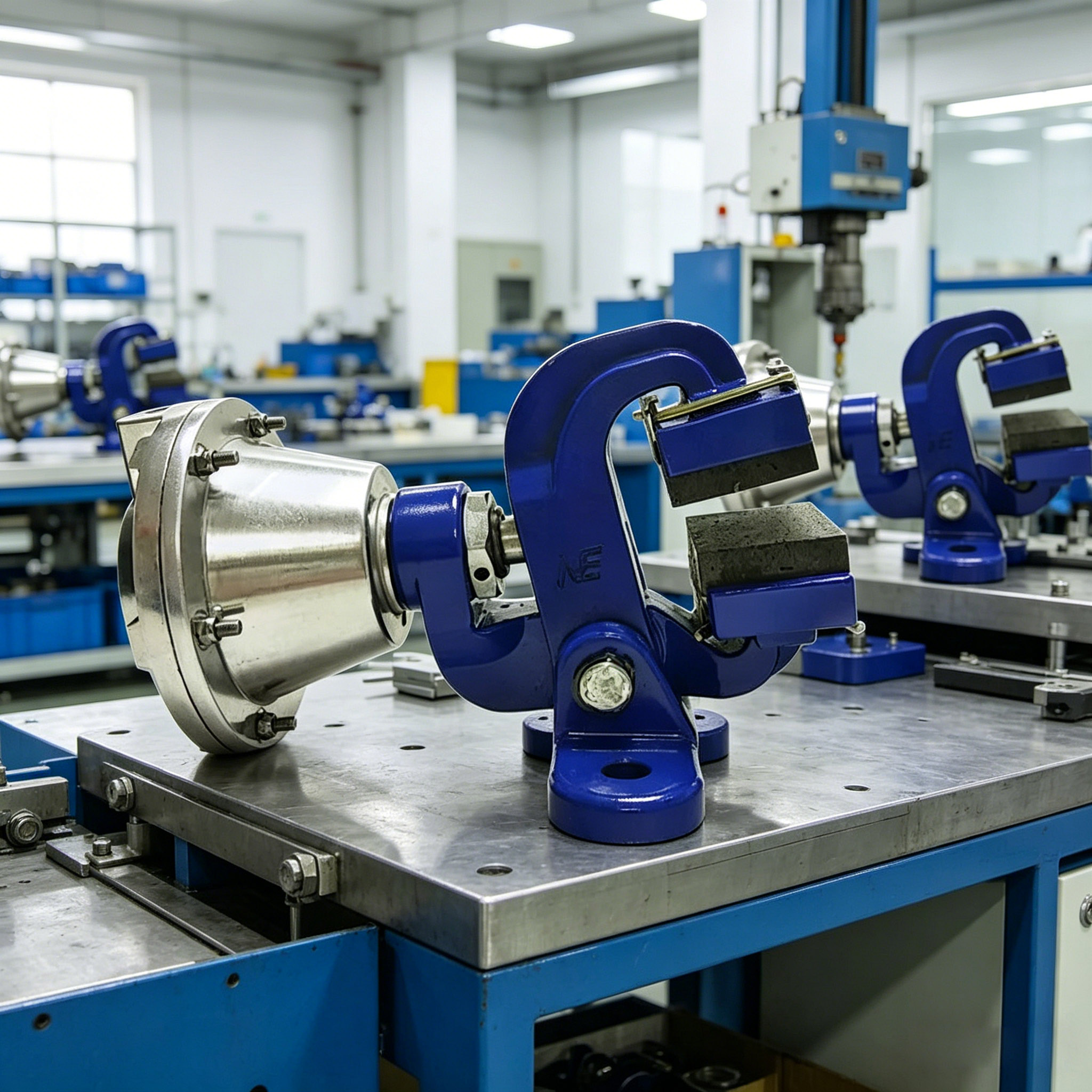
Rem udara pneumatik merupakan sistem keselamatan dan pengendalian kritis yang menggunakan udara bertekanan untuk menghasilkan daya pengereman pada berbagai kendaraan dan mesin industri. Teknologi pengereman ini telah menjadi standar industri karena keandalannya, efisiensi, serta kinerja konsisten di berbagai kondisi operasional. Pada intinya, sistem rem udara pneumatik beroperasi dengan mengalirkan udara bertekanan melalui jaringan katup, ruang tekan, dan aktuator yang mengubah tekanan udara menjadi gaya mekanis, sehingga mampu menghentikan peralatan secara terkendali. Fungsi utama sistem pengereman ini meliputi penyediaan perlambatan yang andal, pemeliharaan posisi diam, pengendalian kecepatan secara presisi, serta kemampuan pengereman darurat bila diperlukan. Secara teknologis, rem udara pneumatik dilengkapi sejumlah komponen canggih yang bekerja secara sinergis: kompresor udara yang menghasilkan tekanan, tangki penyimpanan yang mempertahankan pasokan udara bertekanan, katup pengatur yang mengontrol aliran udara, ruang rem yang mengubah tekanan pneumatik menjadi gerak mekanis, serta assembli rem aktual yang menciptakan gesekan terhadap komponen berputar. Sistem ini umumnya beroperasi dalam kisaran tekanan 90 hingga 120 PSI, memberikan daya pengereman yang besar sekaligus menjaga efisiensi energi. Aplikasi sistem rem udara pneumatik mencakup berbagai sektor, antara lain kendaraan komersial berat seperti truk, bus, dan trailer; sistem transportasi kereta api; peralatan manufaktur industri; mesin konstruksi; kendaraan pertambangan; serta alat-alat pertanian. Keluwesan teknologi ini menjadikannya sangat bernilai dalam situasi yang menuntut pengereman andal dan bertenaga selama periode operasional yang panjang. Desain rem udara pneumatik modern mengintegrasikan fitur keselamatan seperti konfigurasi sirkuit ganda, penyetel celah otomatis, kemampuan anti-lock (ABS), serta sistem pemantau tekanan yang meningkatkan kinerja maupun kepercayaan operator. Sifat modular sistem-sistem ini memungkinkan penyesuaian berdasarkan berat kendaraan spesifik, lingkungan operasional, dan persyaratan kinerja, sehingga rem udara pneumatik menjadi solusi yang adaptif bagi beragam tantangan pengereman di bidang transportasi dan industri di seluruh dunia.

 EN
EN