Pneumatic Air Brake Systems: Reliable Stopping Power for Heavy-Duty Applications

All Categories

pneumatic air brake

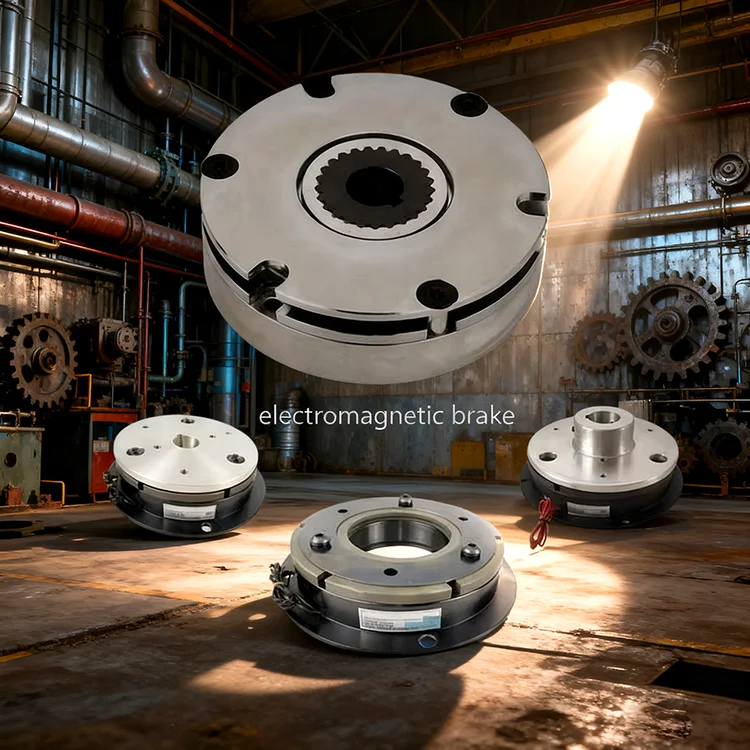
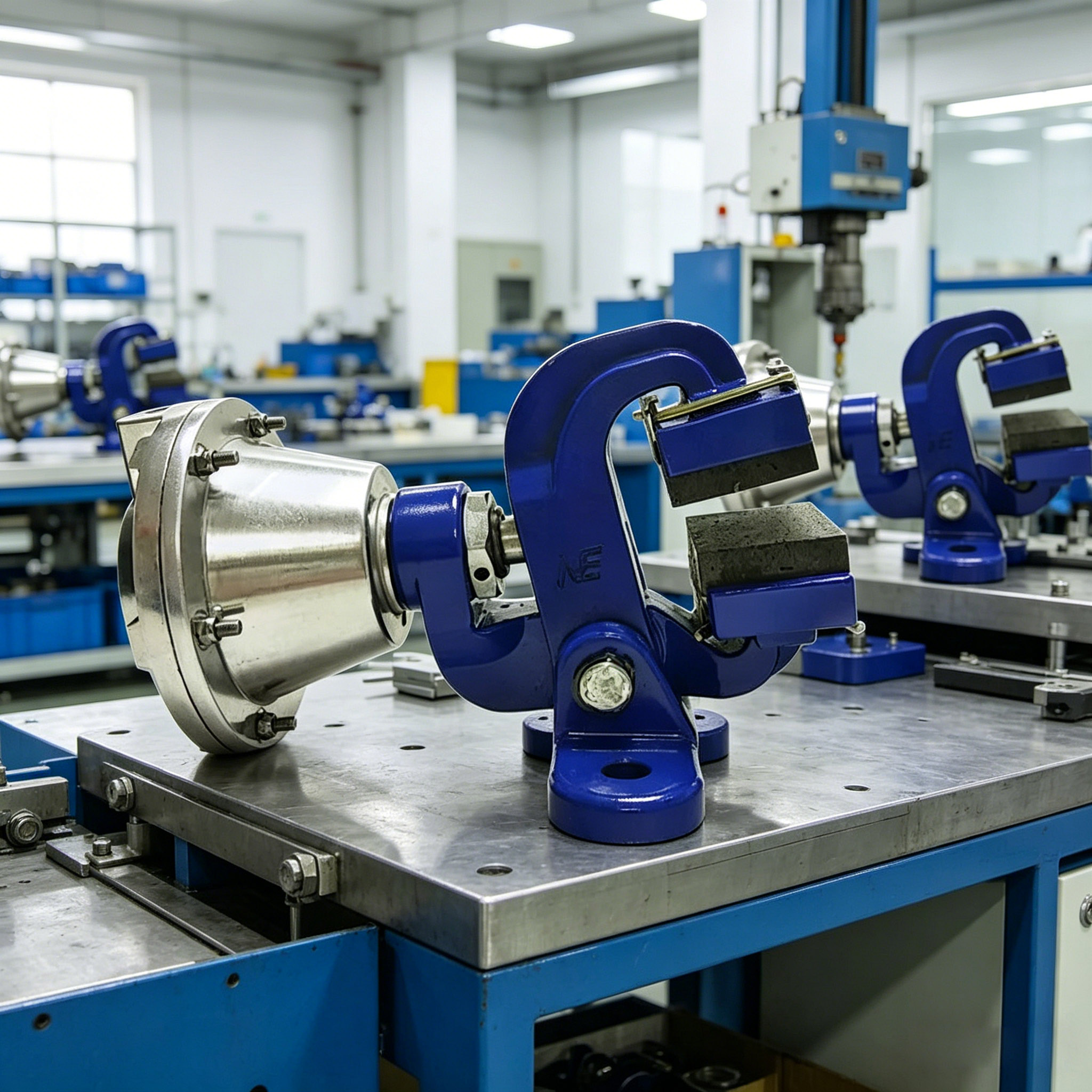
The pneumatic air brake represents a critical safety and control system that uses compressed air to generate stopping power in various vehicles and industrial machinery. This braking technology has become an industry standard due to its reliability, efficiency, and consistent performance across diverse operating conditions. At its core, the pneumatic air brake system operates by channeling compressed air through a network of valves, chambers, and actuators that convert air pressure into mechanical force, ultimately bringing equipment to a controlled stop. The main functions of this braking system include providing reliable deceleration, maintaining stationary positions, enabling precise speed control, and ensuring emergency stopping capabilities when needed. Technologically, the pneumatic air brake features several sophisticated components working in harmony: an air compressor that generates pressure, storage reservoirs that maintain compressed air supply, control valves that regulate air flow, brake chambers that convert pneumatic pressure into mechanical motion, and the actual brake assemblies that create friction against rotating components. The system typically operates within pressure ranges of 90 to 120 PSI, offering substantial stopping force while maintaining energy efficiency. Applications for pneumatic air brake systems span numerous sectors, including heavy commercial vehicles such as trucks, buses, and trailers, railway transportation systems, industrial manufacturing equipment, construction machinery, mining vehicles, and agricultural implements. The versatility of this technology makes it particularly valuable in situations requiring dependable, powerful braking across extended operational periods. Modern pneumatic air brake designs incorporate safety features like dual-circuit configurations, automatic slack adjusters, anti-lock capabilities, and pressure monitoring systems that enhance both performance and operator confidence. The modular nature of these systems allows for customization based on specific vehicle weight, operating environment, and performance requirements, making the pneumatic air brake an adaptable solution for countless braking challenges across transportation and industrial applications worldwide.

New Product Releases

Choosing a pneumatic air brake system delivers numerous practical benefits that directly impact operational efficiency, safety, and long-term cost management. First and foremost, these systems provide exceptional stopping power without requiring massive physical effort from operators. Unlike mechanical brake systems that demand significant manual force, the pneumatic air brake amplifies operator input through compressed air, meaning even light pressure on a brake pedal can generate tremendous stopping force on heavy equipment. This mechanical advantage reduces operator fatigue during extended work shifts and makes controlling large vehicles more manageable for a broader range of drivers. The reliability factor stands as another compelling advantage, as pneumatic air brake systems demonstrate consistent performance across varying weather conditions, temperature extremes, and operational intensities. Whether operating in freezing winter conditions or scorching summer heat, these systems maintain their effectiveness because air compression remains stable and predictable. Maintenance requirements present a favorable economic picture for pneumatic air brake users. The system components are designed for durability and longevity, with straightforward replacement procedures when parts eventually wear. Air compressors, valves, and brake chambers can often be serviced or replaced individually without requiring complete system overhauls, minimizing downtime and repair expenses. The absence of hydraulic fluids eliminates concerns about leaks, contamination, or fluid degradation that plague hydraulic brake systems, reducing both maintenance complexity and environmental hazards. Response time represents another significant practical benefit, as pneumatic air brake systems activate quickly when operators initiate braking. The compressed air travels rapidly through properly designed systems, translating brake application into actual stopping force within fractions of a second. This swift response proves crucial in emergency situations where every moment counts in accident avoidance. Energy efficiency deserves attention when considering operational costs. Once an air compressor builds system pressure to operating levels, maintaining that pressure requires minimal energy input. The system stores compressed air in reservoirs, ready for immediate use without continuous compressor operation, resulting in lower fuel consumption compared to constantly powered alternatives. Safety features integrated into modern pneumatic air brake designs provide peace of mind for operators and fleet managers alike. Warning systems alert operators to pressure drops, dual-circuit configurations ensure braking capability even if one circuit fails, and parking brake functions automatically engage when air pressure falls below safe thresholds. These built-in protections create multiple safety layers that protect both equipment and personnel. Scalability allows pneumatic air brake systems to adapt to various applications effortlessly. Whether outfitting a single trailer or an entire fleet of commercial trucks, the standardized components and established infrastructure make implementation straightforward and cost-effective, ensuring businesses can expand operations without confronting incompatible braking technologies across their equipment inventory.

Latest News

Transmission Pain Points in Printing/Textile/Chemical Machinery: How Electromagnetic Clutches Improve Equipment Stability?

08

Dec

Transmission Pain Points in Printing/Textile/Chemical Machinery: How Electromagnetic Clutches Improve Equipment Stability?

Struggling with transmission instability in printing, textile, or chemical machinery? TJ-A electromagnetic clutches eliminate slip, boost throughput 15–20%, and ensure asbestos-free safety. Discover how top global manufacturers achieve 99.8% reliability—request a spec sheet today.
View More
High-Quality Web Guide Control Systems From a Leading Domestic Manufacturer With 20 Years of Expertise

08

Dec

High-Quality Web Guide Control Systems From a Leading Domestic Manufacturer With 20 Years of Expertise

Discover high-precision web guide control systems from a trusted domestic manufacturer with 20 years of R&D expertise. Reduce waste, boost efficiency, and ensure reliability. Request a quote today.
View More
The Pain of Non-Standard Transmission in Special Working Conditions

09

Apr

The Pain of Non-Standard Transmission in Special Working Conditions

Struggling with standard transmission failures in extreme temps, dust, or tight spaces? TianJi’s 20-year R&D delivers reliable custom clutches & brakes—engineered for your exact specs. Get a free technical consultation today.
View More

Get Your Custom Quote

Tell us your requirements and get a tailored solution for your project.
Name
Mobile
Email
Please include
Message
0/1000

pneumatic air brake

Superior Stopping Power Through Compressed Air Technology

Superior Stopping Power Through Compressed Air Technology

The fundamental advantage that distinguishes pneumatic air brake systems from alternative braking technologies lies in their exceptional ability to generate substantial stopping force through the strategic application of compressed air principles. This capability stems from the physical properties of compressed air and the ingenious engineering that transforms pneumatic pressure into controlled mechanical force. When operators initiate braking, compressed air stored in system reservoirs flows through precisely calibrated valves into brake chambers, where it acts upon diaphragms or pistons with remarkable efficiency. The force multiplication achieved through this process enables relatively compact brake components to generate stopping power sufficient for vehicles weighing tens of thousands of pounds or industrial equipment operating under extreme loads. This pneumatic air brake characteristic proves particularly valuable in heavy-duty applications where mechanical or manual braking systems would require impractical size or unsustainable operator effort. The engineering behind this superior stopping power incorporates careful attention to pressure regulation, ensuring consistent brake application regardless of how many times operators engage the system during operation. Unlike friction-based systems that may experience fade during repeated use, the pneumatic air brake maintains consistent performance because compressed air provides a renewable force source that does not degrade with temperature or repeated cycling. The system's ability to distribute braking force evenly across multiple wheel positions enhances vehicle stability during deceleration, preventing the dangerous wheel lockup or uneven stopping that can lead to loss of control. Modern pneumatic air brake designs optimize this force distribution through sophisticated valve arrangements and brake chamber sizing that accounts for axle weights and load distribution patterns. This attention to balanced braking ensures that vehicles equipped with pneumatic air brake systems stop predictably and controllably, even when carrying uneven loads or operating on varied terrain. The stopping power advantage extends beyond mere force generation to include precise modulation capabilities that allow operators to fine-tune braking intensity based on immediate conditions. Whether executing gentle deceleration for passenger comfort or applying maximum stopping force in emergency situations, the pneumatic air brake responds proportionally to operator input, providing the exact level of braking force required for each unique circumstance. This modulation capability results from the compressibility of air itself, which allows for gradual pressure buildup and release that translates into smooth, controllable braking action rather than the abrupt on-off characteristics of simpler braking technologies.
Exceptional Reliability Across Demanding Operational Environments

Exceptional Reliability Across Demanding Operational Environments

Reliability forms the cornerstone of effective braking system performance, and the pneumatic air brake excels in delivering consistent, dependable operation across the most challenging environmental conditions and demanding operational scenarios. This reliability stems from the fundamental simplicity of using compressed air as the working medium, which eliminates many vulnerability points that compromise alternative braking technologies. Air, unlike hydraulic fluids, does not freeze in cold weather, boil under high temperatures, or degrade over time from contamination or chemical breakdown. This inherent stability means that pneumatic air brake systems maintain their performance characteristics whether operating in arctic conditions, desert heat, or humid coastal environments where other systems might falter. The robust construction of pneumatic air brake components contributes significantly to their reputation for reliable service. Brake chambers, valves, and air lines are manufactured from durable materials selected specifically for their resistance to corrosion, vibration, and mechanical stress. These components withstand the constant cycling, temperature fluctuations, and physical impacts associated with commercial vehicle operation and industrial applications without premature failure. The pneumatic air brake system architecture incorporates redundancy features that enhance reliability by providing backup capabilities when primary components experience problems. Dual-circuit configurations ensure that brake function continues even if one circuit develops a leak or malfunction, allowing operators to safely stop their vehicles and seek repairs rather than facing catastrophic brake failure. This built-in redundancy represents a critical safety advantage that protects both operators and the public from brake-related accidents. Maintenance simplicity contributes to long-term reliability by making routine servicing straightforward and accessible to technicians with standard training and tools. The modular design of pneumatic air brake systems allows individual components to be inspected, adjusted, or replaced without disassembling entire brake assemblies. Air dryers protect system components from moisture accumulation that could cause corrosion or freeze in cold weather, extending component life and maintaining consistent performance. Regular maintenance tasks like draining air tanks and inspecting brake adjustments can be performed quickly during routine service intervals, preventing minor issues from developing into major failures. The proven track record of pneumatic air brake systems across decades of commercial and industrial use provides concrete evidence of their reliability advantage. Fleet operators worldwide depend on this technology daily, accumulating millions of operational hours that demonstrate the system's ability to perform consistently under real-world conditions. This extensive operational history has enabled continuous refinement of component designs and system configurations, resulting in modern pneumatic air brake systems that represent the culmination of generations of engineering improvement and practical field experience.
Cost-Effective Operation With Minimal Environmental Impact

Cost-Effective Operation With Minimal Environmental Impact

The economic advantages of pneumatic air brake systems extend far beyond initial purchase price to encompass total ownership costs, operational efficiency, and environmental considerations that collectively create compelling value for businesses and individual operators. From a maintenance perspective, the pneumatic air brake offers significant cost advantages through its straightforward service requirements and durable component construction. Unlike hydraulic brake systems that require periodic fluid changes, seal replacements to address leaks, and disposal of contaminated fluids, pneumatic air brake systems operate with air as their working medium, eliminating fluid-related maintenance entirely. This fundamental difference translates directly into lower maintenance labor costs and reduced material expenses over the system's operational life. The absence of hydraulic fluid also removes environmental liability concerns associated with fluid spills, improper disposal, and groundwater contamination that can result in substantial cleanup costs and regulatory penalties. Component longevity contributes significantly to the cost-effectiveness equation, as properly maintained pneumatic air brake systems deliver extended service life that minimizes replacement frequency. Brake chambers, compressors, and valves routinely function reliably for hundreds of thousands of miles or years of industrial service before requiring replacement, spreading initial investment costs across extensive operational periods. When replacement does become necessary, the standardization of pneumatic air brake components across manufacturers and applications creates competitive parts markets with readily available replacements at reasonable prices. This parts availability eliminates the premium pricing and supply constraints that sometimes affect proprietary or specialized braking technologies. Energy efficiency represents another dimension of cost-effectiveness, as pneumatic air brake systems consume minimal energy during normal operation. Once system air pressure reaches operating levels, the compressor cycles on only intermittently to maintain pressure, resulting in negligible parasitic power draw compared to continuously powered alternatives. This efficiency translates directly into fuel savings for vehicle applications and reduced electricity consumption for stationary industrial equipment. The regenerative potential of pneumatic air brake systems in certain applications allows for energy recovery that further enhances operational efficiency. Downtime costs, often the most significant operational expense for commercial vehicles and industrial equipment, remain minimal with pneumatic air brake systems due to their reliability and straightforward repair procedures. When service becomes necessary, technicians can diagnose problems quickly using simple pressure gauges and visual inspections, identifying failed components without expensive diagnostic equipment. Repairs typically involve straightforward component replacement that mechanics can complete roadside or in basic shop facilities, avoiding the towing costs and specialized service requirements that more complex braking technologies might demand. Insurance and liability considerations also favor pneumatic air brake systems, as their proven safety record and reliable performance contribute to lower risk profiles that insurance providers recognize through favorable premium structures. The comprehensive safety features integrated into modern pneumatic air brake designs, including automatic parking brake application upon air pressure loss and warning systems that alert operators to potential problems, demonstrate due diligence in risk management that supports liability protection for equipment owners and operators.
email goToTop