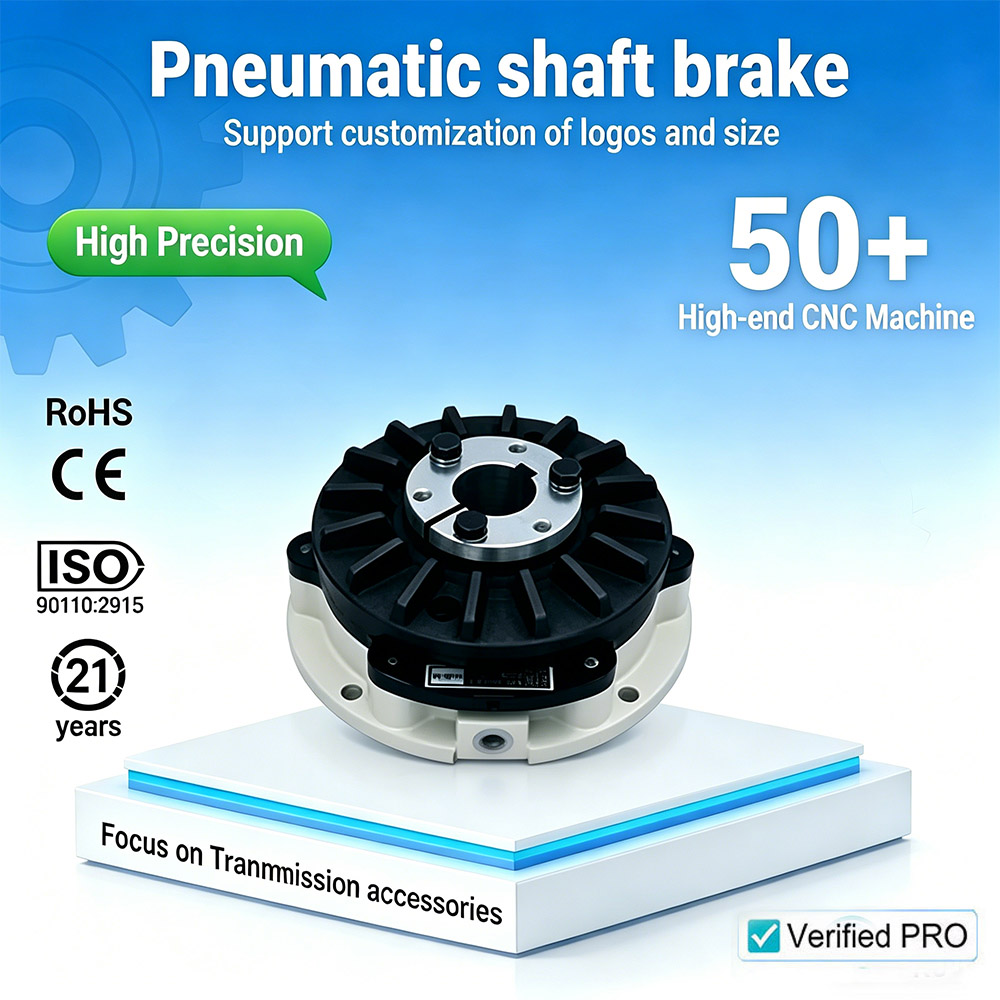
freo de disco accionado neumaticamente
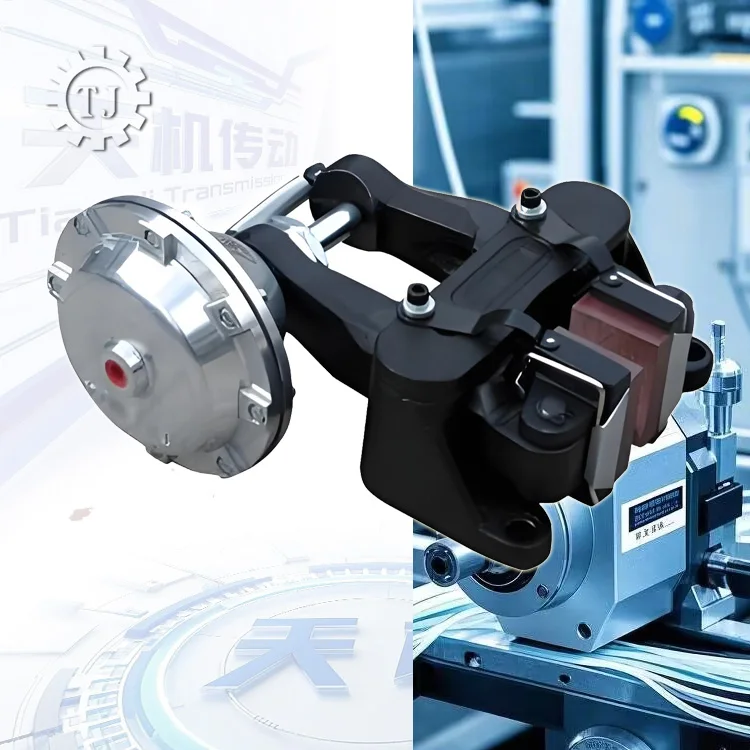
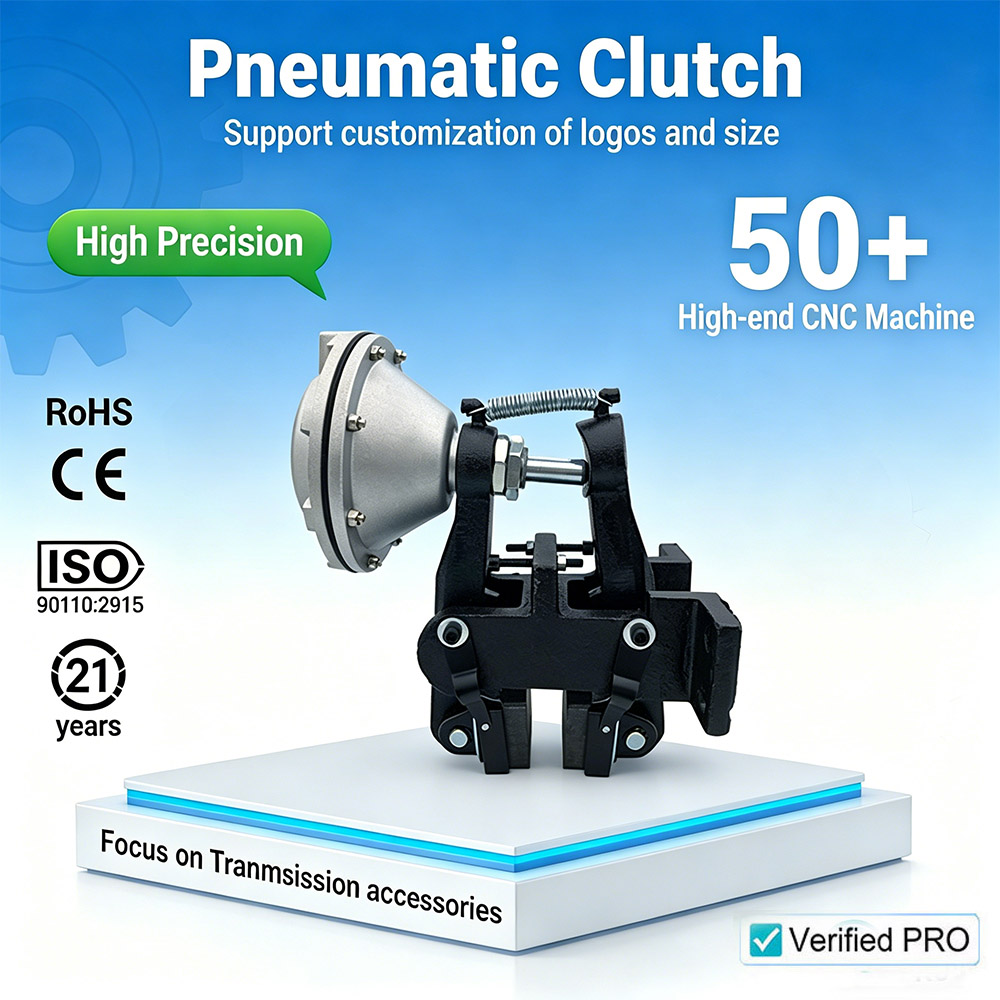
O freo de disco accionado neumaticamente representa unha solución de freo sofisticada que combina a tecnoloxía do aire comprimido coas mecánicas modernas dos freos de disco para ofrecer unha potencia de freada superior en diversas aplicacións industriais e comerciais. Este sistema avanzado de freos utiliza o aire comprimido como fonte principal de enerxía para activar o mecanismo de freo, convertendo a presión neumática en forza mecánica que aperta as pastillas de freo contra un disco rotativo. O funcionamento fundamental implica un compresor de aire que fornece aire a presión mediante liñas específicas aos actuadores neumáticos, os cales, a continuación, acionan o conxunto de freo cun control preciso e unha eficiencia notable. O sistema de freo de disco accionado neumaticamente consta de varios compoñentes críticos, entre eles o rotor de disco, o conxunto de estrangulador (caliper), a cámara do actuador neumático, as pastillas de freo, a rede de abastecemento de aire e as válvulas de regulación de presión. Cando o operario inicia a acción de freada, o aire comprimido flúe cara á cámara do actuador, xerando unha forza que empuxa as pastillas de freo contra ambas as caras do rotor de disco, producindo fricción que converte a enerxía cinética en enerxía térmica, desacelerando ou detendo así o eixe rotativo. Esta tecnoloxía sobresaí en aplicacións que requiren un rendemento de freada fiable e consistente baixo condicións exigentes. O freo de disco accionado neumaticamente ten un uso extensivo en maquinaria pesada, equipos industriais de fabricación, operacións mineiras, aerogeradores, sistemas de manipulación de materiais e vehículos comerciais. A súa arquitectura de deseño permite tempos de resposta rápidos, ocorrendo normalmente a súa activación en milisegundos tras a orde correspondente. O sistema incorpora mecanismos de seguridade por fallo que garanten a aplicación automática do freo en caso de perda de presión de aire, proporcionando unha protección crítica de seguridade. As configuracións modernas de freos de disco accionados neumaticamente presentan deseños modulares que permiten procedementos de mantemento sinxelos e a substitución fácil de compoñentes. As capacidades de xestión térmica permiten que estes freos operen de maneira efectiva nun amplo rango de temperaturas, desde condicións de conxelación ata ambientes de alta temperatura. A construción estanca protexe os compoñentes internos fronte a contaminantes ambientais, incluídos o po, a humidade e as substancias corrosivas, alargando considerablemente a súa vida útil operativa. Os modelos máis avanzados integran sistemas electrónicos de monitorización que rexistran parámetros de rendemento, ofrecendo diagnósticos en tempo real e alertas de mantemento predictivo.

 EN
EN