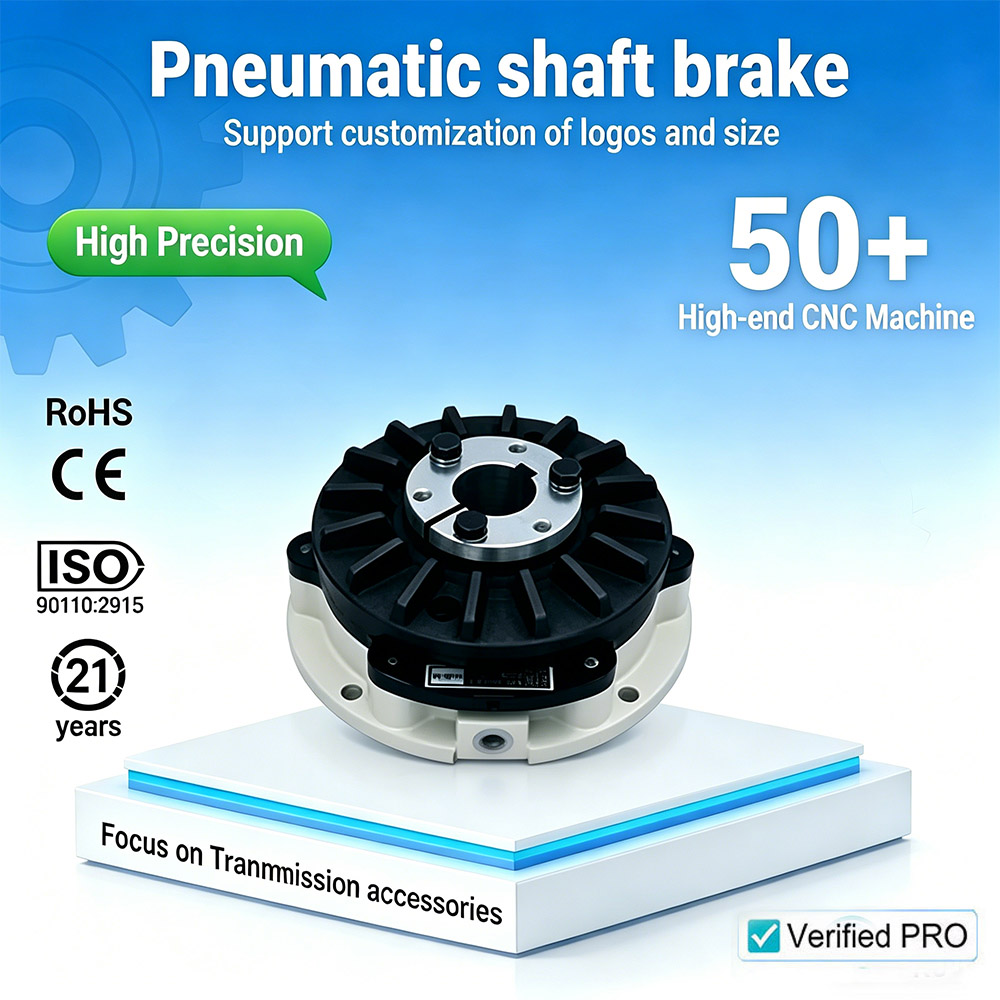
Pneumatic Operated Disc Brake Systems - Industrial Braking Solutions with Superior Safety and Performance

All Categories

pneumatic operated disc brake

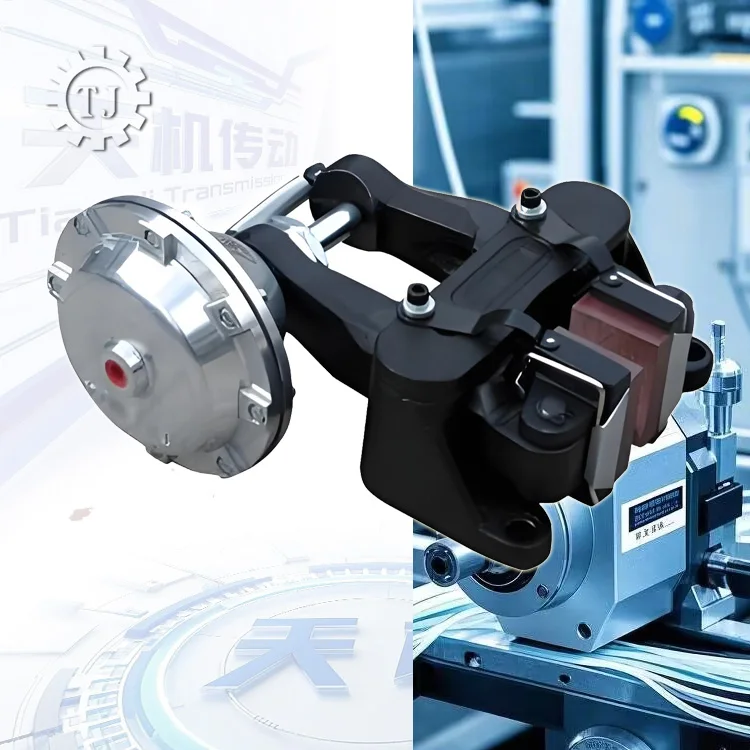
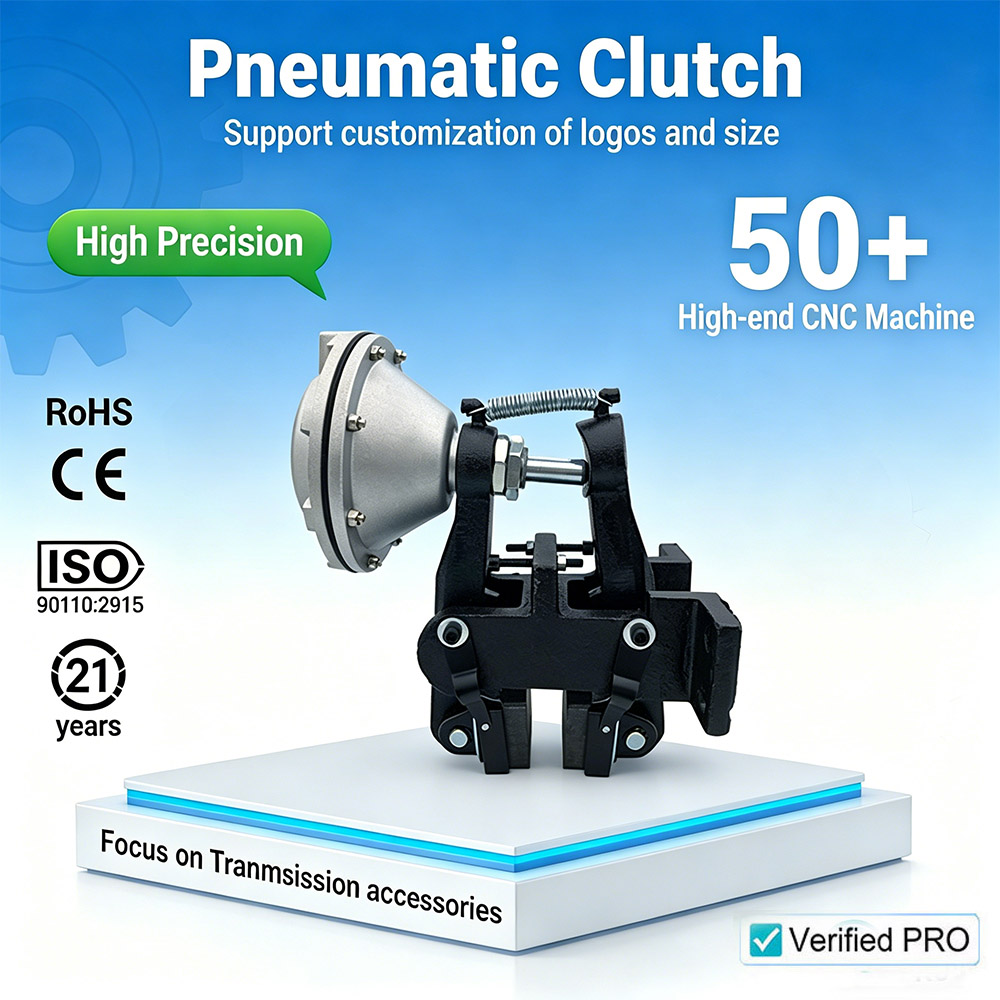
The pneumatic operated disc brake represents a sophisticated braking solution that combines compressed air technology with modern disc brake mechanics to deliver superior stopping power across various industrial and commercial applications. This advanced braking system utilizes compressed air as the primary energy source to activate the brake mechanism, converting pneumatic pressure into mechanical force that clamps brake pads against a rotating disc. The fundamental operation involves an air compressor supplying pressurized air through dedicated lines to pneumatic actuators, which then engage the brake assembly with precise control and remarkable efficiency. The pneumatic operated disc brake system consists of several critical components including the disc rotor, caliper assembly, pneumatic actuator chamber, brake pads, air supply network, and pressure regulation valves. When the operator initiates braking action, compressed air flows into the actuator chamber, creating force that pushes the brake pads against both sides of the disc rotor, generating friction that converts kinetic energy into heat energy, thereby slowing or stopping the rotating shaft. This technology excels in applications requiring reliable, consistent braking performance under demanding conditions. The pneumatic operated disc brake finds extensive use in heavy machinery, industrial manufacturing equipment, mining operations, wind turbines, material handling systems, and commercial vehicles. Its design architecture allows for rapid response times, with typical engagement occurring within milliseconds of activation. The system incorporates fail-safe mechanisms ensuring that brake application occurs automatically during air pressure loss, providing critical safety protection. Modern pneumatic operated disc brake configurations feature modular designs enabling straightforward maintenance procedures and component replacement. Temperature management capabilities allow these brakes to operate effectively across wide temperature ranges, from freezing conditions to high-heat environments. The sealed construction protects internal components from environmental contaminants including dust, moisture, and corrosive substances, extending operational lifespan significantly. Advanced models integrate electronic monitoring systems that track performance parameters, providing real-time diagnostics and predictive maintenance alerts.

Popular Products

The pneumatic operated disc brake delivers numerous practical benefits that directly impact operational efficiency and cost-effectiveness for businesses across multiple sectors. First and foremost, these braking systems provide exceptional stopping force with minimal physical effort required from operators. The compressed air does the heavy lifting, allowing personnel to control massive machinery with simple button presses or lever movements rather than exhausting manual effort. This ergonomic advantage reduces operator fatigue during extended shifts and improves workplace safety by ensuring consistent brake application regardless of individual physical strength. Another significant benefit comes from the remarkable durability these systems exhibit during continuous operation. Unlike hydraulic alternatives that may suffer from fluid degradation or leakage issues, the pneumatic operated disc brake uses clean, readily available compressed air as its working medium. This eliminates concerns about fluid contamination, seal deterioration from chemical exposure, or environmental pollution from leaked hydraulic oil. Maintenance becomes simpler and less frequent, translating to reduced downtime and lower operational costs over the equipment lifecycle. The response speed of these braking systems stands out as a critical advantage in time-sensitive applications. Compressed air travels through lines almost instantaneously, enabling brake engagement within fractions of a second after activation. This rapid response capability proves essential in emergency situations where every millisecond counts in preventing accidents or equipment damage. The precision control afforded by adjustable air pressure settings allows operators to fine-tune braking force according to specific load conditions, ensuring smooth deceleration without jarring stops that could damage cargo or mechanical components. Energy efficiency represents another compelling benefit, as compressed air systems typically already exist in industrial facilities for powering various tools and equipment. Integrating the pneumatic operated disc brake into existing air networks requires minimal additional infrastructure investment. The brakes consume air only during actual braking events rather than maintaining constant pressure, conserving energy during idle periods. Safety features built into these systems provide peace of mind for both operators and facility managers. The fail-safe spring-applied design means that brake engagement occurs automatically when air pressure drops, preventing runaway equipment scenarios. Visual and audible indicators alert personnel to system status, while progressive wear monitoring enables proactive pad replacement before performance degradation occurs. Temperature stability ensures consistent performance whether operating in refrigerated warehouses or scorching outdoor environments. The versatility of these braking systems allows adaptation to diverse applications with minimal customization, reducing procurement complexity and inventory requirements for facilities maintaining multiple equipment types.

Latest News

Transmission Pain Points in Printing/Textile/Chemical Machinery: How Electromagnetic Clutches Improve Equipment Stability?

08

Dec

Transmission Pain Points in Printing/Textile/Chemical Machinery: How Electromagnetic Clutches Improve Equipment Stability?

Struggling with transmission instability in printing, textile, or chemical machinery? TJ-A electromagnetic clutches eliminate slip, boost throughput 15–20%, and ensure asbestos-free safety. Discover how top global manufacturers achieve 99.8% reliability—request a spec sheet today.
View More
High-Quality Web Guide Control Systems From a Leading Domestic Manufacturer With 20 Years of Expertise

08

Dec

High-Quality Web Guide Control Systems From a Leading Domestic Manufacturer With 20 Years of Expertise

Discover high-precision web guide control systems from a trusted domestic manufacturer with 20 years of R&D expertise. Reduce waste, boost efficiency, and ensure reliability. Request a quote today.
View More
The Pain of Non-Standard Transmission in Special Working Conditions

09

Apr

The Pain of Non-Standard Transmission in Special Working Conditions

Struggling with standard transmission failures in extreme temps, dust, or tight spaces? TianJi’s 20-year R&D delivers reliable custom clutches & brakes—engineered for your exact specs. Get a free technical consultation today.
View More

Get Your Custom Quote

Tell us your requirements and get a tailored solution for your project.
Name
Mobile
Email
Please include
Message
0/1000

pneumatic operated disc brake

Superior Safety Through Fail-Safe Spring-Applied Technology

Superior Safety Through Fail-Safe Spring-Applied Technology

The pneumatic operated disc brake incorporates advanced fail-safe engineering that fundamentally transforms equipment safety standards across industrial environments. At the heart of this protective capability lies the spring-applied, air-released mechanism that reverses traditional brake logic to create an inherently safe system. Unlike conventional brakes that require continuous power input to maintain engagement, the pneumatic operated disc brake utilizes powerful compression springs that naturally apply braking force. These precisely calibrated springs remain in constant compression when the system stands idle, ready to instantly clamp the brake pads against the disc rotor. Compressed air acts as the releasing agent rather than the applying force, pushing against spring tension to disengage the brake during normal operation. This fundamental design philosophy ensures that any disruption to air supply whether from compressor failure, line rupture, power outage, or intentional emergency shutdown immediately results in full brake application. The safety implications prove particularly critical in applications involving elevated loads, inclined conveyors, vertical hoisting equipment, or machinery operating near personnel. Should catastrophic system failure occur, gravity and momentum cannot create dangerous runaway conditions because the springs automatically arrest motion within milliseconds. The spring force calculations account for maximum load scenarios with substantial safety margins, guaranteeing complete holding capacity even under worst-case conditions. Modern pneumatic operated disc brake systems enhance this fundamental safety architecture with redundant pressure monitoring, dual air supply circuits, and graduated warning systems that alert operators to declining pressure long before critical thresholds are reached. Maintenance personnel benefit from clear visual indicators showing brake status at a glance, eliminating guesswork during equipment servicing. The fail-safe design also simplifies lockout-tagout procedures during maintenance activities, as simply isolating air supply ensures the brake remains fully engaged throughout service work. This spring-applied configuration delivers exceptional holding power during static conditions, preventing load creep or drift that might occur with other brake technologies. The mechanical advantage provided by spring systems generates substantially higher clamping forces than equivalent pneumatic pressure could achieve in direct application designs, resulting in more compact brake assemblies with superior performance characteristics.
Minimal Maintenance Requirements and Extended Service Life

Minimal Maintenance Requirements and Extended Service Life

The pneumatic operated disc brake distinguishes itself through remarkably low maintenance demands and exceptional longevity that significantly reduce total cost of ownership compared to alternative braking technologies. This operational economy stems from the fundamental simplicity of using compressed air as the operating medium combined with robust mechanical engineering that minimizes wear-prone components. Unlike hydraulic brake systems that require regular fluid changes, seal inspections, and contamination monitoring, the pneumatic operated disc brake operates with clean, dry compressed air that introduces no degradable fluids into the system. Air compressors equipped with proper filtration and moisture separation deliver consistent, contaminant-free air that preserves internal component integrity indefinitely. The absence of hydraulic fluid eliminates seal swelling, chemical degradation, temperature-related viscosity changes, and environmental contamination risks that plague fluid-based systems. Brake pad wear occurs gradually and predictably, with modern friction materials engineered to deliver tens of thousands of braking cycles before replacement becomes necessary. Many pneumatic operated disc brake designs incorporate wear indicators that provide visual confirmation of remaining pad thickness, enabling condition-based replacement scheduling rather than arbitrary time-based servicing. The disc rotors themselves feature hardened surfaces resistant to scoring and thermal distortion, often lasting through multiple pad replacement cycles before refinishing or replacement becomes necessary. Sealed bearing assemblies protect rotating components from external contamination while retaining lubrication throughout extended service intervals. The pneumatic actuator chambers utilize durable elastomeric diaphragms or high-quality seals engineered for millions of cycles without degradation. Quality manufacturers specify components rated for extreme temperature fluctuations, chemical exposure, and physical stress far exceeding typical operating conditions. When maintenance does become necessary, the modular design philosophy employed in modern pneumatic operated disc brake construction enables rapid component replacement without specialized tools or extensive disassembly. Brake pads typically slide into position with simple retaining clips or bolts, allowing replacement in minutes rather than hours. Actuator assemblies unbolt as complete units, enabling quick exchange of failed components with minimal downtime. This serviceability advantage proves particularly valuable in continuous-operation facilities where extended maintenance shutdowns directly impact production output and revenue generation. The extended intervals between required maintenance activities translate to reduced labor costs, lower spare parts inventory requirements, and improved equipment availability ratios that enhance overall operational efficiency.
Versatile Application Across Diverse Operating Environments

Versatile Application Across Diverse Operating Environments

The pneumatic operated disc brake demonstrates remarkable adaptability to varied operating conditions and application requirements, making it the preferred braking solution across an exceptionally broad spectrum of industries and equipment types. This versatility originates from fundamental design characteristics that accommodate extreme environmental conditions while delivering consistent, reliable performance regardless of ambient temperature, atmospheric conditions, or contamination exposure. The sealed construction employed in quality pneumatic operated disc brake assemblies protects critical components from moisture ingress, dust infiltration, and corrosive chemical exposure. Stainless steel or specially coated components resist rust and degradation even in marine environments, chemical processing facilities, or outdoor installations subjected to continuous weather exposure. Temperature tolerance spans from arctic cold storage facilities operating at minus forty degrees to foundries and steel mills where ambient temperatures exceed one hundred degrees, with brake performance remaining stable throughout this extreme range. The pneumatic operated disc brake adapts seamlessly to applications requiring variable braking torque through simple air pressure adjustment. Precision pressure regulators enable operators to dial in exact braking force appropriate for current load conditions, preventing excessive wear during light-load operation while ensuring adequate stopping power when handling maximum capacity. This adjustability proves invaluable in material handling systems processing diverse product weights, manufacturing lines running different production batches, or mobile equipment operating across varied terrain conditions. Mounting flexibility allows integration into confined spaces or unusual geometric configurations where alternative brake technologies cannot physically fit. Compact actuator designs and through-shaft mounting options enable installation on existing equipment with minimal modification. The pneumatic operated disc brake scales effectively from small precision machinery requiring delicate speed control to massive mining equipment and industrial presses generating thousands of horsepower. Standardized air pressure ratings simplify integration with existing facility compressed air systems operating at typical industrial pressures between eighty and one hundred twenty PSI. Response characteristics suit both emergency stopping applications requiring instantaneous full brake engagement and controlled deceleration scenarios demanding gradual, smooth speed reduction. Programmable air pressure modulation enables sophisticated braking profiles synchronized with automation systems and production sequences. The pneumatic operated disc brake performs equally well in static holding applications preventing load drift during positioning operations and dynamic braking scenarios managing continuous speed regulation during material processing.
email goToTop