
 EN
EN
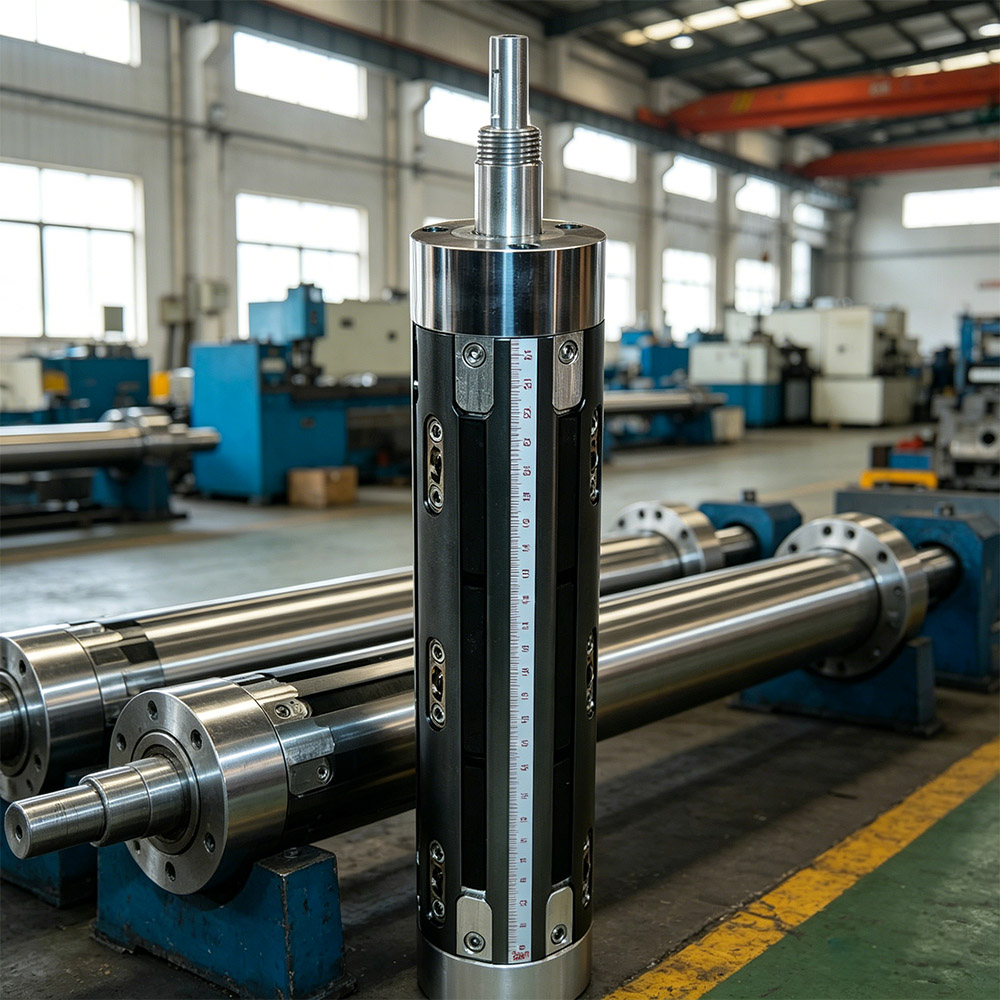
An air shaft represents a critical innovation in mechanical engineering designed to deliver vibration-free operation across demanding industrial applications. Unlike traditional mechanical shafts, an air shaft uses pneumatic pressure to expand and center components with exceptional precision, eliminating the friction and imbalance that typically cause vibration, noise, and premature wear. For manufacturers operating high-speed textile machinery, printing equipment, converting systems, and similar precision applications, investing in a quality air shaft directly translates to improved product quality, reduced downtime, and extended equipment life. Understanding how an air shaft functions and why it matters is essential for any facility seeking to optimize operational efficiency and maintain competitive advantage in today's precision-driven industrial landscape.
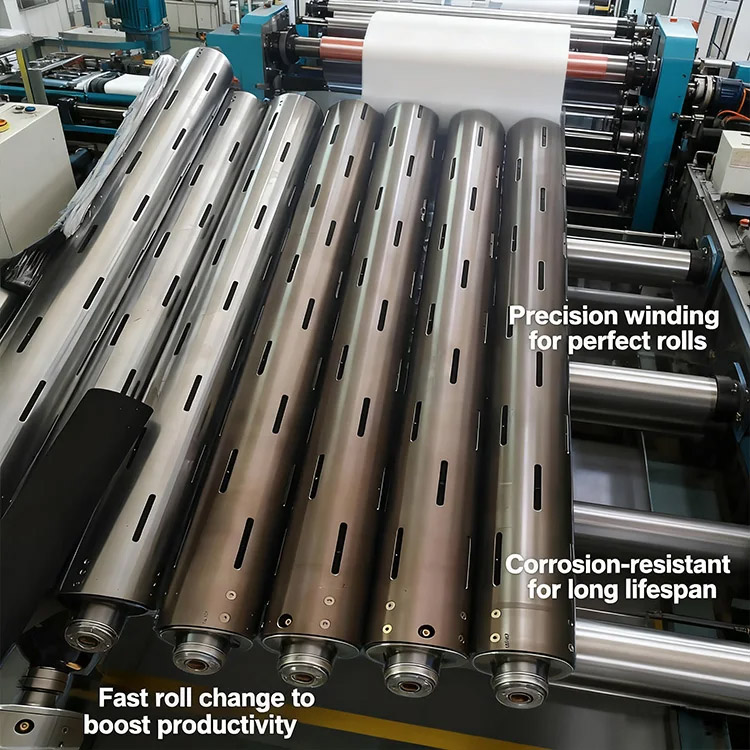
The engineering behind an air shaft combines pneumatic principles with mechanical design to achieve what traditional fixed shafts cannot. When properly balanced and calibrated, an air shaft maintains consistent centering force, distributes load evenly across supported rollers or components, and adapts automatically to minor variations in workpiece diameter or material properties. This adaptive capability makes an air shaft particularly valuable in environments where material specifications change frequently or where tolerance requirements exceed what mechanical fastening alone can deliver. For facility managers and process engineers, selecting the right air shaft involves understanding application-specific demands, calculating appropriate air pressure requirements, and ensuring compatibility with existing equipment architecture.
Core Operating Principles of an Air Shaft
Pneumatic Expansion and Precision Centering
At its core, an air shaft operates by introducing compressed air into pneumatic chambers distributed along the shaft's length. This air pressure gradually expands elastomeric sleeves or segments that grip and center the mounted components with hydraulic-like consistency. The beauty of this design lies in its ability to generate uniform clamping force across the entire shaft length without mechanical eccentricity or runout that mechanical keys and wedges inherently introduce. When you specify an air shaft for your production line, you're essentially replacing rigid, fixed-position fastening with adaptive, pressure-regulated clamping that maintains perfect alignment regardless of minor installation imperfections or component wear.
Vibration Elimination Through Dynamic Balancing
Vibration originates from imbalance, misalignment, and uneven load distribution—precisely the problems an air shaft addresses. By centering components concentrically on the shaft's rotational axis and maintaining consistent pressure, an air shaft naturally reduces the dynamic imbalance that causes vibration during high-speed rotation. This vibration reduction directly improves product consistency in applications like textile manufacturing, label printing, and film processing, where even minor vibration translates to visible defects, registration errors, or quality loss. Engineers consistently report that upgrading to a properly selected air shaft reduces vibration amplitudes by fifty to seventy percent, depending on rotational speed and application specifics.
Industrial Applications Where Air Shaft Technology Excels
Textile and Convert Manufacturing
The textile and converting industries represent the primary markets for air shaft innovation, where precision, speed, and consistency determine product viability. In these environments, an air shaft supports wound rolls of material—fabric, paper, film, or laminate—and must maintain perfect centering at speeds exceeding five hundred rpm without introducing wobble, flutter, or lateral movement. The pneumatic principle underlying an air shaft makes it ideal for these applications because compressed air is typically already available in textile facilities, eliminating the need for additional infrastructure investment. Converters applying adhesive, coating, or cutting operations benefit enormously because an air shaft maintains the substrate position within tolerances measured in tenths of millimeters, enabling precise application or processing without defects.
Printing, Coating, and Lamination Systems
In printing and coating applications, substrate registration and web tracking accuracy determine print quality and material yield. An air shaft excels in these contexts by maintaining the web substrate perfectly centered under applicator heads, print stations, and finishing equipment. The adaptive centering provided by an air shaft means that even as material tension fluctuates or ambient humidity causes minor dimensional changes in substrate materials, the shaft automatically maintains optimal positioning. This automatic compensation eliminates registration marks, prevents adhesive squeeze-out from misalignment, and reduces waste caused by out-of-tolerance printing or coating. When selecting an air shaft for coating operations, ensure the model offers adequate surface area for uniform pressure distribution and features compatible with the specific roller or mandrel diameter your process requires.
Selection, Installation, and Performance Optimization
Sizing and Pressure Specification for Your Air Shaft
Correctly sizing an air shaft requires calculating the clamping force needed to support your specific workload without exceeding safe pressure limits or causing component damage. Air shaft selection begins with determining the required holding force, which depends on roll weight, rotational speed, and horizontal load applied during processing. Most manufacturers provide selection charts or engineering support to help you match an air shaft's pneumatic chamber design and elastomer durometer rating to your exact requirements. Installation of an air shaft demands attention to compressed air quality—specifically, air must be filtered to remove particulates that could damage internal seals and regulate pressure to within specified tolerances, typically within five to ten percent of rated operating pressure. Improper pressure specification represents the most common cause of air shaft underperformance, resulting in slipping, inadequate centering, or accelerated seal wear.
Maintenance Protocols and Long-Term Reliability
An air shaft's longevity depends fundamentally on proper maintenance discipline and environmental protection. The internal elastomeric components, seals, and pneumatic passages require protection from contaminated air, excessive heat, and moisture that would degrade material properties and compromise performance. Establish a preventive maintenance schedule that includes regular air filter replacement, pressure regulator calibration, and visual inspection of external components for damage or wear. Because an air shaft typically operates continuously in production environments, many facilities implement predictive maintenance monitoring that tracks pressure stability, component creep, and thermal indicators to predict seal degradation before failure occurs. When properly maintained, a quality air shaft delivers operational life exceeding five to ten years, depending on duty cycle and application severity.
FAQ
What is the maximum rotational speed an air shaft can safely achieve?
Maximum rotational speed for an air shaft depends primarily on the shaft diameter, elastomer material specification, and bearing support design. Most industrial-grade air shaft products operate safely at rotational speeds up to fifteen hundred to two thousand rpm, though specialized high-speed designs can exceed three thousand rpm. The limiting factor is typically centrifugal force on elastomeric components and friction heat generation at elevated speeds. Always consult manufacturer specifications and verify that your application's rotational speed falls within the rated envelope for your selected air shaft model. Exceeding design speed limits risks seal failure, elastomer degradation, and potential safety hazards from uncontrolled shaft rotation.
How does an air shaft compare to traditional mechanical fastening methods?
An air shaft offers several distinct advantages over traditional keys, wedges, and shrink-fit methods: superior concentricity, adaptive load distribution, quick changeover capability, and elimination of mechanical stress points. Traditional methods introduce runout and geometric imperfection inherent to their rigid designs, whereas an air shaft maintains dynamic centering regardless of minor installation inconsistencies. For facilities requiring frequent roll changes or where product specifications vary, the convenience and precision of an air shaft justify the investment in pneumatic infrastructure and regulatory compliance training.
What happens if the compressed air supply fails while an air shaft is in operation?
If compressed air supply fails during operation, an air shaft loses its centering force and pneumatic grip, potentially causing the supported component to slip or shift laterally. Most modern air shaft designs incorporate mechanical safety locks or backup retention features that engage automatically if pneumatic pressure drops below critical thresholds, preventing catastrophic component ejection. However, unexpected pressure loss disrupts production and necessitates immediate investigation to restore air supply integrity. Facility operators should implement redundant air compressor systems, backup surge tanks, and pressure monitoring alarms to minimize risk of production interruption due to pneumatic system failure.

