Professional Tension Controller Systems - Precision Material Handling Solutions

All Categories

tension controller

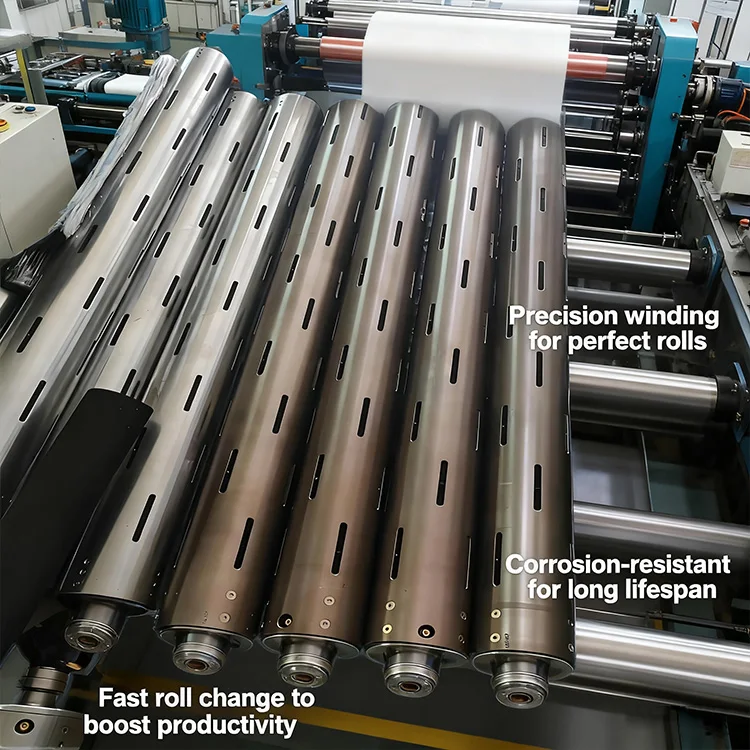
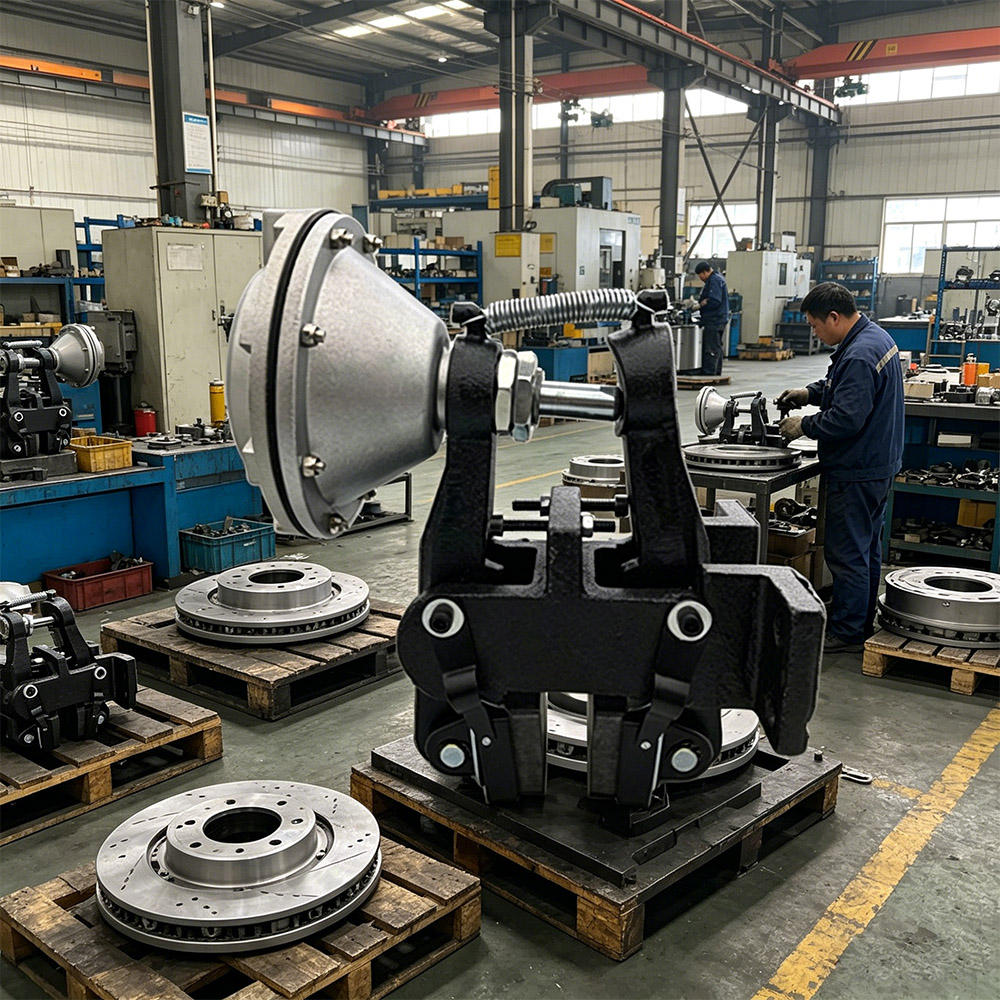
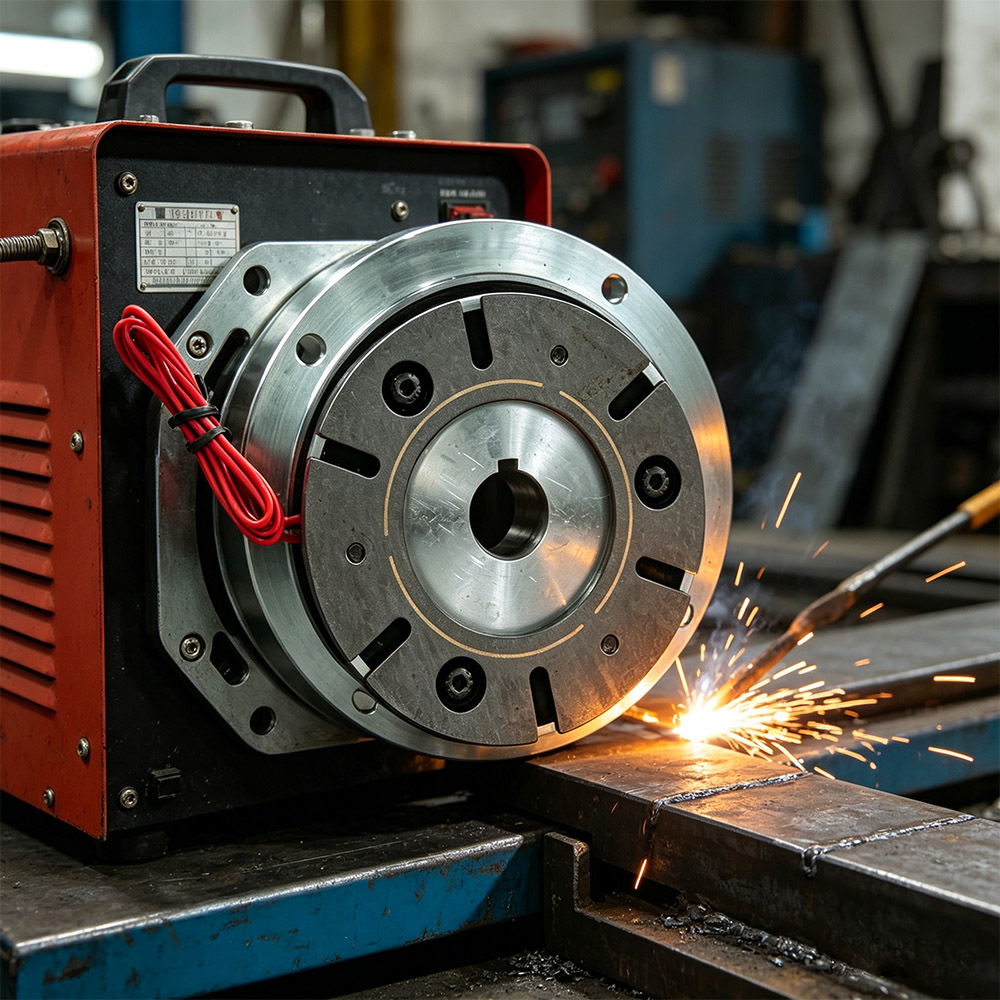
A tension controller represents an essential piece of equipment designed to maintain consistent and precise material tension throughout various industrial processing operations. This sophisticated device monitors and regulates the tension applied to materials such as paper, film, fabric, wire, and foil during unwinding, processing, and rewinding stages. The primary function of a tension controller involves continuously measuring the actual tension present in the material and making real-time adjustments to maintain the desired setpoint, ensuring optimal production quality and efficiency. Modern tension controllers utilize advanced sensor technology, typically incorporating load cells or dancer rollers, to detect minute variations in material tension and respond instantaneously with corrective actions. The technological features of contemporary tension controllers include digital displays for easy monitoring, programmable logic for customized operation profiles, automatic tension compensation algorithms, and integration capabilities with broader production control systems. These devices operate through closed-loop feedback mechanisms where sensors continuously transmit tension data to the controller's processing unit, which then calculates the necessary adjustments and sends commands to actuators such as brakes or clutches. Applications for tension controllers span numerous industries including printing and packaging, where maintaining uniform tension prevents defects like wrinkles, tears, or misalignment; textile manufacturing, where consistent tension ensures fabric quality and dimensional stability; wire and cable production, where precise tension control is critical for proper insulation application and conductor integrity; and converting operations, where materials undergo slitting, laminating, or coating processes. The versatility of tension controller systems allows them to handle materials with vastly different characteristics, from delicate films requiring gentle handling to heavy-duty materials demanding robust tension management. Advanced tension controllers feature multiple control modes such as manual, automatic, and taper tension control, which gradually adjusts tension as roll diameter changes during winding or unwinding. The implementation of a tension controller significantly reduces material waste, improves product consistency, extends equipment lifespan by preventing mechanical stress, and enhances overall production efficiency by minimizing downtime caused by tension-related defects or material breaks.

New Products

Implementing a tension controller in your production line delivers remarkable benefits that directly impact your bottom line and operational excellence. First and foremost, these systems dramatically improve product quality by eliminating common defects caused by inconsistent tension, such as wrinkles, stretching, telescoping, or material breakage. When your materials maintain perfect tension throughout processing, you achieve superior finished products that meet strict quality standards and satisfy customer expectations. This consistency translates into fewer rejected batches, reduced rework requirements, and enhanced reputation in your market. The precision offered by modern tension controllers allows you to work with delicate materials that would otherwise be challenging to process, opening new opportunities for product diversification and premium offerings. Another significant advantage involves substantial waste reduction, as maintaining optimal tension prevents material damage and the need to discard defective products. This efficient use of raw materials directly reduces your material costs, which often represent a major portion of production expenses. The controller's ability to adapt automatically to changing conditions means your operators spend less time making manual adjustments and more time focusing on other value-added activities. Production speed increases become achievable because consistent tension allows you to run equipment at higher speeds without risking quality issues or material breaks that would halt operations. The reliability factor cannot be overstated, as tension controllers minimize unexpected downtime by preventing tension-related problems before they escalate into serious issues requiring emergency stops and repairs. Your maintenance costs decrease because equipment experiences less mechanical stress and wear when tension remains within optimal parameters, extending the service life of expensive machinery components such as rollers, bearings, and drive systems. Energy efficiency improves as well, since the controller optimizes motor operation and prevents energy waste associated with excessive tension or compensating for tension fluctuations. The data collection capabilities of digital tension controllers provide valuable insights into your production processes, enabling you to identify trends, optimize settings, and make informed decisions about process improvements. Training new operators becomes easier because automated tension control systems handle the complex calculations and adjustments that would otherwise require significant experience and skill to perform manually. The flexibility to program different tension profiles for various materials and products means you can switch between production runs quickly without lengthy setup times or trial-and-error adjustments. Return on investment typically occurs rapidly as the combined benefits of reduced waste, improved quality, increased productivity, and lower maintenance costs offset the initial equipment expenditure within months of implementation.

Latest News

Transmission Pain Points in Printing/Textile/Chemical Machinery: How Electromagnetic Clutches Improve Equipment Stability?

08

Dec

Transmission Pain Points in Printing/Textile/Chemical Machinery: How Electromagnetic Clutches Improve Equipment Stability?

Struggling with transmission instability in printing, textile, or chemical machinery? TJ-A electromagnetic clutches eliminate slip, boost throughput 15–20%, and ensure asbestos-free safety. Discover how top global manufacturers achieve 99.8% reliability—request a spec sheet today.
View More
High-Quality Web Guide Control Systems From a Leading Domestic Manufacturer With 20 Years of Expertise

08

Dec

High-Quality Web Guide Control Systems From a Leading Domestic Manufacturer With 20 Years of Expertise

Discover high-precision web guide control systems from a trusted domestic manufacturer with 20 years of R&D expertise. Reduce waste, boost efficiency, and ensure reliability. Request a quote today.
View More
The Pain of Non-Standard Transmission in Special Working Conditions

09

Apr

The Pain of Non-Standard Transmission in Special Working Conditions

Struggling with standard transmission failures in extreme temps, dust, or tight spaces? TianJi’s 20-year R&D delivers reliable custom clutches & brakes—engineered for your exact specs. Get a free technical consultation today.
View More

Get Your Custom Quote

Tell us your requirements and get a tailored solution for your project.
Name
Mobile
Email
Please include
Message
0/1000

tension controller

Precision Control Technology for Unmatched Material Handling

Precision Control Technology for Unmatched Material Handling

The advanced precision control technology embedded within modern tension controller systems represents a revolutionary approach to material handling that transforms how manufacturers manage their production processes. At the heart of this technology lies sophisticated sensor integration that monitors tension levels with extraordinary accuracy, detecting variations as small as fractions of a percent and responding within milliseconds to maintain perfect stability. This rapid response capability stems from high-speed processing units that analyze sensor data continuously, running complex algorithms that predict and compensate for tension changes before they become visible in the material behavior. The precision control mechanism operates through multiple layers of refinement, starting with primary sensors that measure actual tension forces, progressing through signal conditioning circuits that filter noise and enhance accuracy, and culminating in intelligent control logic that determines optimal corrective actions. Unlike conventional systems that react only after tension problems become apparent, modern tension controllers employ predictive algorithms that anticipate changes based on factors such as material properties, roll diameter variations, and processing speed fluctuations. This proactive approach ensures seamless transitions during acceleration, deceleration, and steady-state operation, maintaining tension stability regardless of operating conditions. The technology accommodates an impressive range of materials, from gossamer-thin films measuring mere microns in thickness to robust industrial fabrics and metal foils, automatically adjusting sensitivity and response characteristics to match each material's unique properties. Precision extends beyond simple tension maintenance to include sophisticated features such as taper tension control, which intelligently modifies tension levels as roll diameter changes during winding or unwinding operations, preventing the core crushing or edge damage that occurs when tension remains constant throughout the roll building process. The controller's ability to store multiple tension profiles means manufacturers can instantly recall optimal settings for different products, eliminating setup time and ensuring consistent results across production runs. Integration with production management systems enables real-time monitoring and adjustment from central control rooms, providing operators with comprehensive visibility into tension performance across multiple processing stations simultaneously. This precision technology directly translates into tangible benefits including zero-defect production runs, maximized material yield, extended equipment life, and the capability to process materials that competitors cannot handle reliably.
Intelligent Automation That Simplifies Complex Operations

Intelligent Automation That Simplifies Complex Operations

The intelligent automation capabilities built into contemporary tension controller systems fundamentally change how production facilities operate by removing complexity from operators while simultaneously enhancing performance beyond what manual control could ever achieve. This automation begins with self-learning algorithms that observe material behavior during initial runs and automatically optimize control parameters to match specific characteristics, eliminating the traditional trial-and-error approach that wastes material and production time. The system continuously refines its performance through adaptive learning, adjusting to gradual changes in material properties, environmental conditions, or equipment wear patterns without requiring human intervention or reprogramming. Operators benefit from intuitive interfaces that present complex information through clear visual displays, showing current tension levels, setpoints, operating modes, and diagnostic information in easily understandable formats that require minimal training to interpret. Automated mode selection features analyze production requirements and material specifications to recommend optimal control strategies, guiding operators toward best practices while still allowing manual override when specialized situations demand human judgment. The automation extends to fault detection and prevention, where the tension controller constantly monitors system health, identifying potential problems such as sensor drift, mechanical wear, or abnormal operating conditions before they cause production disruptions. Predictive maintenance alerts notify maintenance teams when components approach service intervals or exhibit performance degradation, enabling scheduled maintenance during planned downtime rather than emergency repairs during production runs. Self-diagnostic capabilities simplify troubleshooting by pinpointing specific issues and suggesting corrective actions, reducing the expertise required to maintain system performance and minimizing mean time to repair when problems occur. Integration automation allows the tension controller to communicate seamlessly with upstream and downstream equipment, coordinating operations to maintain optimal tension even as processing speeds vary or material characteristics change between production stages. Recipe management systems store complete control configurations for different products, enabling one-touch changeovers that automatically adjust all parameters simultaneously, ensuring consistency and eliminating setup errors. The automation intelligence includes safety features that protect both materials and equipment, automatically reducing tension or stopping operations when dangerous conditions develop, preventing catastrophic failures that could damage expensive machinery or create safety hazards. This comprehensive automation approach delivers multiple advantages including reduced labor requirements, consistent quality regardless of operator skill levels, faster production changeovers, minimized training costs, and the ability to operate lights-out production during unmanned shifts with confidence in system reliability.
Versatile Application Flexibility Across Diverse Industries

Versatile Application Flexibility Across Diverse Industries

The remarkable versatility and application flexibility of modern tension controller systems make them indispensable across an extraordinarily diverse range of industries and processes, each with unique requirements and challenges that these adaptable devices address with precision and reliability. In printing and packaging operations, tension controllers ensure perfect registration between colors and layers by maintaining consistent web tension throughout multi-station presses, preventing the misalignment that creates costly waste and customer rejections while enabling high-speed operation that maximizes productivity. The flexible film industry relies on tension controllers to handle delicate materials during extrusion, orientation, coating, and converting processes, where even slight tension variations cause gauge bands, wrinkles, or optical defects that render products unusable for demanding applications such as food packaging or electronic component protection. Textile manufacturers utilize tension controllers throughout their production chains, from fiber processing through weaving, knitting, dyeing, and finishing operations, where consistent tension ensures dimensional stability, uniform appearance, and mechanical properties that meet stringent quality specifications for apparel, technical fabrics, and home furnishings. Wire and cable production facilities depend on tension controllers to apply precise tension during conductor drawing, insulation extrusion, and cable assembly operations, where incorrect tension creates diameter variations, insulation defects, or mechanical weaknesses that compromise electrical performance and safety compliance. The paper industry employs tension controllers in coating, calendering, and converting operations, where maintaining optimal tension prevents breaks, wrinkles, and caliper variations that affect printability and end-use performance. Metal foil processing operations utilize tension controllers to handle materials ranging from delicate aluminum foil for food packaging to robust copper and steel foils for electronic and industrial applications, where tension control prevents stretching, work hardening, or surface damage. Label and tape manufacturers rely on tension controllers during coating, laminating, and die-cutting operations, where precision tension ensures accurate placement of adhesives, uniform bond strength, and clean cutting without material distortion. The nonwovens industry uses tension controllers in production processes that bond fibers through mechanical, thermal, or chemical means, where consistent tension ensures uniform basis weight, strength properties, and appearance characteristics. Medical device manufacturers employ tension controllers when producing wound dressings, surgical drapes, and diagnostic test strips, where stringent quality requirements demand perfect tension control to ensure product reliability and regulatory compliance. Battery electrode production facilities utilize tension controllers during coating and calendering operations, where precise tension control affects electrode uniformity, which directly impacts battery capacity, charge rates, and cycle life. This versatility extends to emerging applications in advanced materials processing, including carbon fiber production, where tension control influences fiber strength and modulus, and flexible electronics manufacturing, where submicron precision enables production of bendable displays and wearable devices that represent the future of consumer electronics.
email goToTop